
Atropia: A Sharp Satire on War, Role-Playing, and the Hollywood Hustle
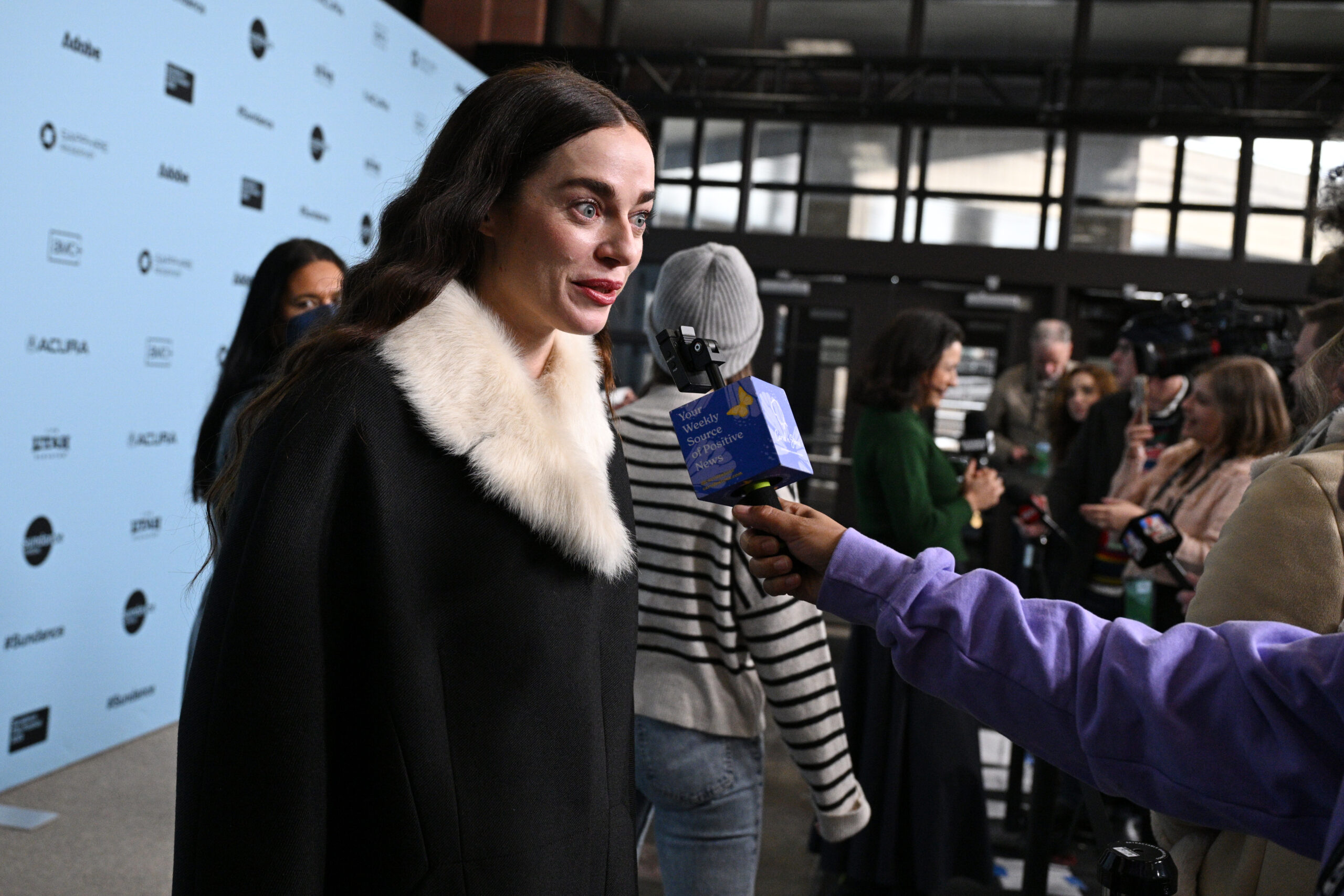
The Sundance Film Festival buzzed with excitement for Atropia, the debut feature from writer-director Hailey Gates. The film, starring Alia Shawkat and Callum Turner, isn’t easily categorized. It’s a war drama, a dark comedy, a romance, and a biting satire all rolled into one, exploring the unsettling reality of U.S. military role-playing facilities and the dreams of aspiring actors. The premiere at Eccles Theater wasn’t just a screening; it was a celebration of a collaborative spirit, a testament to a unique vision, and a poignant commentary on the complexities of war and performance.
From Documentary Roots to Satirical Feature
Gates’ journey to Atropia began with a interest – and a growing unease – surrounding the military’s use of elaborate, real-world simulations to train soldiers. Initially intending to create a documentary, she became captivated by the facilities where actors are employed to portray Iraqi villagers, insurgents, and other roles in immersive war-game scenarios. “This world was so disturbing, it was ripe for satire,” gates explained after the screening. IndieWire’s review highlights the film’s successful navigation of this delicate balance between humor and critique.
These facilities, often located near major entertainment hubs like Los Angeles, offer a strange juxtaposition: the simulation of war happening alongside the pursuit of Hollywood dreams. The film cleverly exploits this contrast, blurring the lines between reality and performance, and questioning the ethics of preparing soldiers for combat through simulated human interaction.The U.S. military utilizes these simulations to enhance cultural awareness and decision-making skills in realistic, high-pressure environments. The Department of Defense actively invests in and expands these immersive training technologies.
A Romance that Elevates the Stakes
While the initial concept centered on the unsettling nature of the training facilities, the film’s trajectory shifted with a request from lead actress Alia Shawkat. Shawkat, known for her roles in Search Party and Transparent, expressed a desire to explore a romantic storyline. “I said I’d never been in a romance,” Shawkat recalled. “The world doesn’t like to see me in that way for some reason, but I’d like to try.”
Gates responded by crafting a complex and endearing romance between Shawkat’s character and a fellow actor (Callum Turner).This relationship isn’t simply a subplot; it becomes a crucial element of the narrative,raising the stakes and adding emotional depth to the film’s satirical core. The romance serves as a microcosm of the larger themes,exploring the human cost of conflict and the search for connection in a manufactured reality. It also challenges conventional tropes,presenting a nuanced portrayal of desire and vulnerability.
Beyond the Leads: A Celebration of Ensemble Work
Gates’ commitment to her collaborators extends beyond the leading actors. She intentionally wrote memorable roles for the supporting cast, recognizing the importance of every individual contribution to the film’s overall impact. This approach reflects her own experiences as a working actor, often taking on smaller roles in other productions. “I often play small parts in movies,” Gates admitted.“So I wanted to make those roles memorable too.”
This dedication to ensemble work is evident in the film’s vibrant and believable portrayal of the “village” within the training facility. Each character, though minor, feels fully realized, contributing to the film’s immersive and unsettling atmosphere. the premiere’s emotional climax, where Gates asked the entire cast and crew to stand and receive the audience’s applause, underscored this collaborative spirit and the shared accomplishment of bringing her “harebrained idea” to life.
Echoes of Cinematic History: M*A*S*H and To Be or Not to Be
Atropia doesn’t exist in a vacuum. Gates acknowledges the influence of classic dark comedies like Robert Altman’s M*A*S*H (1970) and ernst Lubitsch’s To Be or Not to Be (1942). These films, both set against the backdrop of war, utilize humor and satire to expose the absurdity and tragedy of conflict.
M*A*S*H, set during the Korean War, employed black humor to critique the military-industrial complex and the dehumanizing effects of war. To Be or Not to Be, a daring comedy set in nazi-occupied Poland, used disguise and deception to satirize both the oppressors and the oppressed. Atropia similarly employs satire to question the ethics of war simulations and the blurring lines between reality and performance, while also offering a poignant commentary on the human desire for connection and meaning.
Key Takeaways
- The Power of Satire: atropia demonstrates the effectiveness of satire as a tool for social commentary, prompting viewers to question the complexities of war and the military-industrial complex.
- The Blurring of Reality: The film explores the unsettling intersection of simulated warfare and the pursuit of Hollywood dreams, raising questions about authenticity and performance.
- Collaborative Filmmaking: Hailey Gates’ emphasis on ensemble work and her dedication to her collaborators are central to the film’s success and emotional resonance.
- Challenging Expectations: Alia Shawkat’s desire to explore a romantic role adds depth and complexity to the narrative, challenging conventional expectations.
Atropia is more than just a film; it’s a conversation starter. It’s a thought-provoking and emotionally resonant work that lingers long after the credits roll, prompting viewers to consider the human cost of conflict and the power of performance. As Gates’ career blossoms, Atropia stands as a bold and promising debut, signaling the arrival of a unique and vital voice in independent cinema.
