At Least 15 Dead, Dozens Missing After Overloaded Ferry Capsizes on Lake Kariba in Zimbabwe
At least 15 people died and 27 others remained missing after an overloaded ferry capsized on Zimbabwe’s Lake Kariba, according to the national disaster management agency. The disaster prompted an active rescue operation involving local police, state broadcasters, and an underwater search team deployed to locate survivors in the massive man-made reservoir.
Tragedy Strikes Lake Kariba as Vessel Overturns
The capsizing unfolded on a Tuesday on Lake Kariba, situated along the border between Zimbabwe and Zambia. According to the Associated Press, 77 people survived the accident and made it safely to a small island on the lake, where rescue boats were dispatched to retrieve them. State broadcaster ZBC published footage showing speedboats rushing toward the overturned hull while a helicopter hovered overhead.
Local member of Parliament Mutsa Murombedzi posted video footage showing crowds waving at the aging ferry, named the Mbuya Nehanda and operated by RIDA, as it set off on its journey. In the video, onlookers expressed immediate concern over whether the vessel could survive the strong waves common on the vast lake.
Rural communities regularly rely on the boat to travel across the water to the town of Kariba, a transit route that typically takes about five hours.
Passenger Manifest Discrepancies and Vessel Capacity
Official figures released by Zimbabwe’s Civil Protection Unit reveal severe overcrowding on the ill-fated vessel. While the boat possessed a certified carrying capacity of just 90 people, ticket sales records confirmed that 114 adult passengers were onboard, alongside five crew members.

Furthermore, disaster management officials cautioned that the official count may understate the true toll. The Civil Protection Unit noted that an unknown number of children below ticketing age were also aboard and remained unaccounted for in official tallies.
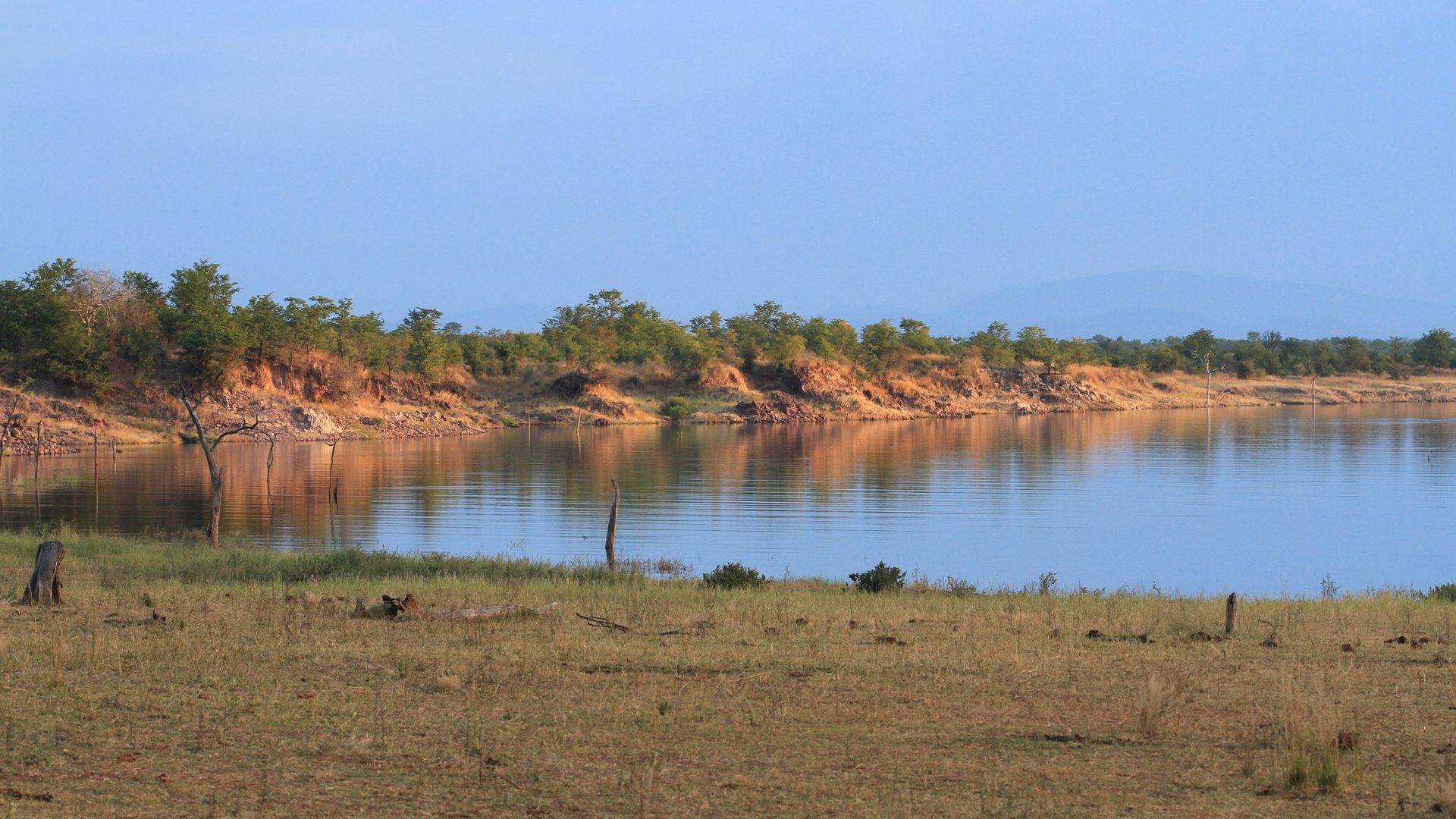
Lake Kariba itself spans immense proportions. Created in the late 1950s and early 1960s by blocking the Zambezi River with a massive dam wall, it is the largest man-made lake in the world by volume. The body of water stretches more than 200 kilometers long and reaches up to 40 kilometers wide in certain areas, creating perilous conditions when severe weather and strong winds churn up the surface.
The Ongoing Search and Rescue Response
Rescue efforts on the border lake involve multiple state agencies working under difficult conditions. Zimbabwe police confirmed that an active operation was underway shortly after the vessel overturned, supported by specialized underwater search teams deployed to scan the depths of the expansive basin.
The Civil Protection Unit formally recommended that the accident be officially declared a disaster, a step designed to unlock emergency resources for victim support and recovery operations.