
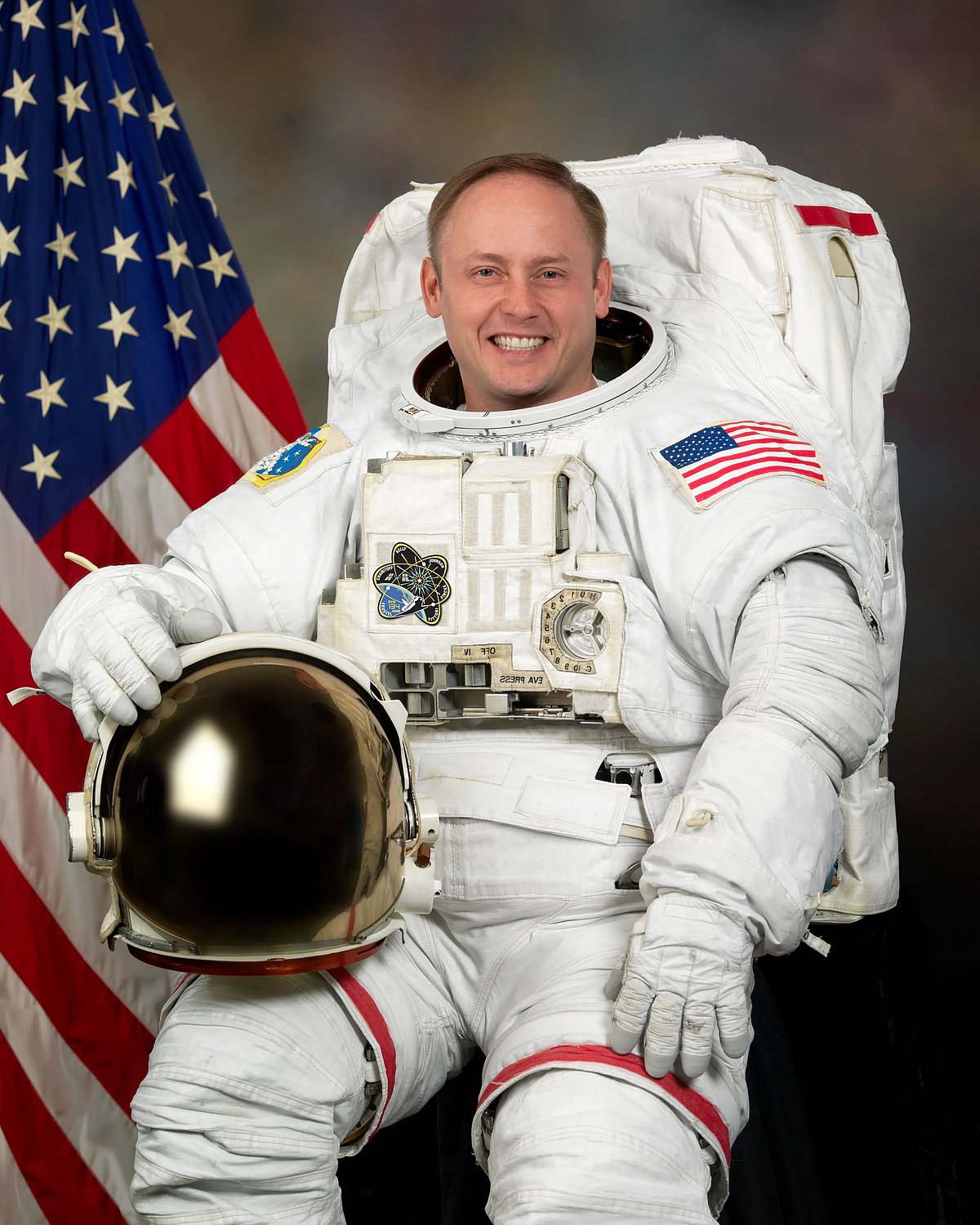
Astronaut Mike Fincke: Sudden Illness During Space Station Stay
CAPE CANAVERAL, Fla. — NASA astronaut Mike Fincke revealed he was the crew member who experienced a sudden, unexplained medical issue aboard the International Space Station in January, prompting the agency’s first-ever medical evacuation from the orbiting laboratory. Fincke, 59, a retired Air Force colonel and four-time space flier, described the incident as a frightening and bewildering experience during an interview with the Associated Press from Houston’s Johnson Space Center.
The incident occurred on January 7th, while Fincke was preparing for a spacewalk. He was eating dinner when he abruptly lost the ability to speak. “It was completely out of the blue. It was just amazingly quick,” Fincke said. He reported experiencing no pain, but his crewmates immediately recognized his distress and contacted flight surgeons on the ground for assistance.
The episode lasted approximately 20 minutes, after which Fincke felt fine and continues to feel well, according to his account. Despite extensive medical evaluation, doctors have been unable to determine the cause of the event. A heart attack has been ruled out, and Fincke confirmed he was not choking, leaving medical professionals to consider a range of possibilities potentially linked to the physiological effects of prolonged weightlessness – he had already spent 549 days in space prior to the incident.
The rapid response of his crewmates was crucial, Fincke emphasized. “My crewmates definitely saw that I was in distress,” he said, noting that all six individuals aboard the station immediately mobilized to assist. The incident underscored the importance of teamwork and preparedness in the challenging environment of spaceflight.
NASA swiftly initiated a medical evacuation, bringing Fincke and his three SpaceX Crew-11 colleagues back to Earth on January 15th, more than a month ahead of schedule. Upon landing near San Diego, California, the crew was transported to a local hospital for further evaluation before returning to Houston.
Fincke refrained from disclosing further details about the medical event, citing NASA’s desire to protect the medical privacy of astronauts. He explained that the agency is currently reviewing the medical records of other space travelers to determine if similar cases have occurred during space missions.
The unexpected medical emergency forced the cancellation of a planned spacewalk, which would have been Fincke’s tenth and the first for his colleague, Zena Cardman. Fincke initially expressed regret over the disruption, but NASA Administrator Jared Isaacman instructed him to cease apologizing for an event beyond his control.
The incident marks NASA’s first medical evacuation in 65 years of human spaceflight, highlighting the inherent risks of space exploration and the demand for robust medical protocols. The cause of Fincke’s medical episode remains unsolved, and NASA continues to investigate the circumstances surrounding the event.