Assaf Machnes: Berlin Taxi Ride Inspired ‘Where To?’, Film Opens Thursday
In a column for The Jerusalem Post, Israeli director Assaf Machnes argues that his new feature film stems from a chance taxi ride in Berlin that exposed an unspoken bond between two alienated men, as reported on Friday.
The film, titled Where To?, opens in theaters throughout Israel on Thursday after securing a worldwide festival run.
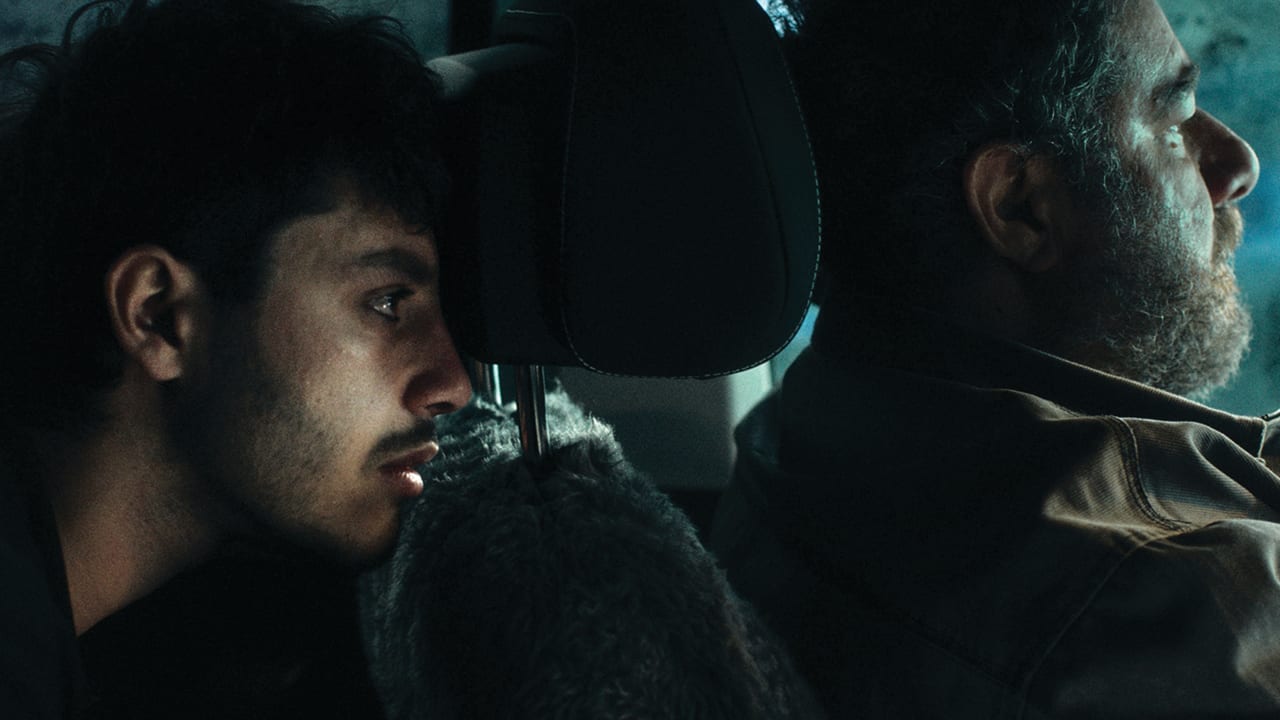
The narrative follows Hassan, a 55-year-old Palestinian Uber driver, and Amir, a young Israeli passenger driving through the urban sprawl of Berlin. Both characters carry heavy emotional burdens far from their respective homes.
“Toward the end of the visit, I found myself in the taxi of a Palestinian Uber driver, and I felt that we understood each other without saying much,” Assaf Machnes, who is based both in Tel Aviv and Berlin, said.
“Like most of my previous films, it all starts with an experience that I got to go through, and then I end up asking myself, ‘What if?’“ Machnes told The Jerusalem Post | The Jerusalem Post | JPost.com.””
The director developed the character of Hassan by drawing on specific encounters during the coronavirus pandemic. One primary inspiration was a man named Tarek from Ramallah whom Machnes met while administering COVID tests in Berlin, The Jerusalem Post | The Jerusalem Post | JPost.com reported.
The character also mirrors personal grief tied to the filmmaker’s family history. Machnes dedicated elements of the protagonist’s regret to his late father, who passed away at a similar age filled with unanswered questions.
Hassan buries his disappointment in endless driving while dealing with a daughter who is fully integrated into German society with a local boyfriend. The taxi serves as a confined, oppressive space reflecting his internal stagnation in a vibrant European metropolis.
“Hassan is based on two main characters. One is a guy called Tarek from Ramallah, whom I met in Berlin, who was doing COVID tests,” Machnes told The Jerusalem Post | The Jerusalem Post | JPost.com.
Lead actors Ehab Salami and Ido Tako earned Ophir Awards for their portrayals of Hassan and Amir during a highly competitive year, urgent.news reported. Salami brings a theater director’s precision to a role that requires minimal dialogue.
Tako portrays Amir, an Israeli army veteran who initially appears to fit the stereotype of a tourist partying through his trauma but actually suffers from severe anxiety and depression. Machnes ran two weeks of rehearsals exclusively inside a stationary car to build authentic eye contact through the rearview mirror.
“There were other actors who did great auditions, but I chose him because I felt I could watch six hours of him just driving and looking at people through the rearview mirror,” Machnes told The Jerusalem Post | The Jerusalem Post | JPost.com regarding Salami.
Despite securing distribution deals across twelve international territories, the film has faced rejections from several foreign film festivals amid cultural boycotts directed at Israeli art, The Jerusalem Post | The Jerusalem Post | JPost.com noted.
Machnes argues that silencing creative work fails to address regional conflicts. He maintains that art should provoke shared human reactions across national divides.
One key scene features Hassan and a relative teasing a tourist couple, generating laughter from both Israeli and Palestinian audiences alike. The director insists that absurd humor remains essential oxygen for processing collective pain.
“What people don’t understand is that by boycotting or silencing Israeli culture, they’re not contributing to the solution, obviously… I can only hope it will change,” Machnes told The Jerusalem Post | The Jerusalem Post | JPost.com.