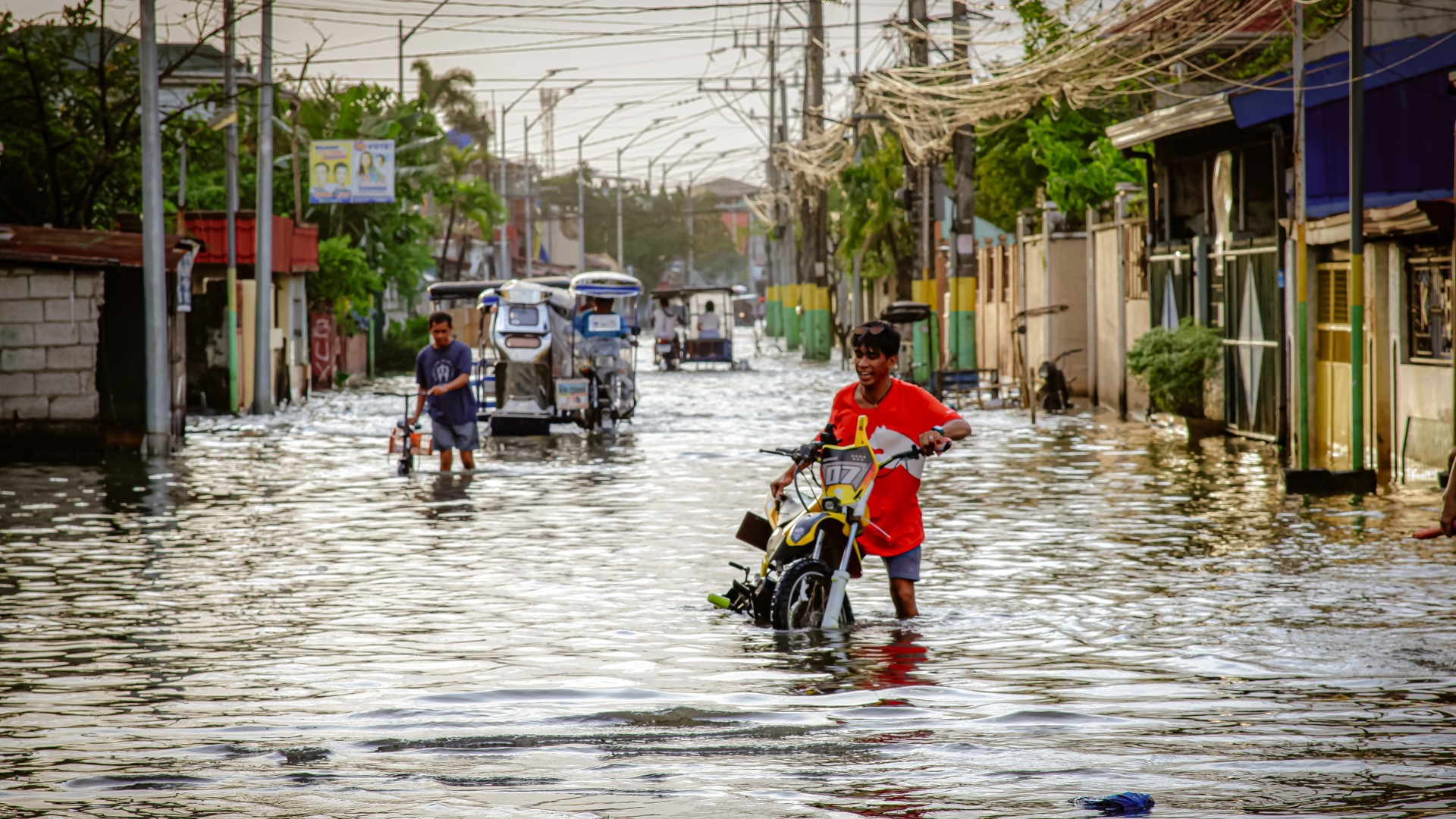
Asia’s Natural Disasters Must Not Become Financial Crises
The Southeast Asia Disaster Risk Insurance Facility disbursed $1 million to Laos on September 1, according to official data showing that heavy rainfall and widespread flooding had affected more than 260,000 people. According to reports from the ASEAN+3 Macroeconomic Research Office, physical climate hazards are increasingly threatening to transform into severe macroeconomic shocks across the region.
Macroeconomic Shocks and Regional Risks
According to the ASEAN+3 Macroeconomic Research Office, natural disasters trigger complex economic chain reactions by damaging essential infrastructure and agricultural output. When countries face weak logistics, inadequate food stocks, and concentrated import sources, lower domestic production directly causes food shortages, elevated prices, and declining household purchasing power.
Central banks across the region face significant policy challenges when supply-driven inflation combines with weakened domestic demand.
According to the World Meteorological Organisation, a strong El Niño is expected to intensify from August through October, increasing the likelihood of above-normal temperatures and major shifts in rainfall globally. In Southeast Asia, El Niño typically generates drier conditions, raising risks of drought, wildfires, and haze, though impacts vary by country and season.
Fiscal Aftershocks and Long-Term Growth
According to economic analyses, temporary disruptions can evolve into permanent drags on productive capacity if critical public infrastructure—including roads, ports, irrigation systems, schools, and hospitals—cannot be repaired or replaced in a timely manner. Governments frequently find themselves forced to divert spending away from long-term development projects, secure high-cost short-term borrowing, or rely heavily on external assistance.
According to the United Nations Office for Disaster Risk Reduction, direct disaster losses averaged between $180 billion and $200 billion annually from 2001 to 2020. When factoring in indirect, cascading, and ecosystem effects, the total annual economic cost surpasses $2.3 trillion.
The Disaster Risk Financing Framework
To mitigate these fiscal pressures, finance ministers and central bank governors from ASEAN+3 member states—comprising the ten Southeast Asian nations plus China, Japan, and South Korea—endorsed the Disaster Risk Financing Initiative’s 2026–28 roadmap in May. According to the framework, members will work to develop comprehensive national disaster-risk financing strategies and broaden their utilization of insurance, catastrophe bonds, and related financial instruments.

Instead, their primary value rests on supplying reliable liquidity during the critical early stages of an emergency when administrative delays are most damaging and governments have the least budgetary flexibility.
According to risk-matching guidelines, budget reserves and dedicated disaster funds should manage frequent, lower-cost losses, while contingent credit handles medium-size shocks. Insurance and capital-market instruments are designated primarily for infrequent but fiscally severe events, backed by effective social-protection systems to ensure aid reaches affected communities rapidly.