
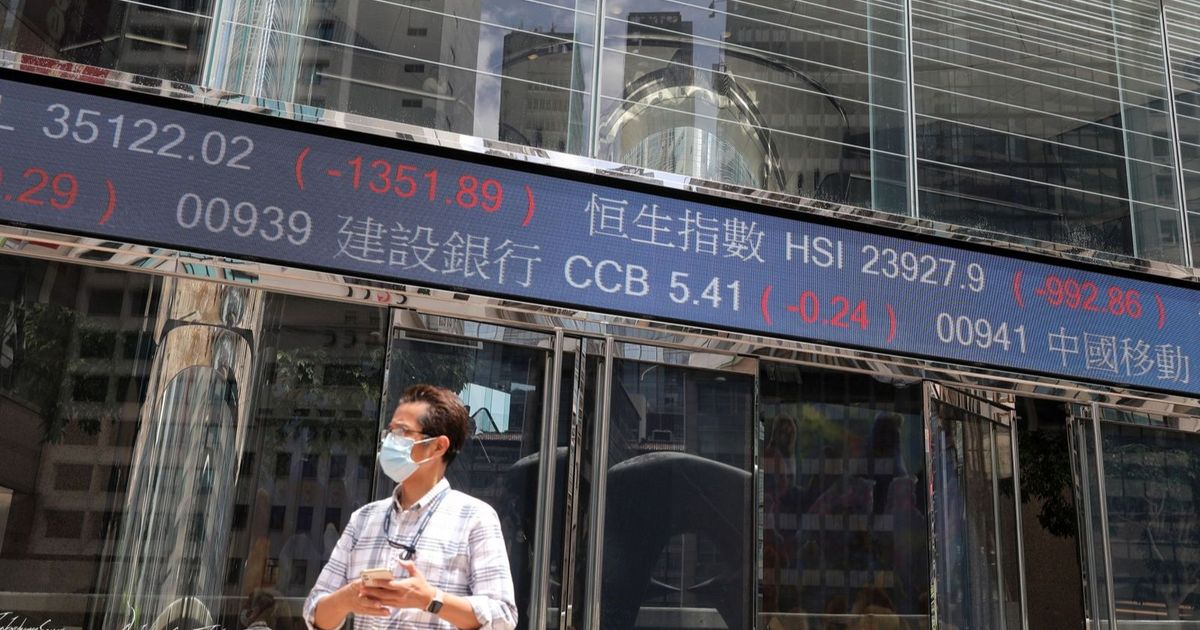
Asian Stocks Dip Amidst Shifting Rate Expectations and Tech Concerns
Asian stock markets experienced a decline on Monday, mirroring a downturn in US markets fueled by anxieties surrounding potential interest rate adjustments and growing concerns about a possible “bubble” in artificial intelligence (AI) stocks.
The shift in sentiment comes as expectations for a December rate cut by the US Federal Reserve have diminished, falling below 50%.This change follows a week of market gains spurred by the resolution of the US government shutdown.
While oil prices rose due to concerns over potential disruptions to Russian supplies stemming from US sanctions – despite existing signs of a global supply surplus - the british pound weakened against all G10 currencies following the government’s decision to abandon planned income tax increases.
The most important drag on investor confidence was the decline in technology stocks,accompanied by increasing warnings of an overvalued market,especially within the AI sector. Some investment funds have begun shifting capital towards more defensive sectors.
“Markets appear to be shocked by fears of AI exaggeration,” noted Vishnu Varathan,head of macro research at Mizuho Bank. He highlighted that a cautious approach from the Federal Reserve is unlikely to support interest-rate sensitive technology stocks, and expressed concern over the concentrated gains seen in a limited number of stocks since April, suggesting unsustainable growth.
Investors are keenly awaiting the earnings report from Nvidia, currently the world’s most valuable company with a market capitalization of $4.5 trillion. The company’s stock has risen 39% this year, outpacing both the Nasdaq 100 and S&P 500 indexes.
Chris Weston, head of research at Pepperstone Group, stated that Nvidia’s announcement will be a key driver of market movements in the coming week, potentially prompting traders to reduce risk and secure profits.
The reopening of the US government has shifted market focus to upcoming economic data releases, which will heavily influence expectations regarding monetary policy. However,the October jobs report will exclude unemployment rate data due to the suspension of the household survey during the shutdown,as confirmed by economic advisor Kevin Hassett.
This data gap could bolster arguments among some Federal Reserve officials to maintain current interest rates, with market contracts currently indicating near-equal probabilities for a rate hold or cut at the December meeting.
Federal Reserve Chairman Jerome Powell has emphasized that any decision on interest rates will be data-dependent and that a rate reduction is “not guaranteed.” Several Fed officials have echoed this cautious stance. Alberto Masalem, President of the reserve Bank of St. Louis, cautioned against rate cuts given persistent inflation above the target. Beth Hammack, president of the Cleveland branch, advocated for a “somewhat restrictive” monetary policy. Neel Kashkari, President of the bank of minneapolis, confirmed his opposition to recent cuts and continued hesitancy regarding a December move.
Separately, president Donald Trump is preparing to implement tariff reductions aimed at lowering food prices and announce new trade agreements, as part of efforts to improve voter sentiment ahead of upcoming elections.
