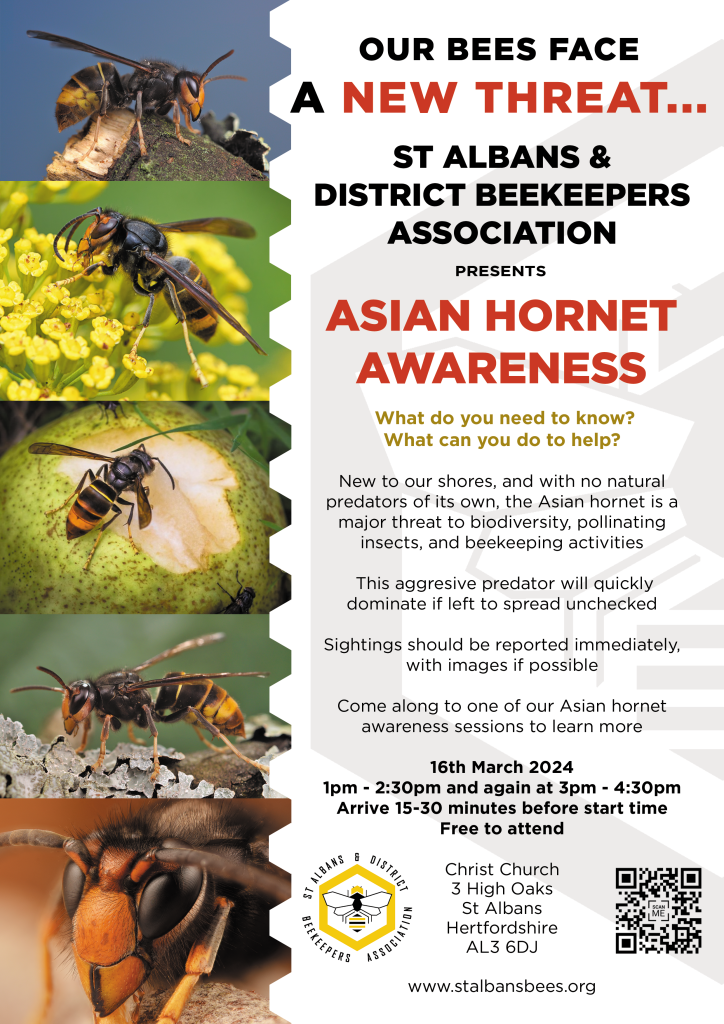
Asian Hornet Threat: Beekeepers Warn of Pollinator Deserts and Food Security Risks
British beekeepers are urging the government to launch an urgent national awareness campaign to combat the spread of invasive Asian hornets.
The Spread of the Yellow-Legged Hornet Across Europe and the UK
Native to south-east Asia, the yellow-legged hornet (Vespa velutina) first arrived in Europe through southwestern France in 2004. Accelerated by increasingly warm springs and summers, the invasive species has steadily expanded its geographic range across the continent. According to the National Bee Unit (NBU)—which operates under the Department for Environment, Food and Rural Affairs (Defra) and the Welsh government—the insect was first officially detected in the UK in 2016 in Tetbury, Gloucestershire.

Since that initial sighting, the threat has intensified. In September 2026, the NBU confirmed the discovery of an Asian hornet nest in Somerset for the very first time, prompting immediate destruction by eradication teams. Additional containment operations occurred concurrently, including a nest destroyed in Yarm, North Yorkshire. Genetic analysis of nests recovered in previous seasons reveals that queens successfully survive British winters, mating and establishing persistent local populations rather than merely acting as transient visitors from continental Europe.
Biological Threat to Native Ecosystems and Food Security
The ecological impact of Vespa velutina centers on its unmatched efficiency as an aerial predator. Lucie Chaumeton, a trustee of the BBKA and vice-chair of its yellow-legged hornet committee, notes that these hornets hover outside honeybee hives to capture foraging bees mid-flight, decapitating them to feed protein-rich thoraxes to their developing larvae. This relentless predation leaves behind localized “pollinator deserts,” severely depressing honey production and undermining the pollination services required for agricultural crop yields.

Beyond agricultural consequences, the species presents distinct public health hazards due to its aggressive nest defense behaviors and painful stings. Unlike eastern honeybees, which have evolved thermal defense mechanisms like “heat-balling” hornets to death, European honeybee populations remain largely defenseless against this apex predatory wasp. Natural controls are virtually nonexistent in the UK climate, making human intervention the primary line of defense.
Government Strategy and the Critical Late-Summer Window
The UK government’s formal contingency plan, established following a 2011 risk assessment, relies heavily on locating and destroying active nests before queens can disperse. Late summer marks a critical juncture in this containment cycle. As colonies reach peak maturity, they produce fertile new queens that leave the nest to mate and seek out sheltered hibernation sites ahead of winter.
Failing to locate and destroy even a single mature nest allows dozens of new queens to scatter across surrounding regions. Apha and the BBKA emphasize that public vigilance is vital for early detection. Beekeepers and local residents are strongly encouraged to deploy monitoring traps, correctly identify suspect insects, and submit immediate reports through official government tracking channels.
Mitigating the economic and biological damage requires coordinated community action and rigorous apiary management.
As warming seasonal patterns continue to favor the proliferation of invasive predatory insects, the demand for sustained government oversight and community-level readiness remains higher than ever. Safeguarding Britain’s food production and native biodiversity depends entirely on swift, uncompromising eradication efforts before the yellow-legged hornet transitions from an isolated threat to a permanent fixture of the British countryside.