Asia Ship Piracy and Robberies Hit Seven-Year Low
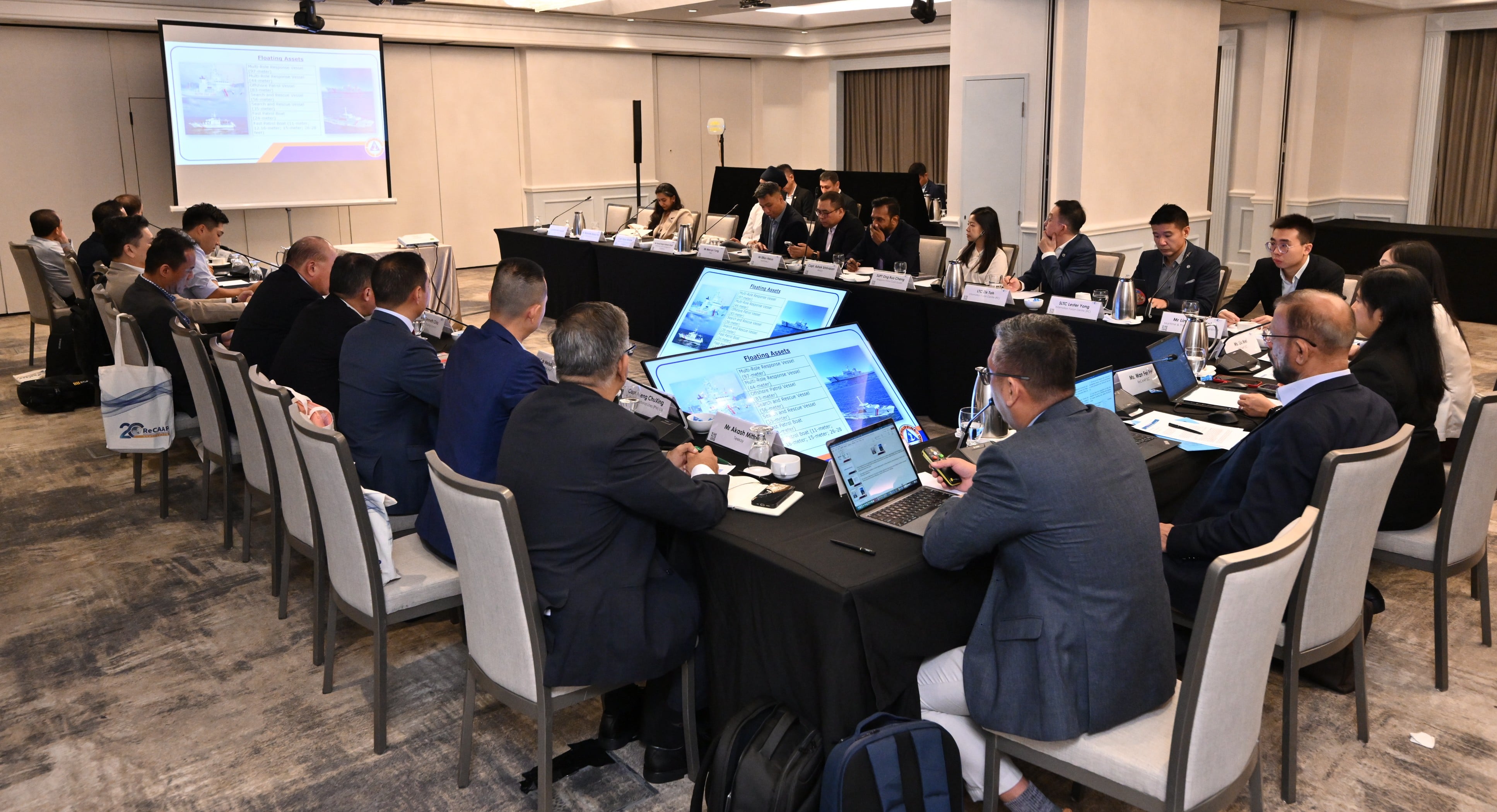
The Regional Cooperation Agreement on Combating Piracy and Armed Robbery against Ships in Asia (ReCAAP) and global shipping representatives are convening to standardize anti-piracy protocols following a seven-year low in maritime incidents across Asia. While regional statistics show significant improvement, ongoing instability in the Strait of Hormuz continues to complicate global risk assessments for commercial vessel operators.
Data Trends: A Seven-Year Decline in Asian Waters
The Singapore Strait, historically one of the most volatile corridors for commercial shipping, has seen a marked turnaround, according to reporting from TradeWinds News and Splash247.
However, the reduction in localized Asian incidents does not correlate with a global decrease in maritime threats. The maritime industry currently faces a bifurcated risk landscape. While vessels navigating Southeast Asian chokepoints report safer transit, those operating near the Middle East face heightened geopolitical volatility.
The Shift Toward Proactive Risk Mitigation
The upcoming discussions between ReCAAP and industry stakeholders aim to move beyond reactive reporting.
Geopolitical Volatility and Insurance Implications
Industry analysts have noted that the “Hormuz turmoil” introduces a distinct set of variables compared to traditional piracy. According to Insurance Day, underwriters are recalibrating their risk models to account for these systemic threats, which often fall outside the scope of standard piracy coverage.
Infrastructure and Operational Resilience
As ReCAAP and industry leaders finalize these new practices, the maritime sector remains in a state of cautious adjustment.