ASEAN’s Struggle to Resolve the Myanmar Crisis
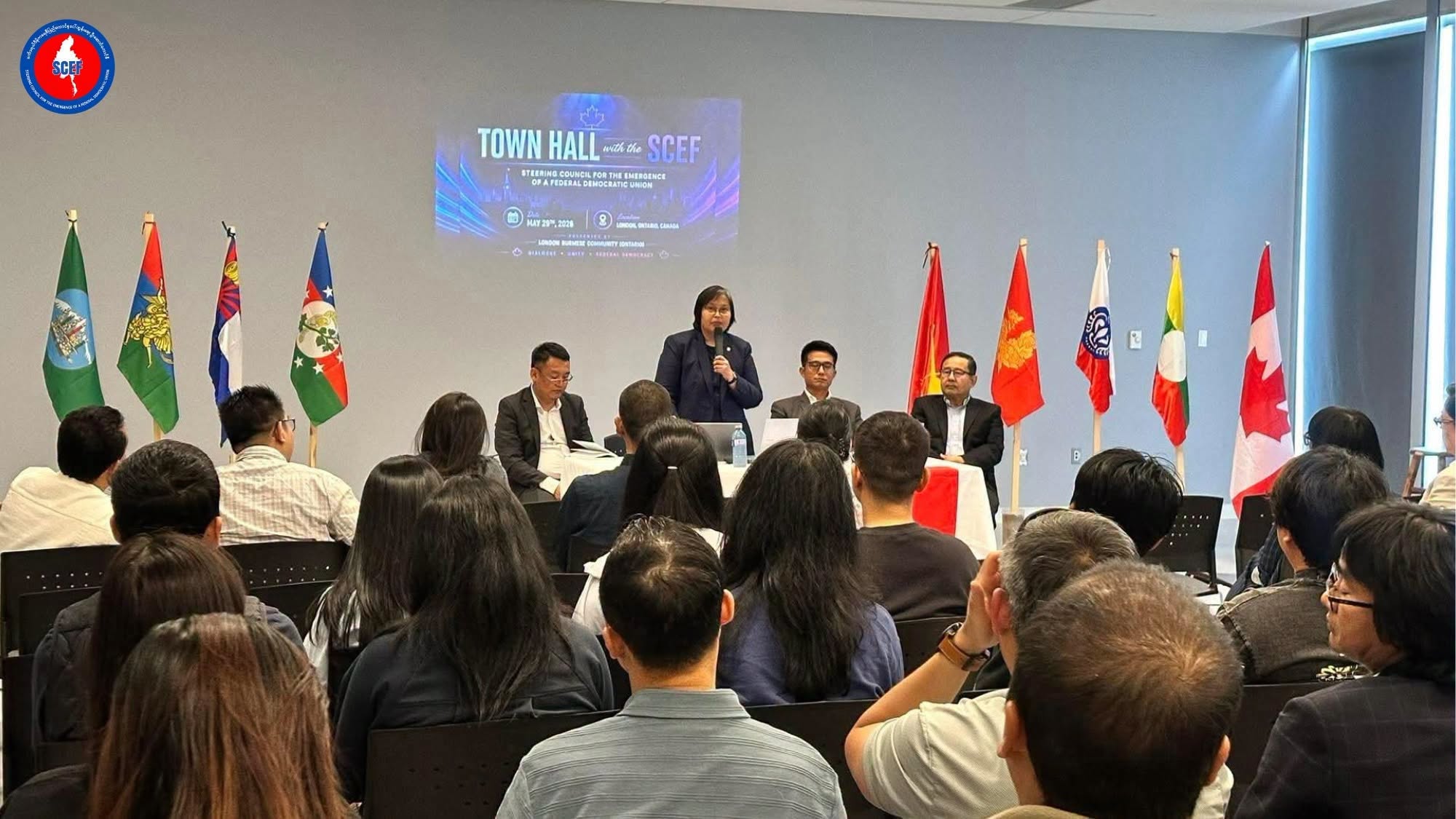
The alliance maintains that sustainable stability requires addressing the root causes of military rule, rather than merely implementing the existing Five-Point Consensus.
The Deadlock of the Five-Point Consensus
ASEAN remains tethered to its Five-Point Consensus, a diplomatic framework established shortly after the February 2021 coup. While member states like Indonesia continue to champion this plan as the primary vehicle for regional mediation, anti-junta stakeholders argue that the framework ignores the fundamental political shift desired by the populace. According to reporting from The Jakarta Post, the perception of Myanmar as a peripheral issue is increasingly challenged by the reality of regional spillover, including refugee flows and cross-border instability.
Indonesia’s Diplomatic Pivot and Regional Ambition
Despite the criticism from anti-junta forces, Indonesia has maintained its role as a regional broker. As noted in recent updates from ANTARA News and Tempo.co English, the Indonesian Deputy Foreign Minister has reiterated the nation’s readiness to facilitate dialogue between the military junta and opposing factions.
The economic impact of this ongoing uncertainty is profound.
Humanitarian and Strategic Realities
The conflict has evolved into a multi-front struggle that transcends traditional military engagement. The anti-junta alliance’s recent statements emphasize that ending violence—without a concurrent transition to civilian-led governance—would merely cement the junta’s control under a veneer of peace.
For organizations attempting to deliver aid or maintain infrastructure, the environment is increasingly complex. The lack of a centralized authority means that local municipal legal standards are often bypassed or ignored by armed actors.
The Cost of Diplomatic Inertia
The disparity between ASEAN’s formal diplomatic efforts and the realities of the ground struggle is widening. While the bloc has historically prioritized consensus, the urgency of the Myanmar crisis is testing the limits of this approach.
As the situation remains fluid, the risk of miscalculation grows.
For those managing the fallout—whether through corporate divestment, humanitarian logistics, or legal arbitration—the path forward requires more than just diplomatic hope. It requires the professional infrastructure to mitigate risk in a vacuum of formal law. The current crisis in Myanmar is not merely a regional diplomatic challenge; it is a profound test of the resilience of international norms. As the situation evolves, stakeholders must rely on vetted, professional, and strategic guidance to navigate a region where the traditional rules of engagement have effectively ceased to exist.
Worth a look
- Best of the World with Antoni Porowski: Parisian Break Now Streaming
- Vietnam Explores New Incentives to Boost Birth Rates
- Canada Wildfires Spark Air Quality Crisis and Diplomatic Tensions With US (time.news)
- ASEAN Faced with Growing Threat: Anti-Junta Alliance Sounds Alarm on Myanmar Crisis (newsy-today.com)