
ASEAN to Accelerate Upgraded Trade Pact Ahead of Schedule
ASEAN Accelerates Trade Pact Rollout to Late 2026
ASEAN economic ministers meeting in Manila have agreed to accelerate the rollout of an upgraded regional goods trade pact, bringing its implementation forward to the end of 2026 amid ongoing shifts in the global economy.
According to Singapore’s Deputy Prime Minister Gan Kim Yong, the bloc’s updated ASEAN Trade in Goods Agreement (ATIGA) was originally scheduled to take effect on June 1, 2027, or 18 months after its formal signing.
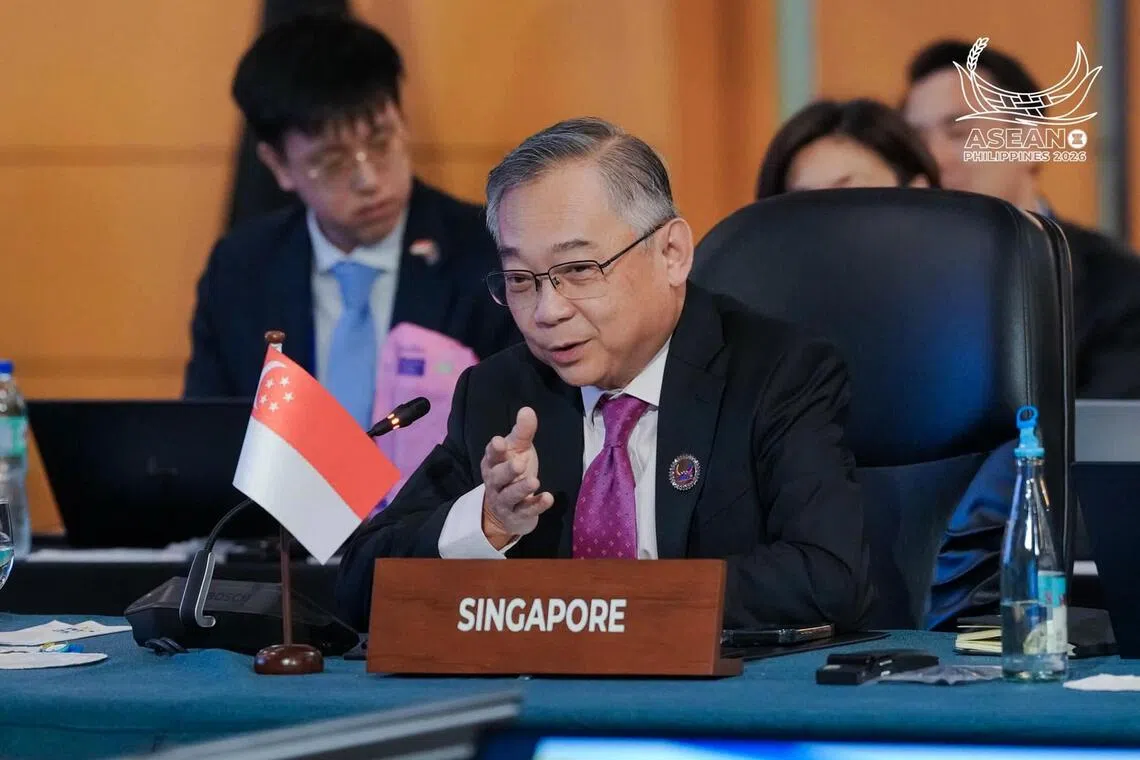
Speaking during the opening phase of the 58th ASEAN Economic Ministers’ Meeting and Related Meetings, Gan stated in a social media update that the early deployment aims to streamline cross-border shipping and expand market access for member businesses.
Modernizing Merchandise Commerce and Customs Protocols
The revised framework introduces modernized provisions addressing customs protocols, supply chain resilience, and related trade facilitation measures.
Expanding Services and the Digital Economy Framework
Beyond goods, ministers laid the groundwork for a formal review of the ASEAN Trade in Services Agreement to ensure regional regulations keep pace with broader economic shifts.
Officials also discussed implementation timelines for the upcoming ASEAN Digital Economy Framework Agreement, an accord anticipated for formal signing during the regional leaders’ summit in Manila in November. That digital pact targets e-commerce, cross-border data transmission, digital payments, and cybersecurity.
Navigating Evolving Global Commerce Dynamics
The regional trade push unfolds against a backdrop of evolving global commerce dynamics. The original ASEAN-China free trade agreement enacted in 2010 propelled two-way transactions from $235.5 billion that year to nearly $1 trillion by 2023, establishing China and ASEAN as each other’s primary trading partners.
Southeast Asia expert Bridget Welsh noted that non-U.S. economies are increasingly reinforcing cross-regional ties for mutual prosperity while global supply chains undergo structural adjustments.