ASEAN-Russia Summit 2024: Key Takeaways & Economic Opportunities for Southeast Asia
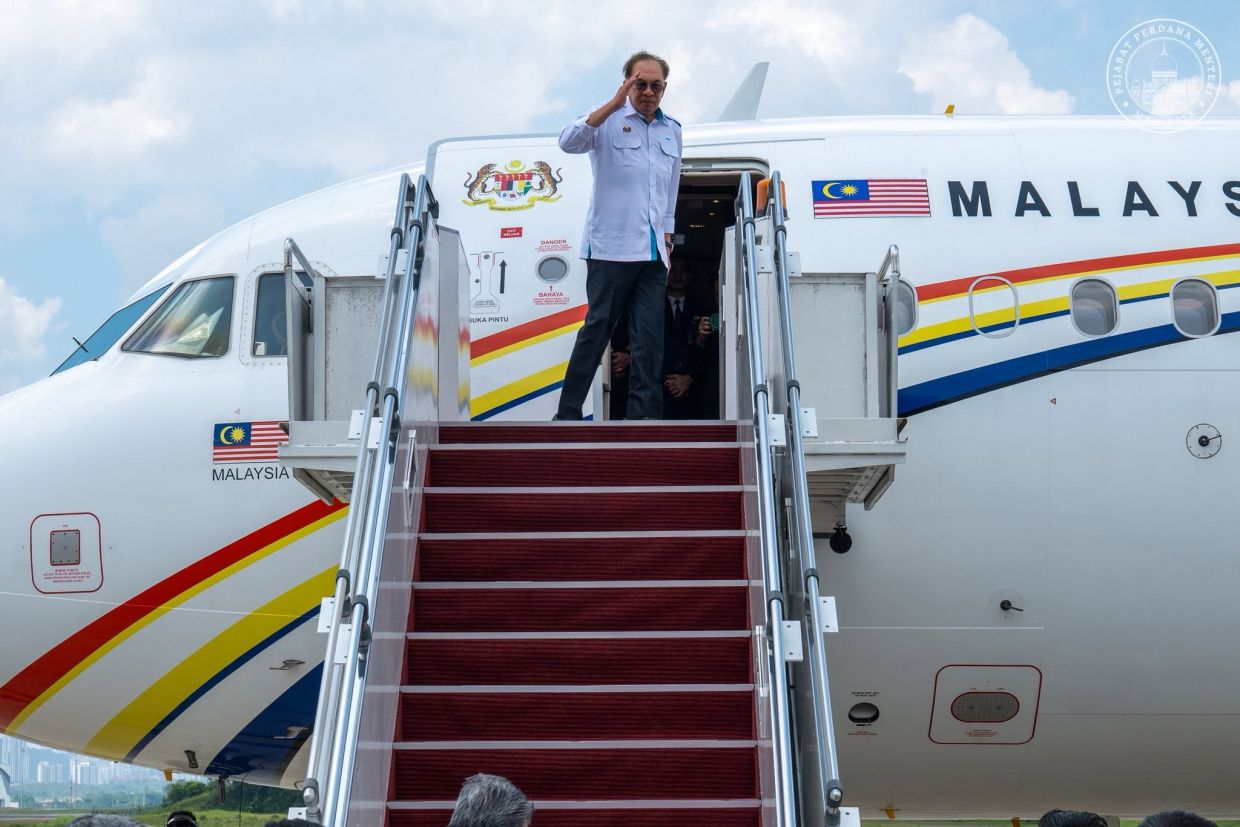
Prime Minister Wong departed for the ASEAN-Russia Commemorative Summit in Kazan on June 16, 2026, marking a pivotal moment in regional diplomacy. The event, hosted by Russia, aims to strengthen economic and political ties between ASEAN nations and Moscow, with implications for global trade routes and geopolitical alliances. According to the Star, the summit will focus on infrastructure projects and energy cooperation, though details remain sparse. The move underscores ASEAN’s evolving role in balancing relationships with major powers.
Why This Summit Matters to Southeast Asia
The ASEAN-Russia summit, held in Kazan, Russia’s cultural and economic hub, represents a strategic shift for the 10-nation bloc. Historically, ASEAN has prioritized partnerships with the U.S., China, and the EU, but recent tensions in the Indo-Pacific have prompted a reevaluation of alternatives. Analysts note that Russia’s growing influence in energy and technology could offer ASEAN countries new opportunities, particularly in sectors like agriculture and digital infrastructure. However, the summit’s outcomes may also complicate ASEAN’s neutrality, given Russia’s ongoing conflicts in Eastern Europe.
“This is a calculated move to diversify ASEAN’s economic dependencies,” said Dr. Nguyen Thanh Van, a Vietnam-based geopolitical analyst. “But it risks drawing the bloc into geopolitical friction if not managed carefully.” According to Vietnam+ reports, Vietnam has already expressed interest in collaborating with Russian firms on renewable energy projects, citing potential cost savings and technological transfer.
A Strategic Pivot in ASEAN-Russia Relations
The summit follows a series of high-level exchanges between ASEAN and Russia, including a 2023 meeting in Moscow where both sides signed a framework agreement on trade facilitation. However, the current event is the first commemorative summit, signaling a formalization of ties. Kazan, a city with a population of 1.2 million, has been designated as a “special economic zone” for the event, with local authorities investing in hospitality infrastructure to accommodate delegations. This has created short-term employment opportunities but raised concerns about long-term sustainability, as per a June 2026 report by the Russian Ministry of Economic Development.
Russian President Vladimir Putin is expected to address the summit, emphasizing Moscow’s vision for a “multipolar world order.” His remarks will likely highlight Russia’s role as a supplier of raw materials and a counterweight to Western dominance. Meanwhile, ASEAN leaders are expected to push for greater access to Russian markets, particularly in agriculture and machinery. The outcome could reshape trade dynamics, with potential implications for global supply chains.
Economic Implications for Southeast Asia
Experts predict the summit could unlock new economic opportunities, particularly in energy and logistics. Russia, a top global producer of oil, natural gas, and nickel, has expressed interest in expanding exports to ASEAN. For example, Vietnam’s state-owned oil company, PetroVietnam, has already entered preliminary talks with Russian firms to secure long-term fuel supplies. Such deals could reduce ASEAN’s reliance on Middle Eastern and Norwegian energy sources, according to a June 2026 analysis by the Bangkok Post.

However, the economic benefits are not guaranteed. Sanctions imposed by the EU and U.S. on Russian entities may limit access to Western financing, complicating large-scale investments. “ASEAN countries must navigate these constraints carefully,” said Dr. Alexei Ivanov, a Moscow-based economist. “There’s a risk of being caught between competing global powers.” The summit’s success will depend on whether ASEAN can secure concrete agreements that withstand geopolitical pressures.
Local businesses in Kazan are cautiously optimistic. A June 2026 survey by the Kazan Chamber of Commerce found that 68% of small enterprises expect increased trade activity during the summit, though 42% cited concerns about regulatory hurdles. The Russian government has pledged to streamline visa processes for ASEAN delegates, but implementation remains unclear.
Regional Reactions and Diplomatic Challenges
The summit has elicited mixed reactions across Southeast Asia. While Vietnam and Cambodia have publicly supported the initiative, countries like the Philippines and Malaysia have emphasized the need for transparency. “ASEAN’s unity is paramount,” said Philippine Foreign Secretary Alberto Romulo in a June 15, 2026, statement. “We must ensure that all partnerships align with our collective interests.”
Meanwhile, critics argue that the summit could undermine ASEAN’s cohesion. The bloc’s 2009 Declaration of ASEAN Identity emphasizes non-alignment and consensus-based decision-making, principles that may clash with Russia’s more assertive foreign policy. “This is a test of ASEAN’s ability to maintain its neutrality while engaging with multiple powers,” said Dr. Somsak Thepsuthin, a Thai political scientist.
Russian officials have sought to reassure ASEAN partners, emphasizing that the summit is not a “military alliance” but a “civilizational dialogue.” However, the inclusion of Russian military representatives in some advisory roles has fueled skepticism. A June 2026 report by the Associated Press noted that while no formal defense agreements are expected, the presence of military officials could signal deeper strategic alignments.
How to Navigate the Shifting Geopolitical Landscape
For businesses and policymakers, the summit underscores the need for agility. Companies operating in Southeast Asia should monitor developments closely, particularly in sectors like energy, agriculture, and technology. Legal experts recommend engaging with [Relevant Law Firms] to assess risks associated with Russian partnerships, including compliance with international sanctions.

Local governments are also preparing for long-term implications. In Vietnam, the Ministry of Foreign Affairs has established a task force to evaluate potential collaborations with Russian entities, according to a June 2026 statement. Similarly, [Relevant Civic Organizations] in Indonesia are hosting workshops to educate entrepreneurs on navigating the complexities of cross-border partnerships.
For those seeking guidance, [Relevant Business Services] offers tailored advice on international trade strategies, while [Relevant Legal Consultants] specialize in mitigating geopolitical risks. These resources highlight the growing demand for expertise in a rapidly evolving landscape.
The Road Ahead: A Test of ASEAN’s Diplomatic Balance
The Kazan summit is more than a diplomatic gesture—it is a litmus test for ASEAN’s ability to balance multiple global interests. As the region grapples with rising tensions between major powers, the summit’s outcomes will shape its economic and political trajectory for years to come. Whether it fosters genuine collaboration or exacerbates divisions will depend on the ability of