ASEAN Explores Regional Oil Stockpiling as Malaysia Remains Net Importer
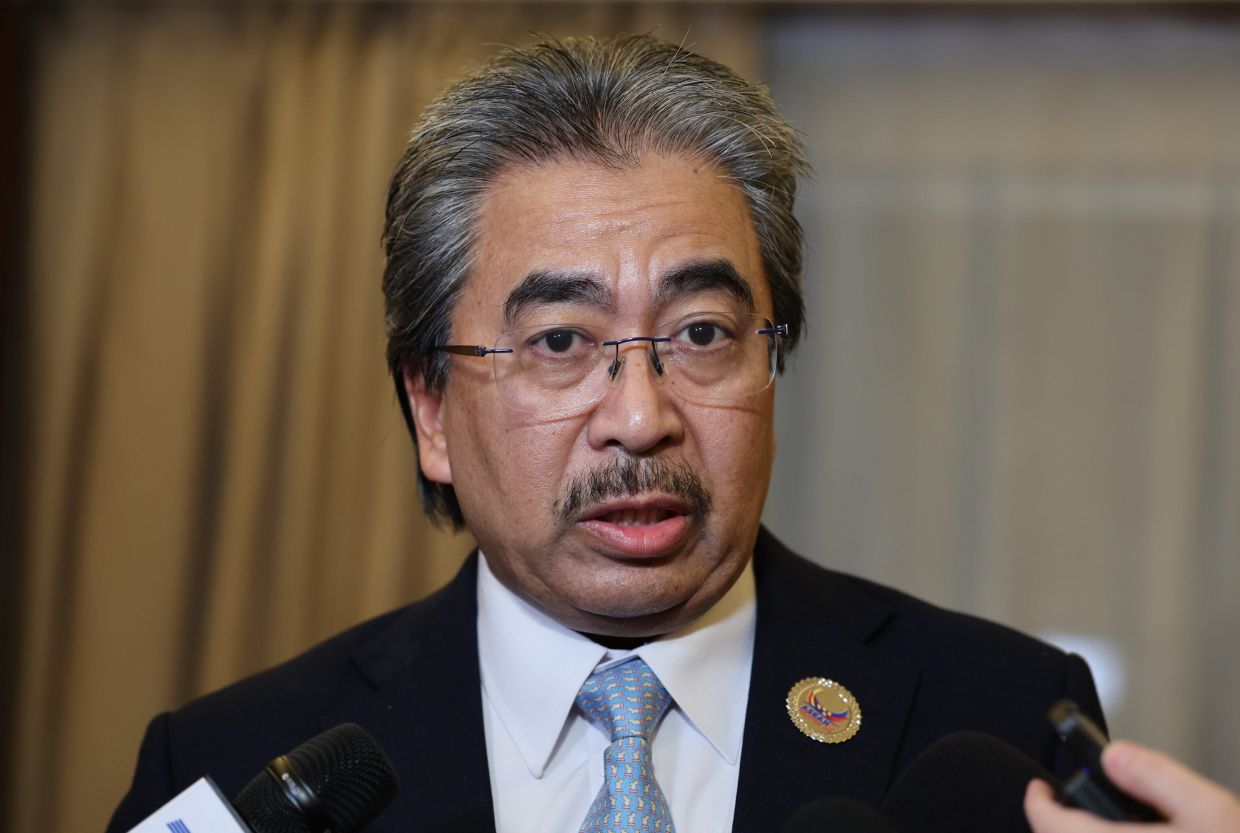
Malaysia cannot export crude oil to fellow ASEAN members because it remains a net importer, bringing in 400,000 barrels daily. Minister Johari Ghani indicated that while exports are currently unavailable, the region is exploring a private-sector-inclusive fuel stockpiling framework to bolster collective energy security and mitigate supply shocks.
The paradox of a resource-rich nation acting as a net importer often confuses those outside the energy sector, but for Southeast Asia, We see a stark reminder of the gap between raw extraction and refined necessity. When a country like Malaysia imports 400,000 barrels of oil every single day, it isn’t because the oil isn’t there—it’s because the specific grade of crude produced domestically doesn’t always match the requirements of local refineries or the demands of a growing industrial base.
This vulnerability isn’t just a Malaysian problem; it is a regional liability. For years, the Association of Southeast Asian Nations (ASEAN) has operated on a fragmented energy strategy. The current move toward a regional fuel stockpile plan, as mooted by Johari Ghani, represents a pivot from individual survival to collective resilience. The goal is simple: create a buffer that prevents a localized crisis from spiraling into a regional economic collapse.
The Import Paradox and the Crude Reality
The announcement that Malaysia is unable to export crude oil to its neighbors highlights a critical structural weakness. The reliance on daily imports of 400,000 barrels suggests that domestic production is failing to keep pace with the specific needs of the economy. This creates a precarious dependency on global markets, where a single geopolitical tremor in the Middle East or a shipping bottleneck in the Strait of Hormuz can send local fuel prices skyrocketing.

For neighboring countries, particularly those with even fewer natural resources, this news is a wake-up call. If a regional energy heavyweight like Malaysia is struggling to maintain a surplus, smaller nations are essentially operating without a safety net. This is why the discussion around a regional stockpiling system is no longer a theoretical exercise—it is a necessity for economic survival.
Managing these volatile energy transitions requires more than just government decrees. Businesses operating across these borders are increasingly relying on strategic energy consultants to hedge against price volatility and secure long-term supply contracts that bypass the instability of the spot market.
Designing a Regional Safety Net
The proposed fuel stockpile plan is designed to function as a Strategic Petroleum Reserve (SPR) for the ASEAN region. Unlike commercial inventories, which are held for immediate sale, a strategic reserve is a “break glass in case of emergency” fund of physical oil. The plan, which includes Cambodia and other regional partners, aims to ensure that no single member state is left stranded during a global supply disruption.
The framework focuses on several key pillars:
- Collaborative Storage: Establishing physical hubs where oil can be stored and accessed based on pre-negotiated regional agreements.
- Diversified Sourcing: Reducing the reliance on a few dominant exporters to prevent “single-point-of-failure” risks.
- Private Sector Integration: Moving away from purely state-funded reserves by incentivizing private companies to manage and maintain the infrastructure.
- Coordinated Draw-down: Establishing a legal mechanism to decide who gets oil and how much during a crisis to prevent hoarding.
The inclusion of the private sector is perhaps the most pragmatic part of Johari Ghani’s vision. Building and maintaining massive oil storage facilities is prohibitively expensive for many governments. By involving private entities, ASEAN can leverage commercial efficiency and capital to build the infrastructure necessary for regional security.
“Energy security in Southeast Asia cannot be achieved in isolation. The transition from national stockpiling to a regional framework is the only way to insulate the bloc from the volatility of the global energy market.”
This shift toward private-sector involvement creates a complex legal landscape. Companies entering into these agreements must navigate a labyrinth of cross-border regulations and sovereign immunity clauses. Many are engaging international corporate law firms to draft the frameworks that will govern these public-private partnerships.
Geopolitical Implications for Cambodia and Beyond
For nations like Cambodia, the prospect of a regional stockpiling system is a potential game-changer. Without significant domestic oil reserves, Cambodia is highly susceptible to external price shocks. A regional agreement would provide a layer of protection that the country cannot build on its own. However, the success of this plan depends entirely on the trust between member states—a trust that is often tested when resources become scarce.
The logistical challenge of this plan is immense. Moving millions of barrels of oil across different jurisdictions requires a level of infrastructure coordination that currently doesn’t exist in the region. From pipeline integration to deep-water port expansions, the physical requirements are staggering. This has opened a massive window of opportunity for industrial storage and logistics specialists who can design the hardware for such a vast undertaking.
To understand the scale of this ambition, one can look at the International Energy Agency (IEA) standards for strategic reserves, which typically suggest maintaining 90 days of net imports. If ASEAN attempts to mirror this model, the amount of storage required would be unprecedented in the region’s history.
The Road to Energy Sovereignty
The admission that Malaysia is a net importer is not a sign of failure, but a sign of evolution. It acknowledges that the old model of “produce and export” is no longer sufficient in a world of shifting energy demands and climate pressures. The move toward a regional stockpile is an admission that energy sovereignty in the 21st century is not about owning the oil—it is about controlling the access to it.
As the ASEAN bloc continues to explore this framework, the tension between national interest and regional stability will remain. The question is whether member states are willing to surrender a degree of autonomy in exchange for a collective guarantee of fuel security. If they succeed, they create a blueprint for other regional blocs to follow. If they fail, they remain at the mercy of a global market that cares little for the stability of Southeast Asian economies.
The transition from a collection of competing energy importers to a unified strategic bloc is a high-stakes gamble. For the businesses and governments caught in the middle, the priority is no longer just finding the cheapest barrel of oil, but ensuring that the barrel actually arrives when the world is in chaos. Navigating this shift requires a combination of geopolitical foresight and technical precision. Those who can provide both—whether through legal architecture or logistical engineering—will be the ones defining the region’s energy future. For those seeking the verified experts capable of managing these complexities, the World Today News Directory remains the definitive resource for connecting with the professionals equipped for this new era of global volatility.