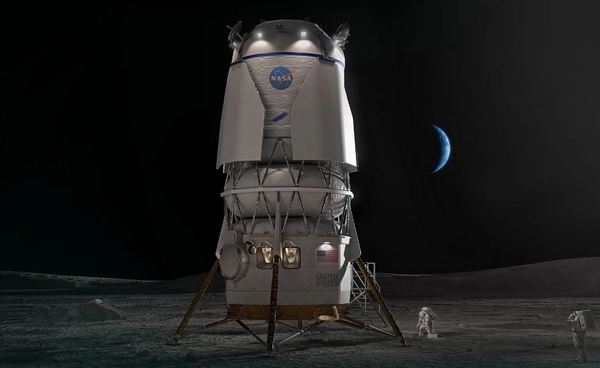
Artemis Program Risks Destroying Evidence of Life on the Moon
NASA’s Artemis program faces increasing scrutiny from the scientific community regarding the potential destruction of pristine lunar environments that may contain chemical signatures of the origins of life. Researchers warn that landing modules and human activity at the lunar south pole could contaminate volatile-rich regions, permanently altering the data needed to understand the early evolution of the solar system.
## Risks to Lunar Volatiles and Prebiotic Chemistry
The lunar south pole is a primary target for Artemis missions due to the presence of water ice trapped in permanently shadowed regions. Scientists identify these areas as “cold traps” that have remained undisturbed for billions of years. According to research cited by experts, these regions act as natural archives, potentially preserving complex organic molecules or prebiotic chemical precursors.
The concern centers on the physical impact of landing spacecraft. Rocket exhaust plumes introduce foreign materials, including water vapor, carbon dioxide, and hydrocarbons, into the lunar exosphere. Once these substances settle on the surface, they become indistinguishable from the native materials scientists seek to study. The introduction of these contaminants risks masking or destroying the very evidence researchers hope to analyze to determine how life-sustaining chemistry functions in extreme environments.
## Scientific Preservation vs. Exploration Goals
The conflict between planetary exploration and scientific preservation is not new, but the scale of the Artemis program intensifies the stakes. Unlike uncrewed robotic probes, the landing of heavy human-rated vehicles involves significant surface disturbance. Lunar dust, or regolith, is easily lofted by landing thrusters, potentially contaminating nearby areas that were previously pristine.
While NASA has established guidelines for planetary protection, critics argue that these protocols are insufficient for the unique conditions of the lunar poles. The scientific community is currently evaluating whether specific areas should be designated as protected scientific zones, off-limits to landing craft to maintain their integrity for future, more sensitive investigations.
## Institutional Response and Future Missions
NASA maintains that the Artemis program is designed to conduct extensive scientific research, including the analysis of lunar ice. The agency’s current approach involves site selection processes that attempt to balance the necessity of proximity to water resources with the goal of minimizing environmental impact.
However, no formal agreement exists to create “no-go” zones on the lunar surface. The debate remains active within the international space community, with researchers calling for updated international standards to govern lunar landing sites. Future mission planning continues to prioritize site safety and resource access, while the long-term impact on the moon’s chemical record remains a primary point of negotiation for the next phase of the Artemis moon landings.