
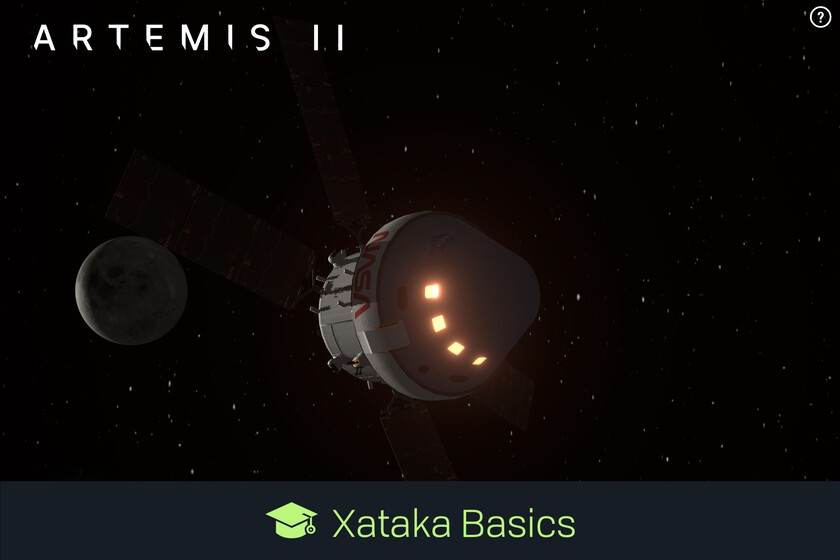
Artemis II Lunar Mission: Tracking, Updates, and the Global Space Race
The Artemis II mission has entered its return phase to Earth after completing a historic trajectory around the Moon. This mission marks a critical milestone in NASA’s lunar program, transitioning from the unmanned tests of previous phases to a crewed flight intended to validate the systems necessary for human lunar landings.
Mission Tracking and Public Access
To facilitate global monitoring of the spacecraft’s position, NASA has deployed a dedicated web interface and mobile application. These tools allow the public to track the Artemis II vehicle in real-time, utilizing a mapping system similar to Google Maps to visualize the craft’s coordinates as it navigates the return leg of its journey.
Geopolitical Context and Lunar Competition
The progress of the Artemis program occurs alongside an accelerating lunar roadmap from China. Beijing has explicitly stated that its lunar ambitions are not intended to trigger a “Star Wars” style confrontation, though the parallel development of lunar infrastructure by both the United States and China underscores a renewed era of space competition.
Domestic Reception and Public Response
The launch and progression of Artemis II have triggered varied reactions on social media. In Spain, the mission sparked a public debate after television personality Jesús Calleja drew criticism for displaying the Spanish flag following the launch, highlighting how the international nature of space exploration often intersects with nationalistic sentiment on the ground.
Next Steps in the Artemis Sequence
The successful reentry and recovery of the Artemis II crew will serve as the final verification step before NASA attempts a crewed lunar landing. The agency’s current operational focus remains on the safe return of the astronauts and the analysis of the data gathered during the lunar flyby.