
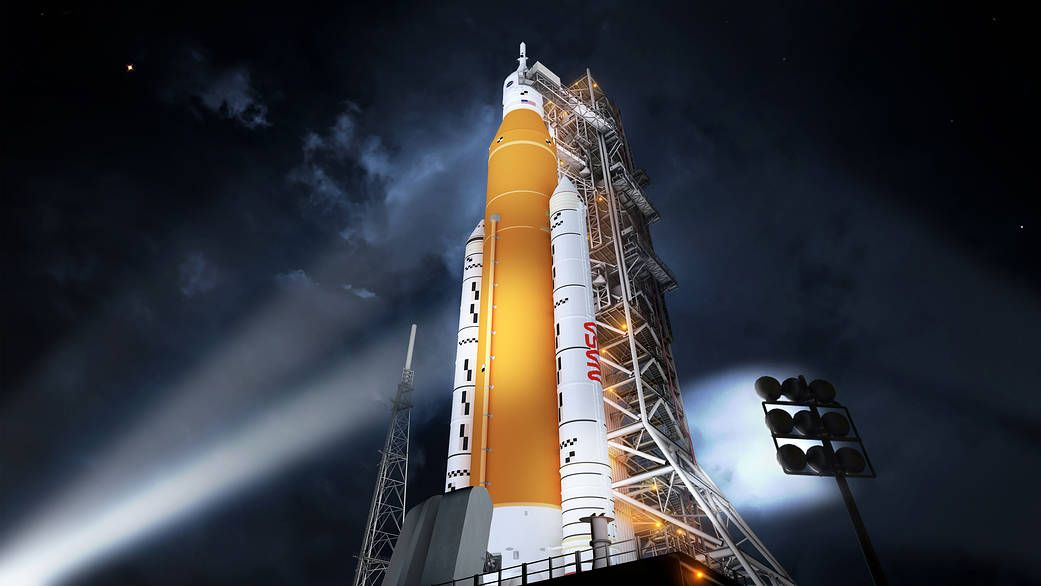
As early as February 6, NASA is poised to send humans around the moon with its Artemis 2 mission, marking a significant step in returning humans to lunar orbit for the first time in over 50 years. This mission isn’t just about revisiting the moon; it’s a crucial stepping stone towards establishing a sustained lunar presence and, ultimately, sending humans to Mars.
Artemis 2: A Crewed Test Flight Around the Moon
The Artemis 2 mission is the first crewed flight in NASA’s ambitious Artemis Program. Four astronauts – Christina Hammock Koch,Reid Wiseman,Victor Glover,and Canadian Space Agency astronaut Jeremy Hansen – will embark on a 10-day journey,orbiting the moon and returning to Earth. This flight is designed to rigorously test the Orion spacecraft and Space Launch System (SLS) rocket, ensuring their readiness for the more complex Artemis 3 mission.
The Road to Launch: Preparations and Challenges
currently, NASA is finalizing preparations for the rollout of the SLS rocket. The agency anticipates moving the massive rocket and Orion spacecraft to the launch pad at the Kennedy Space Center in Florida as early as Saturday, January 17th. This is a complex undertaking,given the rocket’s immense size – standing at 322 feet (98 meters) tall,it surpasses the height of the Statue of Liberty. The 4-mile journey from the Vehicle assembly Building to the launch pad is expected to take up to 12 hours.
While the current launch window is set between February 5th and April 2026, NASA acknowledges the possibility of delays, a common occurrence in spaceflight. Recent troubleshooting has focused on addressing leaks in ground support hardware essential for supplying Orion with oxygen, highlighting the meticulous attention to detail required for crew safety. A “wet dress rehearsal” – a full fueling and countdown simulation – is planned for late January to validate all systems before the actual launch.
Understanding the Space Launch System (SLS)
The SLS rocket is a cornerstone of the Artemis program, designed for deep-space missions. it’s the most powerful rocket NASA has ever built, capable of generating 8.8 million pounds of thrust. The rocket’s core stage stands 212 feet tall and is fueled by liquid hydrogen and liquid oxygen. The SLS is not a single rocket, but a series of progressively more powerful versions, designed to accommodate the evolving needs of the Artemis missions.
Beyond Artemis 2: The Vision for Lunar Exploration and Mars
Artemis 2 is a critical precursor to Artemis 3,planned for 2028,which aims to land astronauts – including the first woman – on the lunar surface. This mission will mark the first human footsteps on the moon in over half a century.
However,the Artemis program’s ambitions extend far beyond simply returning to the moon. NASA envisions establishing a lasting presence on the lunar surface, utilizing lunar resources to support long-duration missions. The moon will serve as a proving ground for technologies and strategies essential for the ultimate goal: sending humans to Mars. This includes developing capabilities for in-situ resource utilization (ISRU) – using lunar resources like water ice to create fuel, oxygen, and other necessities – reducing reliance on Earth-based supplies.
Why Return to the Moon?
The renewed focus on lunar exploration is driven by several key factors:
- Scientific Revelation: The moon holds clues to the early history of our solar system.
- Technological Advancement: Developing technologies for lunar missions will pave the way for more ambitious deep-space exploration.
- Economic Opportunity: Lunar resources could potentially be utilized for economic benefit.
- Inspiration and Education: Space exploration inspires future generations of scientists, engineers, and explorers.
As Lori Glaze, the acting associate administrator for NASA’s Exploration Systems Growth Mission Directorate, stated on January 9th, “We have critically important steps remaining on our path to launch and crew safety will remain our top priority at every turn, as we near humanity’s return to the Moon.” This sentiment underscores the dedication and meticulous planning that characterize the Artemis program.
