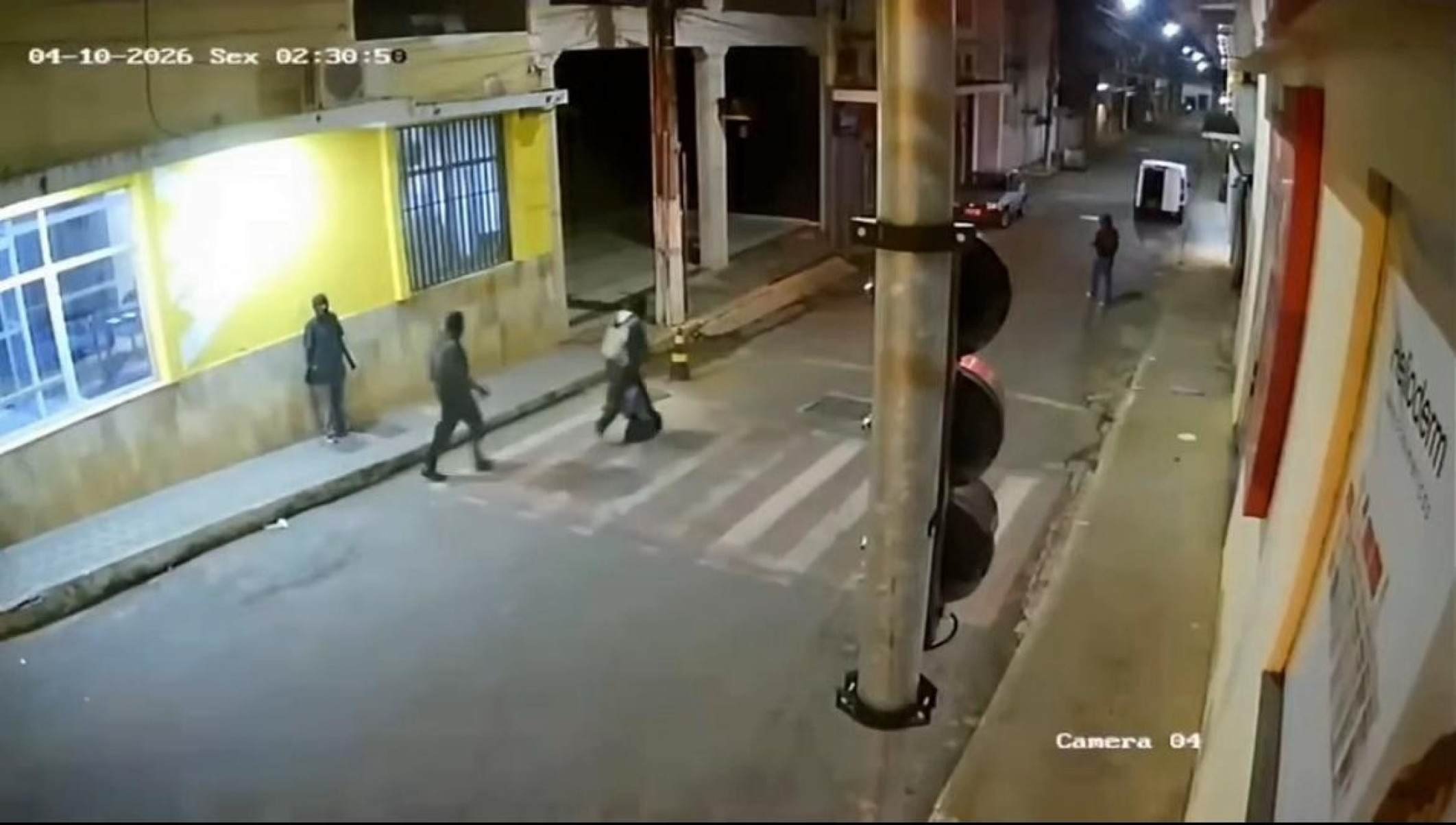
Armed Group Explodes Banco do Brasil Branch in Minas Gerais: Suspects Arrested
Armed criminals detonated a vault at a Banco do Brasil branch in rural Minas Gerais, Brazil, using high-powered explosives. The attack, part of a “Novo Cangaço” wave, resulted in three arrests and significant structural damage, highlighting a persistent security crisis in the Brazilian interior as of April 10, 2026.
This isn’t just a robbery; We see a tactical assault on the financial infrastructure of the countryside. When a vault is blown open in a compact town, the fallout extends far beyond the stolen currency. It shatters the local sense of security and leaves a physical void in the community’s economic center.
The “Novo Cangaço” (Modern Banditry) is not a random occurrence. It is a highly organized criminal methodology. These groups operate like paramilitary units, using heavy weaponry to neutralize local police and industrial-grade explosives to bypass the most sophisticated security systems. They target small-town agencies specifically as these locations often have slower response times from state security forces compared to metropolitan hubs like Belo Horizonte.
The Anatomy of the Interior Assault
The footage from this specific attack in Minas Gerais reveals a terrifying precision. The explosives were not haphazardly placed; they were targeted at the vault’s weakest structural points to ensure a breach while maximizing the psychological shock to the surrounding neighborhood. This level of coordination suggests a sophisticated supply chain for explosives, likely sourced from illegal mining operations in the Amazon or diverted from legitimate construction projects.

The aftermath of such an event creates an immediate logistical nightmare. Beyond the crime scene, the surrounding businesses suffer “collateral paralysis.” Shops close, foot traffic vanishes, and the local economy freezes.
For the affected municipality, the recovery is two-fold: physical, and psychological. Rebuilding a destroyed bank branch requires specialized structural engineering. Local governments often find themselves scrambling to find certified commercial contractors capable of handling high-security reconstructions without compromising the building’s integrity.
“We are seeing a shift where the ‘Novo Cangaço’ is no longer just about the money; it is a demonstration of power over the state. When they explode a vault in broad daylight, they are telling the community that the government cannot protect them.”
The High Cost of Financial Instability
The economic ripple effect of these attacks is profound. When a bank is destroyed, the local population loses access to basic liquidity. In rural Brazil, where digital banking is growing but cash remains king for agricultural trade, the loss of a physical branch can stall local commerce for weeks.
the insurance premiums for commercial properties in these “high-risk” zones skyrocket. This creates a secondary crisis where small business owners find it impossible to secure affordable coverage, leading to a gradual exodus of capital from the interior toward the cities.
To understand the scale of this threat, one must look at the broader trend of organized crime in the Ministry of Justice and Public Security reports. The shift toward “Novo Cangaço” reflects a professionalization of crime where the “hit” is planned with military precision, often involving intelligence gathered via social media and drone surveillance.
The legal battle following these arrests is equally complex. The three suspects apprehended in this case will likely face charges under federal laws regarding the possession of restricted explosives and organized criminal association. Navigating these charges requires a rigorous defense, leading many suspects to seek out specialized criminal defense attorneys who understand the nuances of federal jurisdiction in Brazil.
The Security Gap: Why Vaults are Still Failing
Why does this keep happening? The answer lies in the gap between urban security upgrades and rural stagnation. While major banks in São Paulo or Rio de Janeiro use biometric scanners and seismic sensors, rural branches often rely on older vault models that are vulnerable to modern thermobaric or chemical explosives.
This vulnerability is a systemic failure. It invites the “predatory” nature of the New Banditry. The criminals grasp exactly which models of safes are being used in these regions. They aren’t guessing; they are auditing.
This creates a desperate require for updated security audits. Businesses in the region are now turning to private security consultants to implement “layered defense” strategies—moving away from the idea that a thick steel door is enough and toward active monitoring and rapid-response protocols.
Jurisdictional Challenges in Minas Gerais
Minas Gerais is a sprawling state with a complex geography that favors the fugitive. The vast network of rural roads allows these gangs to enter and exit a town in minutes, often crossing state lines before the first police report is even filed. The coordination between the Military Police and the Federal Police is critical, yet often hampered by bureaucratic silos.
The impact on local infrastructure is not limited to the bank. The explosions often rupture gas lines or damage electrical grids, leading to prolonged blackouts in the surrounding blocks. This infrastructure fragility makes the recovery process even more grueling for the local municipality.
According to data from the Associated Press regarding Latin American crime trends, the professionalization of these gangs is often linked to the overflow of larger cartels who use these rural heists to fund larger operations or “wash” their tactical expertise.
“The recovery of a town after a ‘Novo Cangaço’ attack isn’t measured in days, but in the restoration of trust. The physical rubble is easy to clear; the fear is much harder to remove.”
The arrests of three suspects are a victory, but they are a tactical victory, not a strategic one. As long as the profit margin of a vault explosion outweighs the risk of capture, these attacks will continue to evolve.
The real solution lies in a fundamental shift in how rural financial hubs are protected. We are moving toward a future where the “physical vault” may become an obsolete liability. The transition to cashless, branchless banking is no longer just a convenience—it is a security imperative for the survival of the rural economy.
As the dust settles in Minas Gerais, the community is left to pick up the pieces. Whether it is rebuilding a shattered wall or restoring a broken sense of peace, the path forward requires verified expertise. From the structural engineers who must ensure the building won’t collapse to the legal experts managing the fallout, the need for vetted, professional intervention has never been more urgent. Finding these reliable partners through the World Today News Directory is the only way to ensure that the reconstruction is built on a foundation of permanence, not just a temporary patch.