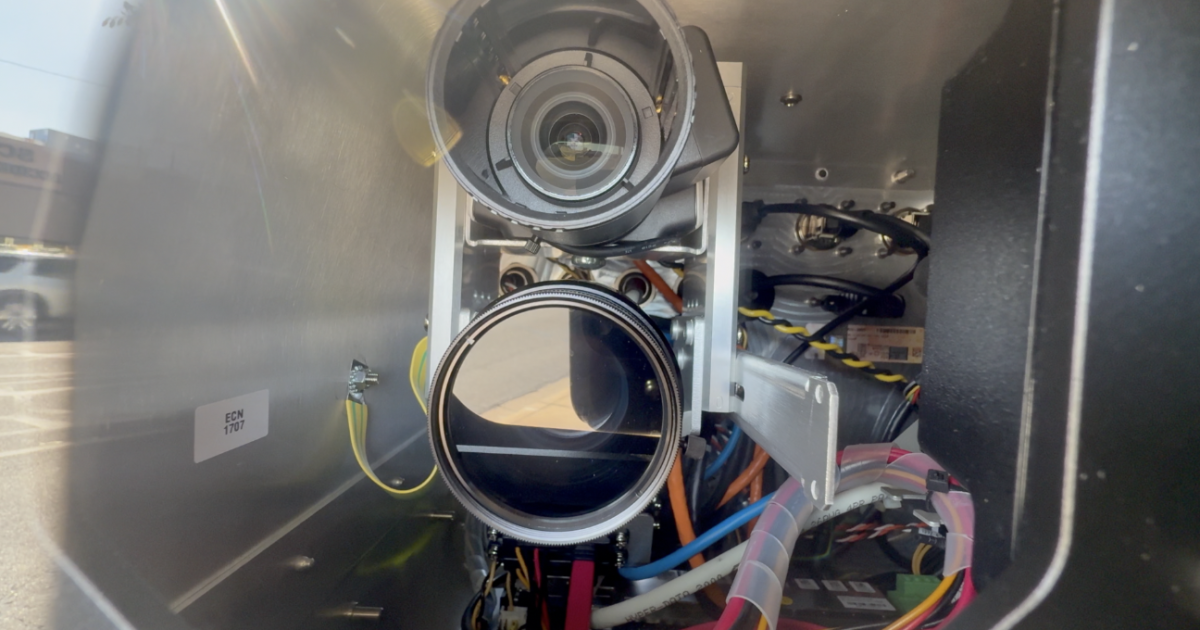
Arizona Prop 319: Voters to Decide Future of Traffic Cameras
Arizona voters will decide this November whether to place sweeping new restrictions on speed and red-light cameras across the state through Proposition 319. According to reporting by [Source], the ballot measure would require local governments to secure voter approval to maintain existing photo enforcement programs and permanently ban new contracts after December 31, 2026.
The Mechanics of Proposition 319 and Local Enforcement Contracts
If approved by voters, Proposition 319 will fundamentally alter how municipalities and state agencies deploy automated traffic technology. Under the proposed statute, any local government operating a qualifying photo-enforcement contract must place the program on the ballot at the next general election. If voters approve the continuation, the program may run for a maximum of 10 years before requiring another mandatory reauthorization vote. Should the electorate reject the system, the municipality faces a strict 90-day window to completely dismantle and cease operating the technology.
Beyond existing systems, the measure establishes a hard cutoff for future deployments. According to the text of Proposition 319, state agencies and local authorities are prohibited from using photo enforcement systems unless they possess a signed operational contract dated on or before December 31, 2026. Communities without a qualifying contract by this deadline lose the legal mechanism to ever implement a new speed or red-light camera program in the future.
Arguments Over Privacy, Surveillance, and Roadway Safety
Supporters of the ballot measure argue that automated ticketing systems infringe upon personal privacy and expand government surveillance capabilities. Tempe resident Marilyn Rodriguez, a vocal advocate for Prop 319, emphasizes that citizens deserve a direct voice in the policing technologies deployed on local streets.
Conversely, public health advocates and municipal planners warn that restricting automated enforcement will degrade long-term road safety. Will Humble, executive director of the Arizona Public Health Association and former director of the Arizona Department of Health Services, raised significant concerns regarding the permanent ban on future programs. Humble stated that freezing out growing municipalities from adopting photo enforcement could tie the hands of communities facing traffic safety challenges decades into the future. According to Humble, visible cameras alter dangerous driver habits because motorists know they can’t get away with it,
and those behavioral shifts ultimately prevent fatal crashes.
Assessing the Statewide Impact Ahead of the November Vote
The upcoming November decision arrives at a pivotal juncture for municipal governance and automated traffic management across Arizona. As the election approaches, voters must weigh the immediate preservation of local traffic oversight against the permanent statewide restriction on future photo-enforcement infrastructure.