Ariana Grande’s Petal album drops July 31 with growth theme
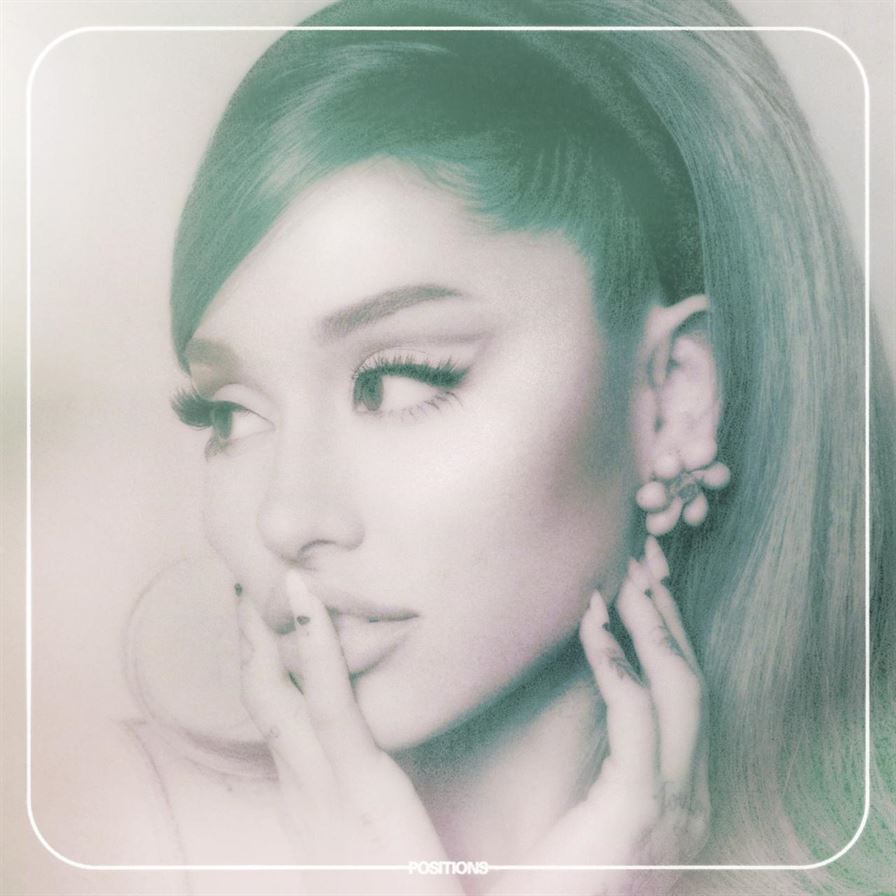
The cover art for *Petal* features a single bloom emerging from a crack in concrete, an image that aligns with Grande’s recent discussions about perseverance. The album, executive produced with longtime collaborator Ilya, follows *Eternal Sunshine*—her 2024 chart-topper—and arrives amid a series of projects that have expanded her public identity. Yet *Petal* isn’t merely a continuation of past work. It marks her first full-length musical statement since her last major tour in 2019, a period during which she has taken on high-profile film roles, earned industry recognition, and suggested in interviews that her career trajectory is evolving.
The Metaphor That Holds a Career
Grande has described *Petal* as representing growth emerging from difficult circumstances, a theme she has revisited in recent years. This concept aligns with the tone of *Eternal Sunshine*, an album that included tracks exploring emotional complexity. While that project reflected a period of reflection, *Petal* appears to focus on what comes after—less about past struggles and more about the process of moving forward.
This isn’t the first time Grande has used natural imagery to frame her work. Her 2019 tour, *Sweetener*, referenced finding positivity in adversity. *Petal* builds on that idea, with a title that suggests both fragility and strength. The duality mirrors her recent career moves: the technical precision of her vocal performances alongside the scale of her Hollywood projects. The album’s July 31 release date positions it between her upcoming summer tour—her first since 2019—and the *Wicked: For Good* sequel, reinforcing that her musical output has continued, though in a different form.
In interviews, Grande has spoken about the intensity of the past decade, noting that her approach to creativity is changing. She mentioned in a podcast last year that the coming years would differ from the relentless pace of her earlier career. The tour she’s launching in June, she suggested, might be her last for an extended period. Her phrasing conveyed a sense of transition, as if she were stepping away from the metrics that once defined her success.
From Pop Stages to Film Sets: The Parallel Tracks of a Reinvention
Grande’s shift into acting wasn’t a departure from her musical roots but an expansion of her artistic range. The *Wicked* franchise, where she plays Glinda, has achieved significant commercial success, demonstrating her ability to translate pop stardom into a different kind of cultural impact. The films also provided an opportunity to explore themes of personal growth through a new medium, with Glinda’s character arc reflecting ideas Grande has addressed in her music.
Her film work hasn’t diminished her musical influence. *Eternal Sunshine* debuted at No. 1 on the Billboard 200 in 2024, proving her commercial appeal remained strong even as she balanced acting commitments. However, the album’s deluxe edition in 2025 felt like a conclusion rather than a new chapter. *Petal* arrives as her first full-length project since then, with its timing suggesting a deliberate shift in focus. The summer tour, originally tied to *Eternal Sunshine*, now serves as a transition between two phases of her career: the artist who dominated arenas and the one navigating the demands of Hollywood.
This duality is evident in her upcoming projects. After *Petal*, she is set to appear in *Focker-In-Law*, a *Meet the Parents* spinoff, alongside Ben Stiller and Robert De Niro, a role that highlights her comedic skills. She is also scheduled for a West End debut in *Sunday in the Park with George* and voice work in an animated adaptation of *Oh, the Places You’ll Go!*. These moves indicate a career that continues to grow, though on her own terms. The album’s themes may explore how this expansion intersects with her musical foundations.
Ilya’s involvement in *Petal* provides insight into its direction. The producer, known for blending pop hooks with emotional depth, has worked with artists like Taylor Swift and Sam Smith. His collaboration with Grande on *Eternal Sunshine* demonstrated a balance between commercial appeal and introspective songwriting. While details about *Petal*’s tracklist remain limited, the album has been described as more organic and growth-focused, suggesting a move away from the maximalist production of her earlier work. If *Eternal Sunshine* was about emotional release, *Petal* may focus on consolidation—what it means to build anew.
The Tour as a Turning Point
Grande’s summer tour, beginning June 6 in Oakland, serves as more than a promotional effort for *Petal*. It represents a deliberate statement. She has indicated it might be her last for an extended period, acknowledging how her career priorities have shifted. The tour was announced last August, when her film work was still a major focus. Framed as a “small tour”—relative to her stadium-filling past—it suggests a scaling back, an opportunity to reconnect with her musical identity before moving into the next phase of her career.
The tour’s setlist may offer clues about *Petal*’s direction. If *Eternal Sunshine* tracks like “yes, and?” and we can’t be friends (wait for your love)
are included, they would likely share the stage with newer material reflecting the album’s themes. Beyond the music, the tour provides a chance for Grande to shape the narrative around her artistic evolution, emphasizing that her career isn’t defined by a choice between music and film but by a continuous process of growth.
This continuity is what makes *Petal* significant. It bridges two eras—one marked by the relentless pace of pop stardom, the other by a more deliberate approach to reinvention. The album’s cover art, with its single bloom breaking through concrete, visually represents this transition. It doesn’t declare triumph but acknowledges the quiet persistence of growth.
What *Petal* Signals About What Comes Next
Grande’s career has been defined by adaptability, but *Petal* suggests a shift in how she defines success. The past decade was about proving her versatility across industries—music, film, and stage projects. The next phase, as she has hinted, may prioritize creative freedom over traditional benchmarks. This change is reflected in the album’s rollout, which lacks the grand media campaigns of her earlier releases. Instead, *Petal* arrives with a measured confidence, as if the work itself is the focus.
The pre-order options—vinyl, CD, cassette, and a direct-to-consumer LP variant—indicate an artist thinking beyond streaming metrics, emphasizing music as a tangible, enduring experience. What remains uncertain is how *Petal* will be received in an industry that often views reinvention as a risk. Grande’s film work has earned critical praise but has also distanced her from the rapid release cycles that defined her early career. The album’s success may depend on whether audiences embrace this new direction, where the stakes are creative as much as commercial.
Ultimately, *Petal* isn’t just an album. It raises a question: Can an artist who has expanded her reach return to the core of her craft without losing what made her a star? The answer may lie in the imagery she has chosen—the idea of growth emerging from challenges she has navigated throughout her career.