Arady Misr Launches Egypt’s First Fractional Land Investment Platform
Arady Misr is launching Arady Shares, Egypt’s first fractional land investment platform, allowing individuals to purchase land ownership in increments as small as one square metre. The company announced the initiative, aiming to democratize access to high-value real estate assets through a professionally managed Real Estate Investment Fund.
Large tracts of land require massive capital outlays, often limiting ownership to institutional investors or wealthy families. This creates a liquidity gap where vast amounts of underutilized land sit idle because owners lack development capital, while millions of potential investors lack a way to enter the market.
Arady Shares attempts to bridge this gap by converting physical land into digital, fractional shares. This shift transforms a static asset into a liquid one.
How does the Arady Shares investment model work?
The platform operates through a Real Estate Investment Fund developed in partnership with a leading Egyptian asset management firm. According to Arady Misr, the fund is subject to approvals from the Financial Regulatory Authority (FRA) to ensure compliance with national financial laws.
The process follows a specific pipeline: Arady Misr identifies underutilized land, conducts rigorous due diligence, and lists the asset on the platform. Investors then purchase fractional stakes. Once the land is funded, it is presented to real estate developers for project execution. Returns are generated from both the appreciation of the land’s value and the profits from the subsequent development, which are distributed to shareholders based on their ownership percentage.
Because this model introduces complex ownership structures, many landowners are currently engaging [Real Estate Law Firms] to ensure their titles are clear before submitting properties for evaluation.
“Arady Shares is designed to expand access to land investment by allowing individuals to participate through fractional ownership. For the first time in Egypt, anyone will be able to invest directly in land starting from just one square metre, opening access to one of the country’s most valuable asset classes to millions of Egyptians.”
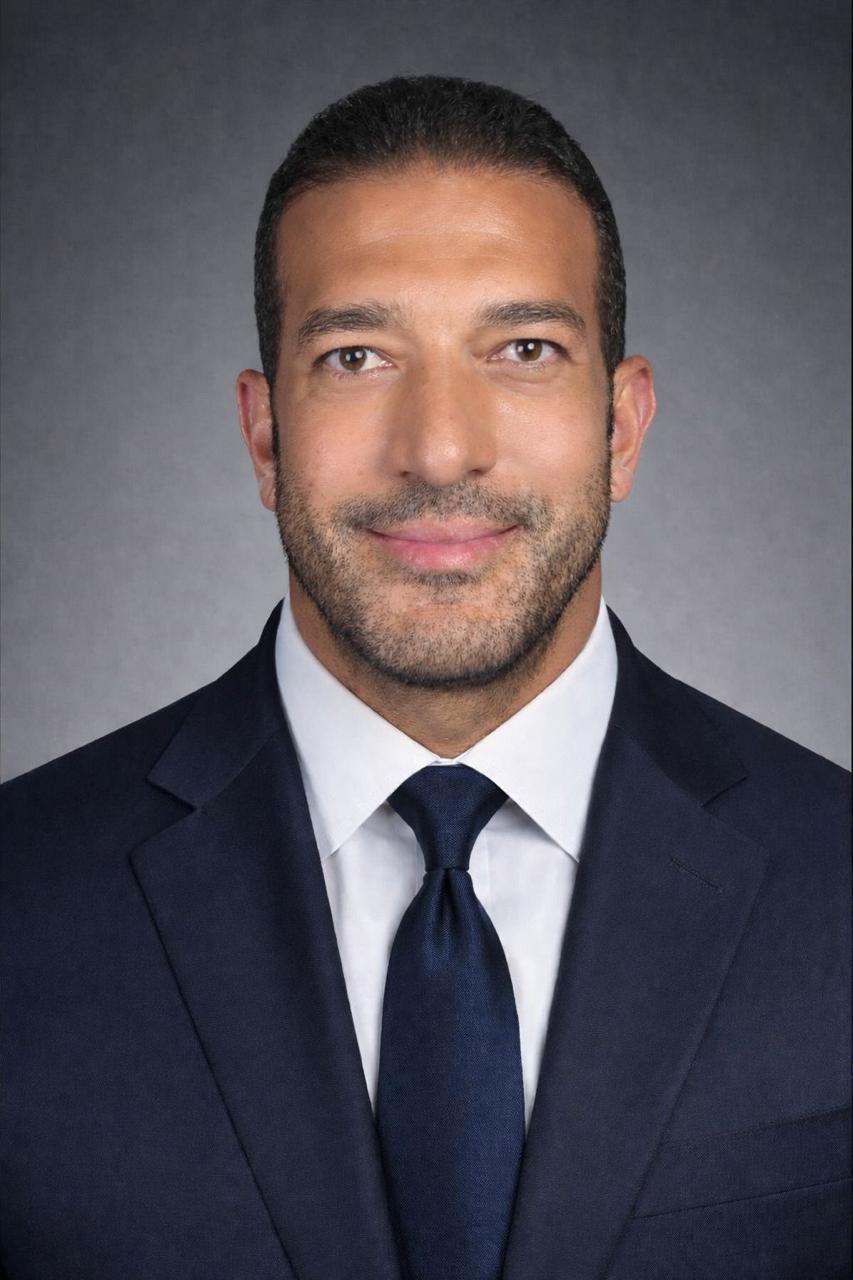
— Hamed El Tahhan, Founder and CEO of Arady Misr
What criteria are used to select land for the platform?
Arady Misr is not listing every property. The company is currently inviting owners of underutilized land across Egypt to submit properties via its website for a multi-stage vetting process.
The company stated that every submission undergoes a comprehensive evaluation including:
- Technical and Legal Due Diligence: Verifying ownership deeds and boundary accuracy.
- Planning Analysis: Assessing zoning laws and municipal restrictions.
- Highest-and-Best-Use Analysis: Determining the most profitable development path for the specific plot.
- Site Inspections: Physical verification of the land’s condition.
To power these evaluations, the company utilizes artificial intelligence, geospatial analytics, and proprietary real estate data. This technological layer reduces the risk for the fractional investor by filtering out low-potential plots before they ever reach the marketplace.
Why is this significant for the Egyptian economy?
By unlocking “underutilized” land, Arady Misr is effectively increasing the supply of development-ready land without requiring developers to commit massive upfront capital for acquisition.

This creates a symbiotic relationship: landowners monetize idle assets, small investors build wealth, and developers can scale projects faster. However, the success of this model depends heavily on the transparency of the exit mechanisms. Investors need to know exactly how and when they can liquidate their “square metre” of land.
As these fractional funds grow, the demand for precise land surveying and valuation will spike. Many participants are now seeking [Certified Land Surveyors] to verify their holdings before entering the digital marketplace.
What are the risks and regulatory hurdles?
The primary hurdle is the regulatory approval from the FRA. In Egypt, real estate investment funds are strictly monitored to prevent speculative bubbles and ensure investor protection. The “institutional governance” mentioned by Arady Misr is a direct response to the need for risk management in a market that has historically been dominated by informal agreements.

Furthermore, the transition from fractional ownership to actual physical development requires a seamless hand-off to developers. If a project stalls, the fractional owners remain tied to the land. This necessity for professional oversight makes the role of [Asset Management Consultants] critical in managing the fund’s portfolio.
The platform’s ability to scale will depend on whether it can maintain a steady pipeline of high-quality land that appeals to both the retail investor and the institutional developer.
The democratization of land ownership is a bold step toward financial inclusion in North Africa. By breaking a single plot of land into thousands of digital pieces, Arady Misr is betting that the collective power of small investors can outperform the traditional monopoly of land barons. Whether this leads to a surge in urban development or a new era of speculative trading remains to be seen, but the infrastructure for a more inclusive real estate market is now in place. For those looking to navigate the legalities of these new investment vehicles, finding verified professionals through the World Today News Directory is the safest way to ensure a secure entry into the Egyptian market.