Arab Region Urged to Integrate Water, Energy Planning to Break Climate Feedback Loop
The Arab region must integrate water and energy planning to address rising temperatures and supply risks, according to a joint report presented at the 2026 UN Water Conference.
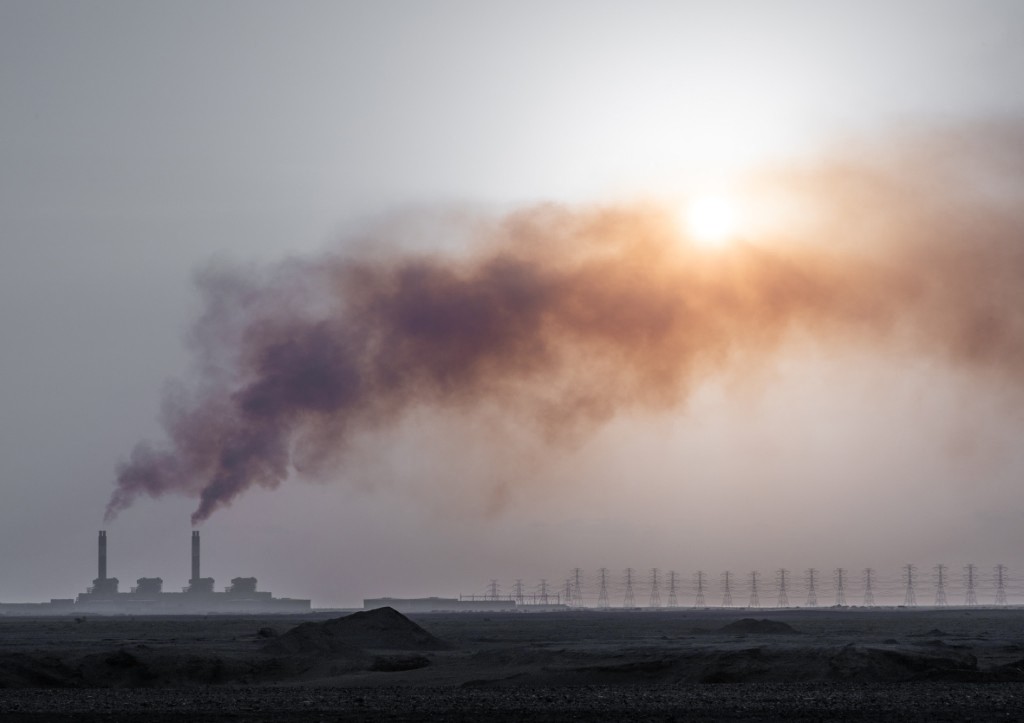
Water and energy in the Arab region function as a single system, where increasing heat drives higher demand for desalination, which in turn consumes fossil fuels and accelerates climate change, Fanack Water reported. The report, submitted alongside the Earth Resilience Institute and the Arab Forum for Environment and Development (AFED), warned that policies treating these as separate issues risk locking nations into cycles of rising costs and environmental degradation. A photograph from the report shows smoke emitting from a seawater desalination plant in Jizan Province, Jizan, Saudi Arabia, illustrating the reliance on fossil fuels.
“Water security and energy security can no longer be planned separately,” the contributors said.
The organizations urged investors and development banks to evaluate every water project for its energy source, lifetime emissions, and impact on future consumption. They said that desalination plants currently face vulnerabilities from sea pollution and the discharge of salt, which harms marine biodiversity. The report specifies that the sea is prone to disruption from accidents or war, and that the growing quantity of salt discharged by desalination has severe impacts on seawater and biodiversity.
To align with the UNFCCC transition away from fossil fuels, the report proposed that national water strategies explicitly state how they will meet energy needs using renewable sources. The report said that renewable-powered desalination, efficiency, the treatment, recycling and reuse of used water, and demand management should be treated as part of the energy transition, not only as water measures.
“The water commitments made at this Conference should connect to both,” the report said.
Proposed measures include the creation of shared regional water networks—modeled after interconnected electricity grids—and the introduction of a Water Efficiency Label for products to indicate “virtual water content.” The groups also called for open, independent data sharing to standardize planning across the Middle East and North Africa.
The Arab region is positioned to lead this shift, according to the report. “The Arab region feels these pressures earlier and more strongly than most regions,” the authors wrote. “This also gives it the opportunity to lead.”