
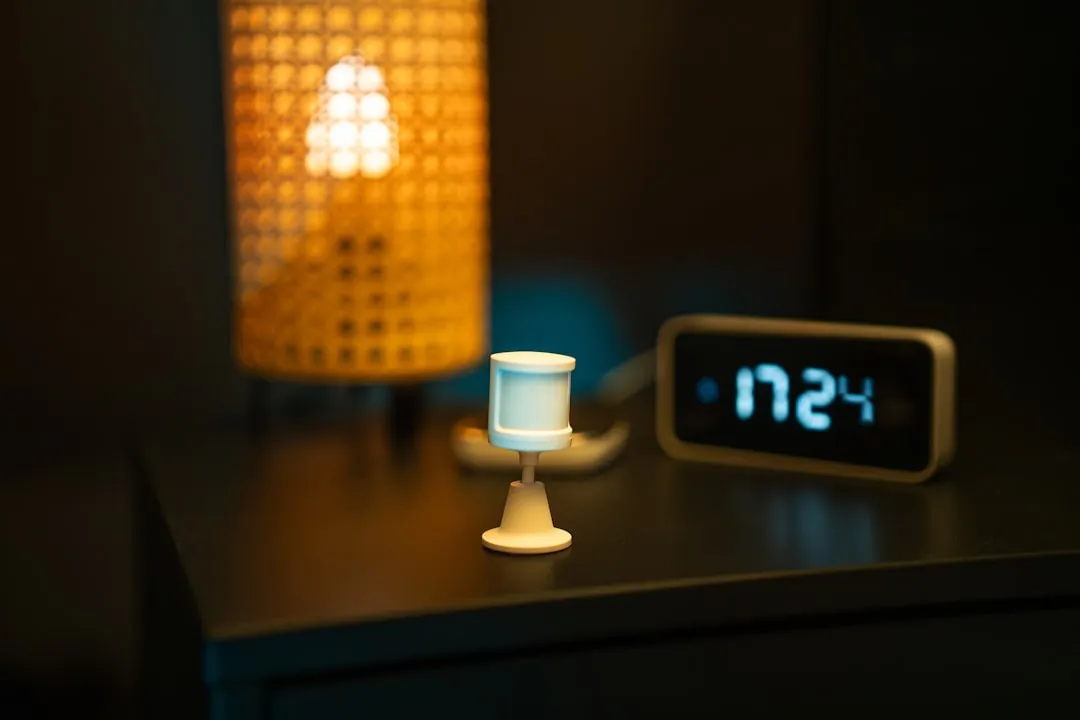
Aqara Thermostat Hub W200: Smart Climate Control and Apple Integration Guide
Aqara is attempting to solve the “dumb thermostat” problem by leaning hard into the Apple ecosystem. The W200 isn’t just another temperature dial; it’s a play for systemic energy orchestration via Apple’s Adaptive Temperature and Clean Energy frameworks. But for the power user, the question isn’t about the UI—it’s about the protocol overhead and the security of the edge gateway.
The Tech TL;DR:
- Eco-System Lock-in: Deep integration with Apple Home and “Clean Energy” routing allows the W200 to shift HVAC loads based on grid carbon intensity.
- Protocol Shift: Moves beyond basic Zigbee/Matter implementations to provide more granular telemetry for home automation.
- The Edge Risk: Adding another IoT node increases the attack surface for lateral movement within a home network, necessitating strict VLAN isolation.
The fundamental friction in smart climate control has always been the latency between the sensor’s trigger and the HVAC’s response, compounded by the “cloud-dependency” death spiral. When your thermostat requires a round-trip to a server in another hemisphere just to kick on the AC, you aren’t running a smart home; you’re running a remote-controlled appliance. The W200 attempts to mitigate this by leveraging local execution through the Apple HomeKit framework, ensuring that the logic resides on the local hub rather than a distant API endpoint.
However, from a security architecture perspective, every new endpoint is a potential vector. While Aqara claims robust encryption, the reality of consumer IoT is that firmware updates are often sporadic. For those deploying these in high-value residential environments, the move is to isolate these devices. We are seeing a surge in homeowners hiring managed network specialists to implement mDNS reflection and dedicated IoT VLANs to prevent a compromised thermostat from sniffing traffic on a primary workstation.
The Stack & Alternatives: W200 vs. The Field
To understand where the W200 sits, we have to look at the competition not by “features,” but by the underlying tech stack. Most competitors are still clinging to proprietary clouds or rudimentary Matter-over-WiFi implementations that suffer from intermittent sleep-cycle latency.

Comparative Analysis: Climate Control Architectures
| Feature | Aqara W200 | Ecobee Premium | Nest Learning Thermostat |
|---|---|---|---|
| Primary Protocol | Matter / HomeKit | Proprietary / Alexa / Google | Google Home / Matter |
| Energy Logic | Apple Clean Energy API | Internal Algorithm | Google Energy Shift |
| Local Execution | High (via Home Hub) | Moderate | Low (Cloud Heavy) |
| Privacy Model | Edge-first (HomeKit) | Cloud-centric | Cloud-centric |
The W200’s advantage is its adherence to the Connectivity Standards Alliance (CSA) Matter specifications. By decoupling the hardware from the cloud, Aqara is essentially shipping a “thin client” for the Apple Home ecosystem. This reduces the “blast radius” of a vendor-side outage—if Aqara’s servers go dark, your heat still works since the logic is cached on your Apple TV or HomePod.
“The industry is finally moving away from ‘Cloud-First’ to ‘Local-First.’ The W200 is a symptom of this shift. The goal is no longer just connectivity, but deterministic latency. If a sensor triggers, the actuator must respond in milliseconds, not seconds.” — Marcus Thorne, Lead IoT Architect at OpenHome Systems
Implementation Mandate: Automating the Energy Shift
For the developers in the room, the real value isn’t the physical dial—it’s the ability to trigger climate shifts based on external telemetry. While the W200 handles the hardware, you can orchestrate the logic via Homebridge or Home Assistant. If you are attempting to poll the state of a Matter-enabled device to trigger a secondary script (like shutting down a server rack if the HVAC fails), you’ll likely be interacting with a REST API or a MQTT broker.
Example cURL request to trigger a climate scene via a local Homebridge API endpoint:
curl -X POST http://homebridge.local:8582/api/accessories/W200_Thermostat/set -H "Content-Type: application/json" -d '{"value": {"targetTemperature": 21, "mode": "heat", "energySaving": true}}'This level of granular control is why CTOs are increasingly treating “Smart Home” tech as “Edge Computing.” When you scale this to a multi-unit residential complex, you aren’t managing gadgets; you’re managing a distributed fleet of sensors. This is where the complexity spikes, and where firms often bring in specialized software integration agencies to build custom dashboards that aggregate this telemetry into a single pane of glass.
The Security Post-Mortem: SoC and Surface Area
Looking at the hardware, the W200 utilizes a low-power ARM-based SoC designed for minimal thermal output. However, the “Adaptive Temperature” feature requires constant polling of external data—specifically carbon intensity metrics from the grid. This creates a persistent outbound connection. In a hardened environment, this is a red flag. If the device is not properly segmented, an attacker could potentially use the W200 as a pivot point to access other devices on the network.
According to the MITRE CVE database, IoT devices with integrated hubs are frequent targets for buffer overflow attacks due to poorly implemented network stacks. To mitigate this, enterprise-grade home setups should employ a “Zero Trust” architecture. This means the thermostat is treated as an untrusted guest, with its traffic strictly limited to the Home Hub and the necessary external API endpoints.
For those who aren’t comfortable configuring firewall rules and VLAN tags, the risk is non-trivial. This proves highly recommended to engage cybersecurity auditors to perform a basic network audit after deploying a fleet of IoT devices, ensuring that no “leaky” ports are exposing the internal network to the public web.
The Aqara W200 is a sophisticated piece of hardware, but its brilliance is dependent on the infrastructure surrounding it. It represents the transition of the thermostat from a simple switch to a node in a larger, energy-aware compute cluster. As we move toward 2027, the “smart” part of the home will either become invisible and secure, or a liability that requires a full-time sysadmin. If you’re building the former, start with the network layer, not the gadget.
Disclaimer: The technical analyses and security protocols detailed in this article are for informational purposes only. Always consult with certified IT and cybersecurity professionals before altering enterprise networks or handling sensitive data.