
Apple iPhone Ultra Design Rumors: Foldable Phone Similarity to iPhone
Apple’s Foldable iPhone Ultra Design Sparks Industry Debate Over Huawei’s Similarity
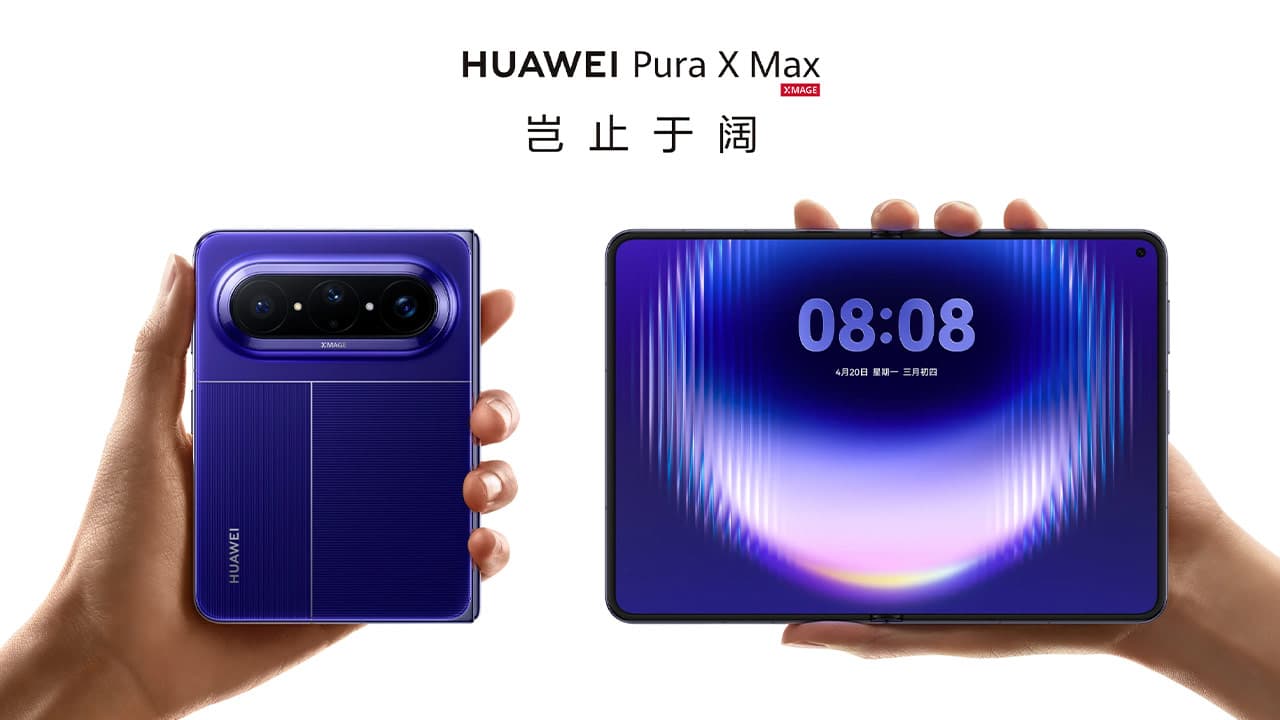
Apple’s upcoming foldable iPhone Ultra, revealed in a leaked video, shares design elements with Huawei’s Pura X Max, prompting speculation about competitive innovation strategies. The device’s 4:3 aspect ratio, pill-shaped camera layout, and crease-free display technology highlight a shift in smartphone form factors, with implications for supply chain dynamics and market positioning.

Design Convergence: Huawei and Apple’s Foldable Strategies
The leaked video comparing the iPhone Ultra to Huawei’s Pura X Max underscores a growing trend in foldable phone aesthetics. While both devices feature wide aspect ratios and pill-shaped camera modules, the iPhone Ultra’s design borrows from the iPhone Air’s camera island, diverging from Huawei’s budget-friendly approach seen in the Nothing A series. This juxtaposition raises questions about design originality and competitive differentiation in the premium foldable segment.
According to the NewsBytes report, the iPhone Ultra’s outer and inner displays are smaller than Huawei’s Pura X Max, suggesting Apple’s focus on compactness despite the foldable form factor. This design choice could influence user experience metrics, particularly for media consumption and multitasking scenarios.
Technical Specifications: A20 Pro Chip and Display Innovation
The iPhone Ultra is expected to be powered by Apple’s A20 Pro chipset, fabricated on TSMC’s 2nm process. This represents a 15% performance improvement and 30% efficiency gain over the A19 Pro chip in the iPhone 17 Pro Max. The device’s 5.5-inch OLED outer display and 7.8-inch inner panel, coupled with a 4.5-4.7mm thickness when unfolded, position it as a contender in the high-end foldable market.

Apple’s focus on crease-free technology—using ultra-thin glass, optically clear adhesive, and liquid metal hinges—addresses a critical pain point for foldable devices. This innovation could reduce repair costs and improve device longevity, directly impacting Apple’s service revenue streams and supply chain relationships with component suppliers.
Market Implications: Pricing, Competition, and B2B Ecosystems
The iPhone Ultra’s rumored pricing strategy, which may position it as the most expensive iPhone ever, signals Apple’s confidence in its premium brand equity. This could pressure competitors like Samsung and Huawei to recalibrate their pricing models, potentially triggering a realignment in the $120 billion foldable smartphone market.

For B2B stakeholders, the device’s launch necessitates strategic partnerships with display manufacturers and semiconductor foundries. Companies specializing in advanced chip fabrication and OLED panel production stand to benefit from increased demand. Additionally, enterprise IT departments may need to evaluate device compatibility with existing infrastructure, prompting engagement with consulting firms specializing in mobile device integration.
Biometric Shift: Touch ID vs. Face ID
Reports indicate the iPhone Ultra may abandon Face ID in favor of a under-display Touch ID solution to accommodate its folded design. This transition reflects a trade-off between biometric security and form factor constraints, with implications for user authentication protocols and third-party app development. Apple’s decision could influence broader industry trends, as other manufacturers weigh similar design compromises.
The shift also impacts biometric software providers