Apple HomePad Leak Reveals Photo Face Setup Feature
HomePad Setup Process Reveals Shared iPhone Duo StandBy Feature in Home App
Apple’s upcoming HomePad smart home hub will utilize a setup process housed within the Home app that introduces a Photo Face feature shared with the unannounced foldable iPhone Duo, a leaker reported. Leaker pdfu discovered the configuration workflow and accompanying screen grabs, pointing to an October 13 expected launch date for the iMac G4-inspired hardware.
HomePad Features iMac G4 Design and October 13 Release
- Core Feature: Setting up the HomePad requires configuring a Photo Face, which is the exact same StandBy screen option coming to the iPhone Duo.
- Storage Dependency: The configuration workflow pulls in high-resolution preview photos immediately while the full image library downloads from iCloud Photos.
- Hardware Context: The upcoming smart home hub is slated for an October 13 release, featuring a design styled after the iMac G4.
HomePad Setup Requires iCloud Photos for Photo Face
Previous findings in the Xcode simulator had already exposed five unannounced StandBy views for the iPhone Duo, including Photo Face. StandBy mode normally turns an idle iPhone into a data screen during charging. On the HomePad, creating a Photo Face becomes a mandatory step during initial device provisioning.
This dependency on iCloud Photos requires the hardware to establish network connectivity early in the deployment sequence. The setup routine downloads a subset of high-resolution images for immediate display selection while the background synchronization pulls down the remainder of the user’s full photo library. The missing implementation of StandBy inside previous simulator builds is reportedly explained by this shared framework between the home device and the foldable handset.
Hardware Design Expectations and Release Timeline
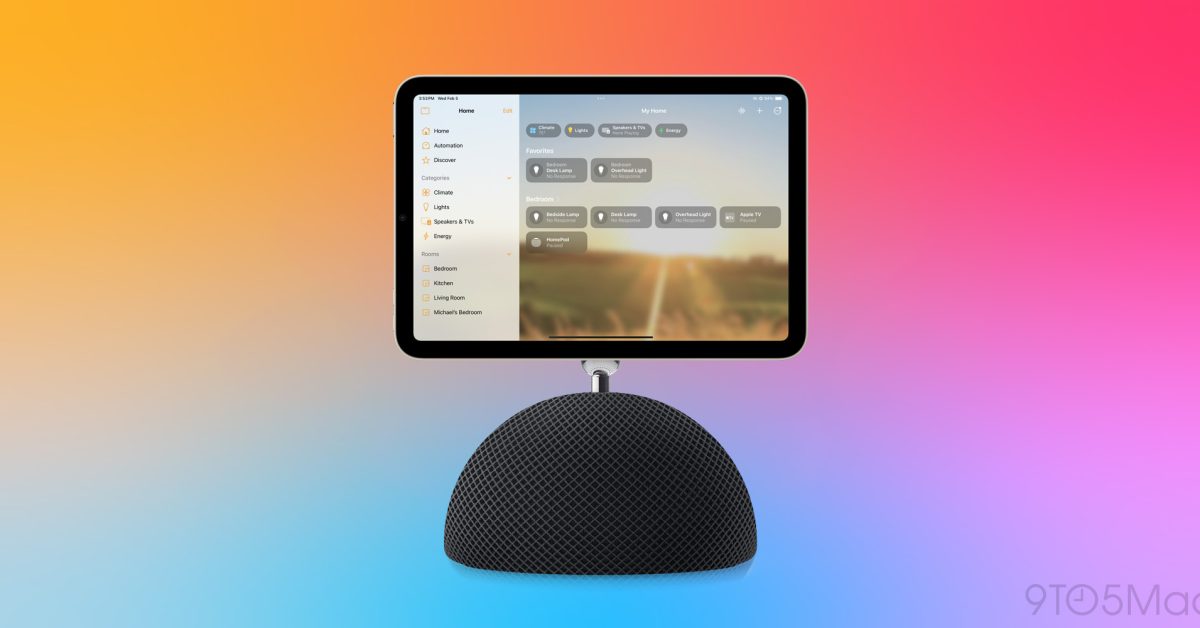
The device employs an architectural design heavily influenced by the vintage iMac G4, blending a desktop-style base with a dedicated display panel.
Disclaimer: The technical analyses and security protocols detailed in this article are for informational purposes only. Always consult with certified IT and cybersecurity professionals before altering enterprise networks or handling sensitive data.