
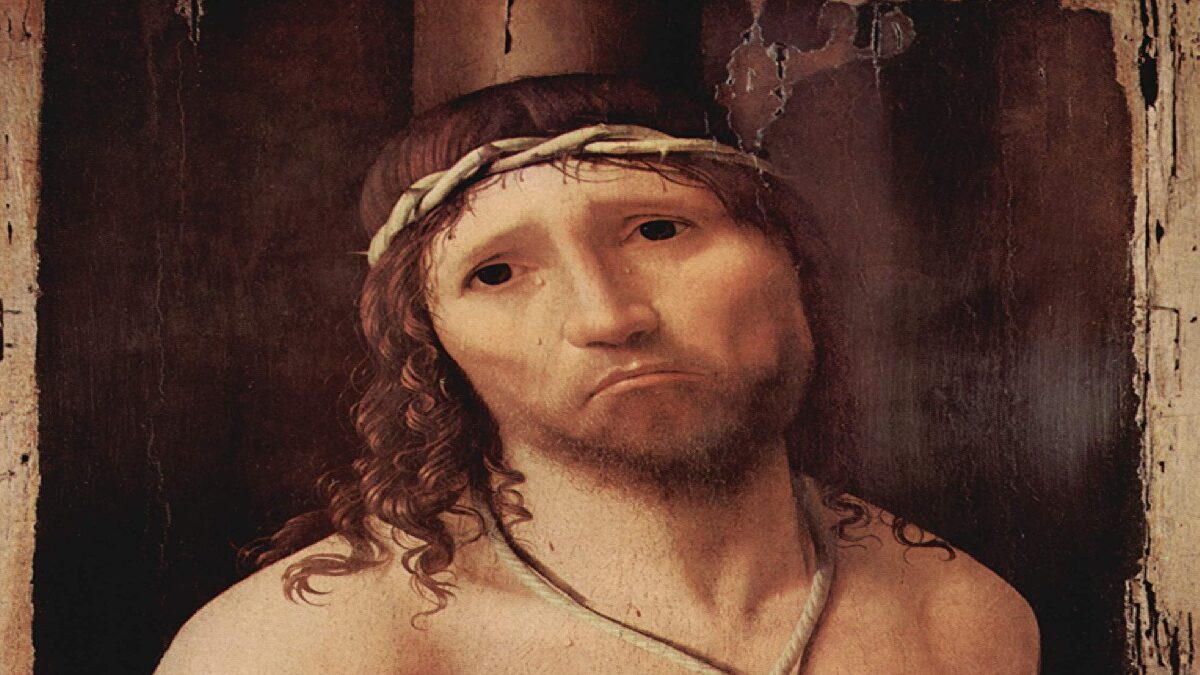
Antonello da Messina Ecce Homo Returns to Italy for Senate Exhibition
Italy Welcomes Back Antonello da Messina’s ‘Ecce Homo’ After Landmark Acquisition
The Italian state has successfully repatriated Antonello da Messina’s 15th-century masterpiece, ‘Ecce Homo,’ purchased from Sotheby’s for €12.5 million. The painting is currently on public display at the Italian Senate in Rome until April 7th, before being permanently housed in the National Museum of L’Aquila, designated Italy’s Capital of Culture for 2026. This acquisition represents a significant victory for Italian cultural heritage preservation and a complex negotiation within the global art market.
The High Stakes of Repatriation: A Cultural and Financial Reckoning
The return of ‘Ecce Homo’ isn’t simply a heartwarming tale of a national treasure coming home. It’s a potent illustration of the escalating costs – and the increasingly sophisticated strategies – involved in securing culturally significant artworks. The €12.5 million price tag, while substantial, reflects a broader trend: the commodification of artistic legacy. The Italian government’s proactive negotiation with Sotheby’s, circumventing a public auction, was a calculated move to avoid a potentially escalating bidding war. This preemptive strike highlights the growing awareness that passively allowing national treasures to circulate freely on the open market can lead to irreversible losses. The situation underscores the need for robust legal frameworks surrounding the export and sale of cultural property, a field where specialized international art law firms are becoming indispensable.
A Masterpiece in Context: Scarcity and Spiritual Weight
Antonello da Messina, a pivotal figure in the early Renaissance, left behind a remarkably small body of work – fewer than forty paintings are currently attributed to him. ‘Ecce Homo,’ depicting Christ crowned with thorns before his crucifixion, is particularly poignant. The painting’s intimate scale and the raw emotion conveyed in Christ’s face are hallmarks of Messina’s style. What’s often overlooked is the painting’s unique dual nature. The reverse side features a depiction of Saint Jerome, a devotional image that was, historically, touched and kissed by worshippers. This physical interaction imbued the artwork with a layer of spiritual significance, a tangible connection to centuries of faith. The preservation of both sides of the panel is crucial, demanding specialized conservation techniques. According to the Italian Ministry of Culture, the restoration process, overseen by leading art conservators, utilized non-invasive imaging technologies to assess the painting’s condition and guide the delicate cleaning and stabilization procedures.
“The repatriation of ‘Ecce Homo’ isn’t just about acquiring a painting; it’s about reclaiming a piece of our national identity. It’s a statement that Italy is willing to invest in its cultural heritage, not just for the present, but for generations to come.” – Alessandro Giuli, Italian Minister of Culture, speaking at the unveiling ceremony.
L’Aquila’s Cultural Renaissance: A Strategic Placement
The decision to ultimately house ‘Ecce Homo’ in L’Aquila, the city designated Italy’s Capital of Culture for 2026, is a shrewd one. L’Aquila, still recovering from the devastating 2009 earthquake, is undergoing a significant revitalization effort. The presence of a masterpiece like ‘Ecce Homo’ will undoubtedly draw tourists and investment, accelerating the city’s cultural and economic recovery. This strategic placement also aligns with a broader national initiative to decentralize cultural resources, moving away from the traditional concentration in Rome and Florence. The influx of visitors will necessitate a significant upgrade in local infrastructure, creating opportunities for hospitality management consulting firms to advise on hotel development and tourism strategies. The city is anticipating a 30% increase in tourism revenue in 2026, according to preliminary estimates released by the L’Aquila Tourism Board.
The Sotheby’s Factor: Navigating the Auction House Landscape
Sotheby’s role in this transaction is noteworthy. While the auction house ultimately facilitated the painting’s return to Italy, their initial intention was, of course, to maximize profit through a competitive auction. The Italian government’s negotiation effectively bypassed that process, demonstrating a willingness to engage directly with the market. This raises questions about the ethical responsibilities of auction houses when dealing with culturally significant artifacts. The increasing scrutiny of art market practices is leading to calls for greater transparency and regulation. The potential for disputes over provenance and ownership – a constant threat in the art world – necessitates the involvement of experienced art and antiques legal services to mitigate risk and ensure compliance. The art market is currently valued at over $65 billion globally, according to the latest report from Art Basel and UBS, highlighting the immense financial stakes involved.
The Intellectual Property Implications: Authenticity and Reproduction
Beyond the immediate acquisition, the return of ‘Ecce Homo’ also raises important intellectual property considerations. The painting’s copyright, while complex given its age, still impacts the rights to reproduce and distribute images of the artwork. The National Museum of L’Aquila will need to carefully manage these rights, ensuring that any commercial use of the painting’s image is properly licensed. The potential for forgery and unauthorized reproduction is a constant concern. Advanced authentication technologies, including X-ray analysis and pigment analysis, will be crucial in verifying the authenticity of any future copies or derivatives. The museum will likely engage with specialized intellectual property law firms to develop a comprehensive IP protection strategy.
The Future of Italian Cultural Heritage: A Proactive Approach
The successful repatriation of ‘Ecce Homo’ signals a shift in Italy’s approach to cultural heritage preservation. The government is increasingly adopting a proactive stance, actively seeking to acquire and protect national treasures before they disappear into private collections abroad. This requires not only significant financial investment but also a sophisticated understanding of the global art market and a willingness to engage in complex negotiations. The case of ‘Ecce Homo’ serves as a blueprint for future acquisitions, demonstrating the importance of strategic planning, diplomatic engagement, and legal expertise. The long-term success of this initiative will depend on continued investment in cultural institutions and a commitment to safeguarding Italy’s artistic legacy for generations to come. The World Today News Directory stands ready to connect you with the leading professionals in art law, crisis PR, and event management to navigate the complexities of this evolving landscape.