
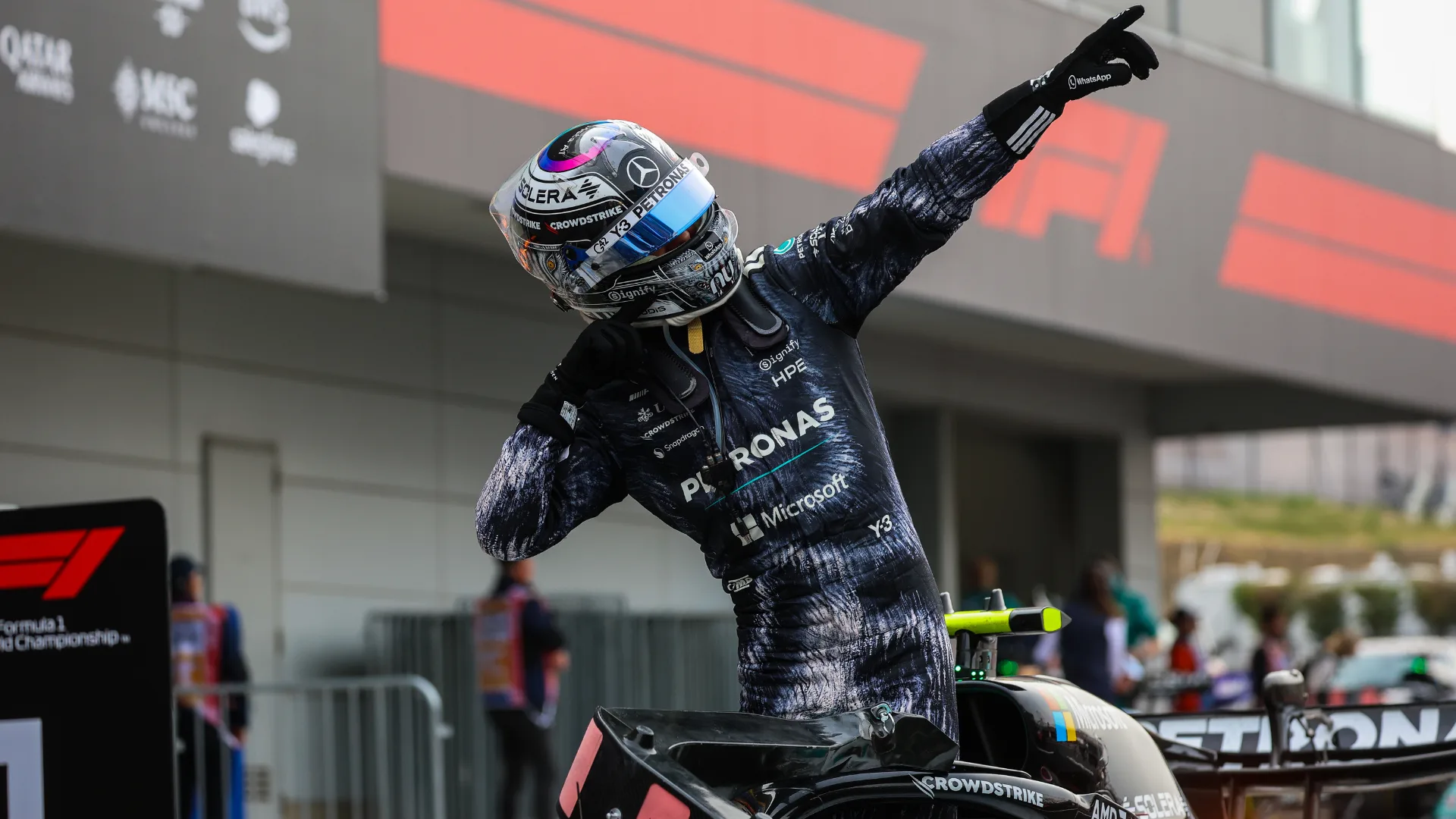
Antonelli Wins Japanese Grand Prix & Takes Championship Lead – Full Race Report
Antonelli Seizes Championship Lead with Commanding Suzuka Victory
Kimi Antonelli secured his second consecutive victory at the Japanese Grand Prix, leveraging a critical Safety Car period to overtake Oscar Piastri and Charles Leclerc. The 19-year-old Mercedes driver now leads the 2026 Drivers’ Championship with 72 points, becoming the youngest leader in history. This shift in the standings marks a definitive power struggle between the Silver Arrows and the resurgent McLaren outfit.
The narrative of the 2026 season has shifted violently in the span of 53 laps at Suzuka. Whereas Oscar Piastri demonstrated superior raw pace off the line, seizing Turn 1 ahead of the field, the race was ultimately decided by strategic variance and the chaotic intervention of Ollie Bearman’s heavy crash. Antonelli’s ability to manage the “undercut” window during the Lap 22 Safety Car deployment allowed him to emerge in P1, a position he defended with a tire management masterclass that belied his rookie status. This isn’t just a win. it is a statement of championship equity. The Mercedes W17 has found its footing, and the financial implications for the Brackley-based team are immediate, likely spiking sponsorship valuation ahead of the Miami round.
The Strategic Pivot: Tire Degradation and Delta Management
From a tactical perspective, the race hinged on the medium-to-hard compound transition. Piastri’s McLaren MCL40 showed superior initial grip, but as the race entered the second stint, tire degradation became the primary variable. Antonelli’s second stint was characterized by a consistent lap time delta, avoiding the sharp drop-off seen in the chasing pack. According to raw optical tracking data from the FIA telemetry, Antonelli maintained a sector 2 efficiency rating 0.4 seconds higher than Russell during the critical post-Safety Car phase. This efficiency allowed him to build the 13.722-second margin that insulated him from the DRS trains forming behind.
George Russell’s frustration was palpable over the team radio, specifically regarding the timing of the Safety Car relative to his pit window. “I think I’m going to lose a lot of race time extending,” Russell noted, a sentiment that underscores the high-stakes gamble of modern F1 strategy. When the yellow flags waved for Bearman’s 50G incident at Turn 13, the strategic landscape reset. Antonelli, yet to pit, gained the “free stop” advantage, a scenario that often dictates championship trajectories more than raw speed.
“The rookie composure under pressure is statistically anomalous. We are seeing a driver manage tire life with the precision of a seven-time champion, despite the chaotic variable of the Safety Car.” — Senior Technical Analyst, F1 Insider Network
Economic Ripple Effects: Suzuka and the Global Market
The impact of a Mercedes victory extends beyond the podium champagne. Suzuka, a cornerstone of the F1 calendar, relies heavily on the halo effect of competitive racing to drive regional hospitality revenue. A tight championship fight involving a marketable young talent like Antonelli drives significant engagement metrics, directly influencing broadcast rights valuations in key territories like Europe and North America. For local businesses, the influx of international fans creates a logistical vacuum that requires robust support. Franchises and event organizers are increasingly sourcing regional event security and premium hospitality vendors to manage the overflow of high-net-worth spectators attending these pivotal rounds.
Antonelli’s rise triggers complex contractual clauses within the Mercedes driver lineup. As a rookie assuming the championship lead, his performance bonuses and future option clauses become immediate talking points in the paddock. Teams navigating similar high-stakes talent acquisitions often require specialized legal counsel to structure agreements that protect long-term assets. For agencies managing young talent, securing specialized sports contract lawyers is no longer optional; it is a fiduciary necessity to navigate the labyrinth of image rights and performance incentives.
Championship Standings and Points Implications
The shift in the standings is mathematically significant. Antonelli’s 25-point haul, combined with Russell’s fourth-place finish, solidifies Mercedes’ position in the Constructors’ battle, though McLaren remains a potent threat with Piastri’s podium. The table below illustrates the tightened margin at the top of the order heading into the flyaway races.
| Driver | Team | Points | Gap to Leader |
|---|---|---|---|
| Kimi Antonelli | Mercedes | 72 | — |
| George Russell | Mercedes | 63 | -9 |
| Oscar Piastri | McLaren | 58 | -14 |
| Charles Leclerc | Ferrari | 52 | -20 |
| Lando Norris | McLaren | 45 | -27 |
Physical Toll and Medical Considerations
While the focus remains on the victors, the physical cost of the sport was highlighted by Ollie Bearman’s crash. The 50G impact serves as a grim reminder of the kinetic energy involved in modern Formula 1. While Bearman escaped without fractures, sustaining only a knee contusion, such incidents underscore the necessity of immediate, high-level medical intervention. For athletes at all levels, from F1 rookies to local competitors, the protocol for high-impact trauma is standardized but critical. Immediate access to vetted orthopedic specialists and rehab centers can determine the difference between a career pause and a career end. The Haas team’s rapid assessment and clearance protocol exemplify the gold standard in sports medicine.
Looking Ahead: The Miami Pressure Cooker
As the circus moves to the Miami International Autodrome for the May 1-3 weekend, the dynamic changes from technical precision to street-circuit aggression. Antonelli’s momentum is undeniable, but the pressure of leading the championship brings a new psychological burden. The break in April allows teams to recalibrate, but the spotlight on the youngest championship leader in history will only intensify. Mercedes must now manage the internal tension between their established star, Russell, and their surging rookie, a balancing act that requires deft management of egos and expectations.
The World Today News Directory will continue to track the contractual and performance metrics of the 2026 grid. As the season progresses, the intersection of athletic performance and business strategy will only become more pronounced. Whether analyzing tire degradation curves or negotiating the next generation of driver contracts, the need for specialized, vetted professionals remains the constant variable in the equation of success.
Disclaimer: The insights provided in this article are for informational and entertainment purposes only and do not constitute medical advice or sports betting recommendations.