
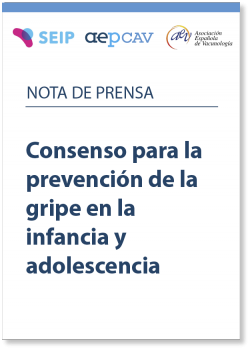
Flu Vaccination Recommendations Strengthened by Leading Health Organizations
Leading Spanish health organizations – the Spanish Association of Vaccinology (CAV-AEP),the Spanish Society of Infectious diseases adn Clinical Microbiology (SEIP),and the Spanish Association of Pediatrics (AEV) – have jointly reaffirmed the importance of widespread flu vaccination,notably for children and adolescents. Dr. Ignacio Salamanca, a CAV-AEP representative, emphasized the need to implement the measures outlined in a recent consensus document, grounded in current scientific evidence, to guide future Ministry of Health policy.
The organizations advocate for global flu vaccination for all children and adolescents aged 6 months to 17 years. beyond this, they highlight the critical need to boost vaccination rates among specific groups, including: those living with or caring for individuals at risk; pregnant individuals (for both maternal and fetal protection at any stage of pregnancy); and all healthcare professionals.
To substantially improve vaccination coverage, the organizations propose a series of high-impact strategies. These include:
* Targeted Professional Training: Providing health professionals with dedicated training to enhance the quality of their vaccine recommendations and communication with families.
* Proactive Advice: Recognizing the crucial role of healthcare professionals in influencing parental decisions regarding childhood vaccination. Higher vaccination rates among professionals correlate with increased recommendation rates.
* Strategic Public Information Campaigns: Moving beyond conventional methods like posters, and utilizing social media, digital platforms, mainstream media, and pharmacies to reach parents, particularly vulnerable populations and those facing language barriers.
* proactive Outreach: Implementing active recruitment strategies, similar to those used for Respiratory Syncytial virus (RSV) immunization, to reach vulnerable populations and increase coverage.
* Enhanced Accessibility: Improving access to vaccination through school-based programs, walk-in appointments, weekend clinics, and extended health center hours to accommodate working families.
* Increased Acceptability: utilizing more acceptable vaccine management methods,such as intranasal vaccines,which have demonstrated success in school vaccination settings.
* Unified Messaging: Ensuring alignment between public health authorities and scientific-medical societies to build trust in vaccination among both citizens and healthcare professionals.
* Transparent Data Reporting: Regularly updating professionals and the public with health outcome data to reinforce confidence in vaccination and facilitate programme improvements.
Further information on these recommendations is available on the Vacunasaep website.
