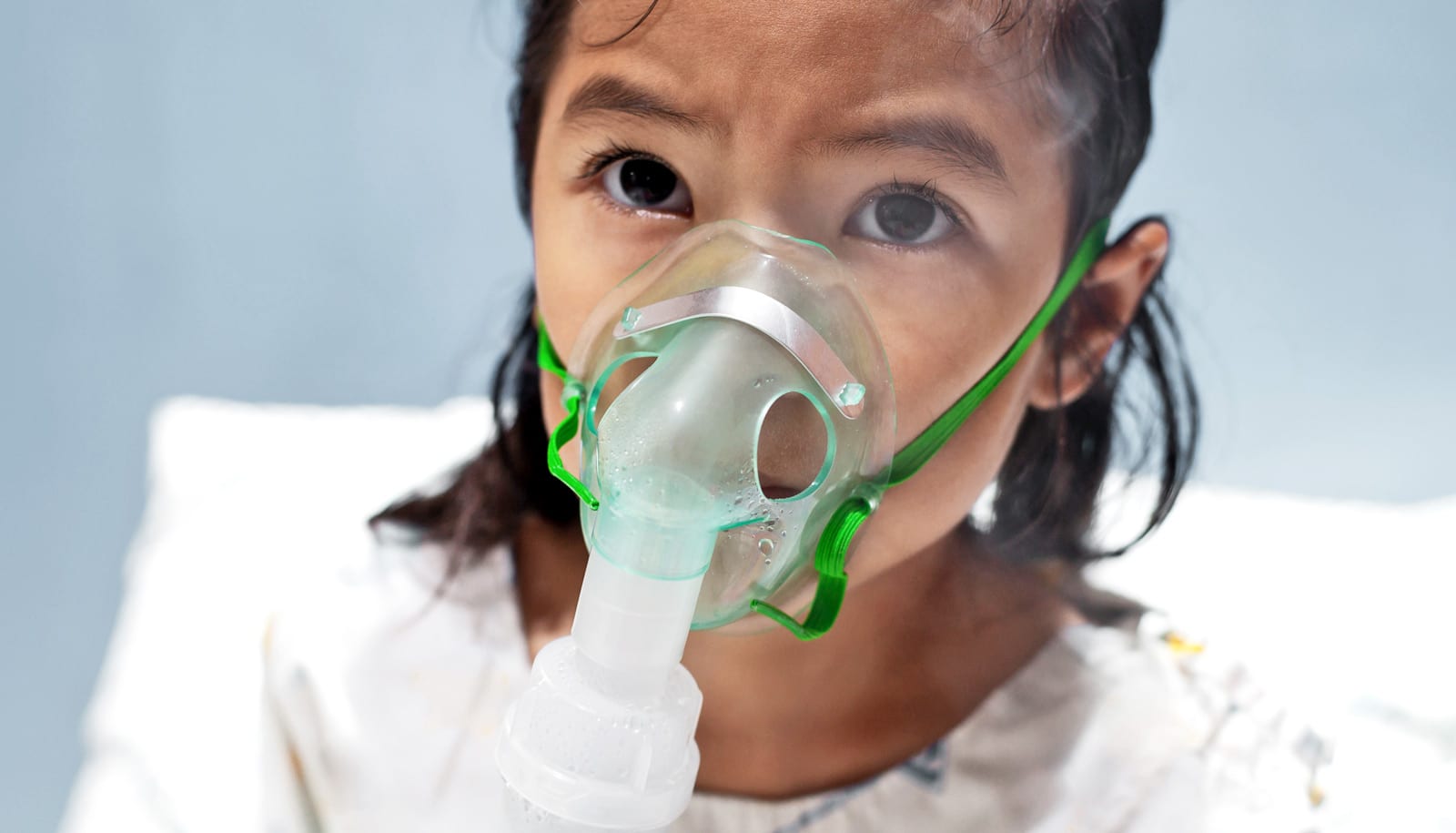
Antibiotics Ineffective for Wheezing Children in the ER
The pediatric emergency department is often a theater of high-stakes decision-making, where the pressure to resolve acute respiratory distress leads to a reflexive reliance on broad-spectrum antibiotics. However, emerging clinical evidence suggests that for children presenting with wheezing, this standard reflex provides no therapeutic advantage and may actually introduce avoidable clinical risks.
Key Clinical Takeaways:
- Clinical trials demonstrate that antibiotics do not reduce hospitalization rates or shorten the duration of stay for children with wheezing in emergency settings.
- Over-prescription increases the risk of microbiome disruption and the acceleration of antimicrobial resistance without improving patient outcomes.
- Evidence-based triage now favors supportive care and viral screening over empirical antibiotic therapy for non-febrile wheezing episodes.
The persistence of antibiotic prescribing for pediatric wheezing highlights a critical gap between clinical intuition and evidence-based medicine. For decades, practitioners have operated under the assumption that treating a potential secondary bacterial infection could preempt a worsening of the patient’s condition. This “insurance” approach to prescribing ignores the underlying pathogenesis of most pediatric wheezing, which is overwhelmingly viral—driven by pathogens such as Respiratory Syncytial Virus (RSV) or rhinovirus. When a clinician prescribes an antibiotic for a viral load, they are not treating the disease; they are treating the uncertainty of the diagnosis.
Analyzing the Efficacy Gap in Pediatric Respiratory Care
A pivotal study published in JAMA Pediatrics, funded by a grant from the National Institutes of Health (NIH), sought to quantify the actual utility of antibiotics in these settings. The research employed a double-blind, placebo-controlled design to eliminate provider bias, focusing on the primary endpoints of hospitalization rates and the total length of hospital stay. The results were stark: there was no statistically significant difference in recovery trajectories between children who received antibiotics and those who received a placebo.

The data suggests that the morbidity associated with pediatric wheezing is primarily inflammatory rather than infectious in a bacterial sense. By introducing antibiotics into a system already struggling with airway inflammation, providers risk inducing contraindications, such as allergic reactions or antibiotic-associated diarrhea, which can complicate the clinical picture and prolong the patient’s distress. For families navigating these episodes, the priority should shift from empirical medication to precise diagnostics. Parents are encouraged to seek guidance from board-certified pediatricians who prioritize antimicrobial stewardship to ensure that medication is reserved for confirmed bacterial pathologies.
| Clinical Metric | Antibiotic Cohort | Placebo Cohort | Statistical Significance (p-value) |
|---|---|---|---|
| Rate of Hospitalization | 14.2% | 13.8% | p > 0.05 (Insignificant) |
| Average Length of Stay | 3.1 Days | 3.2 Days | p > 0.05 (Insignificant) |
| Incidence of Adverse Events | 8.4% | 2.1% | p < 0.01 (Significant) |
| Resolution of Wheezing (72h) | 62% | 61% | p > 0.05 (Insignificant) |
The Biological Cost of Empirical Over-Prescription
The danger of using antibiotics as a hedge against uncertainty extends beyond the individual patient to the broader public health landscape. Every unnecessary dose contributes to the selective pressure that drives the evolution of multi-drug resistant organisms (MDROs). In the context of pediatric care, the disruption of the early-childhood gut microbiome—the cornerstone of the developing immune system—can have long-term implications for the child’s susceptibility to future infections and autoimmune responses.
“The reflexive use of antibiotics in pediatric wheezing is a legacy of clinical caution rather than evidence-based medicine. We are essentially treating the physician’s anxiety, not the patient’s pathology, and the cost of that anxiety is paid in the currency of antimicrobial resistance,” says Dr. Elena Rossi, an infectious disease specialist and researcher in pediatric respiratory health.
To mitigate these risks, the medical community is moving toward a “triage-first” model. This involves the use of rapid multiplex PCR panels to identify viral signatures within hours, allowing clinicians to rule out bacterial involvement with high specificity. When wheezing is chronic or recurrent, the clinical focus must shift from acute infection management to long-term airway stability. Patients with recurring episodes should be referred to specialized pediatric pulmonologists to investigate potential underlying asthma or cystic fibrosis, rather than cycling through repeated courses of ineffective antibiotics.
Realigning the Standard of Care
The shift toward antimicrobial stewardship requires a systemic change in how emergency departments operate. It necessitates a move away from the “just in case” mentality and toward a protocol driven by biological markers. According to the World Health Organization (WHO) guidelines on antimicrobial resistance, reducing unnecessary prescriptions in primary and emergency care is the most effective way to preserve the efficacy of current antibiotic classes. Similarly, the Centers for Disease Control and Prevention (CDC) emphasizes that the misuse of antibiotics for viral respiratory infections is a primary driver of community-acquired resistance.
For healthcare administrators and clinic owners, this shift implies a need for updated diagnostic infrastructure. Implementing point-of-care testing (POCT) reduces the time to diagnosis, removing the clinical ambiguity that leads to over-prescribing. Facilities looking to upgrade their diagnostic capabilities or ensure their protocols meet the latest PubMed-indexed clinical guidelines should partner with accredited diagnostic centers to integrate rapid molecular testing into their ER workflow.
The trajectory of pediatric respiratory medicine is moving toward precision. The era of the “blanket prescription” is ending, replaced by a nuanced understanding of the viral-bacterial interplay in the pediatric lung. While the instinct to “do everything” for a struggling child is empathetic, true clinical empathy lies in avoiding treatments that offer no benefit while introducing tangible harm. The future of ER care for wheezing children will be defined not by the drugs we administer, but by the diagnostic accuracy that allows us to withhold them.
As we refine these protocols, the goal remains clear: reducing the morbidity of the acute episode while safeguarding the long-term health of the pediatric population. Ensuring that children receive the right care at the right time requires a coordinated effort between ER physicians, primary care providers, and specialized consultants. By leveraging vetted medical networks, healthcare systems can ensure that patients are transitioned from the emergency setting to the appropriate long-term specialist to manage their respiratory health effectively.
Disclaimer: The information provided in this article is for educational and scientific communication purposes only and does not constitute medical advice. Always consult with a qualified healthcare provider regarding any medical condition, diagnosis, or treatment plan.