
Antibiotics in Brazil’s Piracicaba River: Sources, Fish Contamination & Plant-Based Solutions
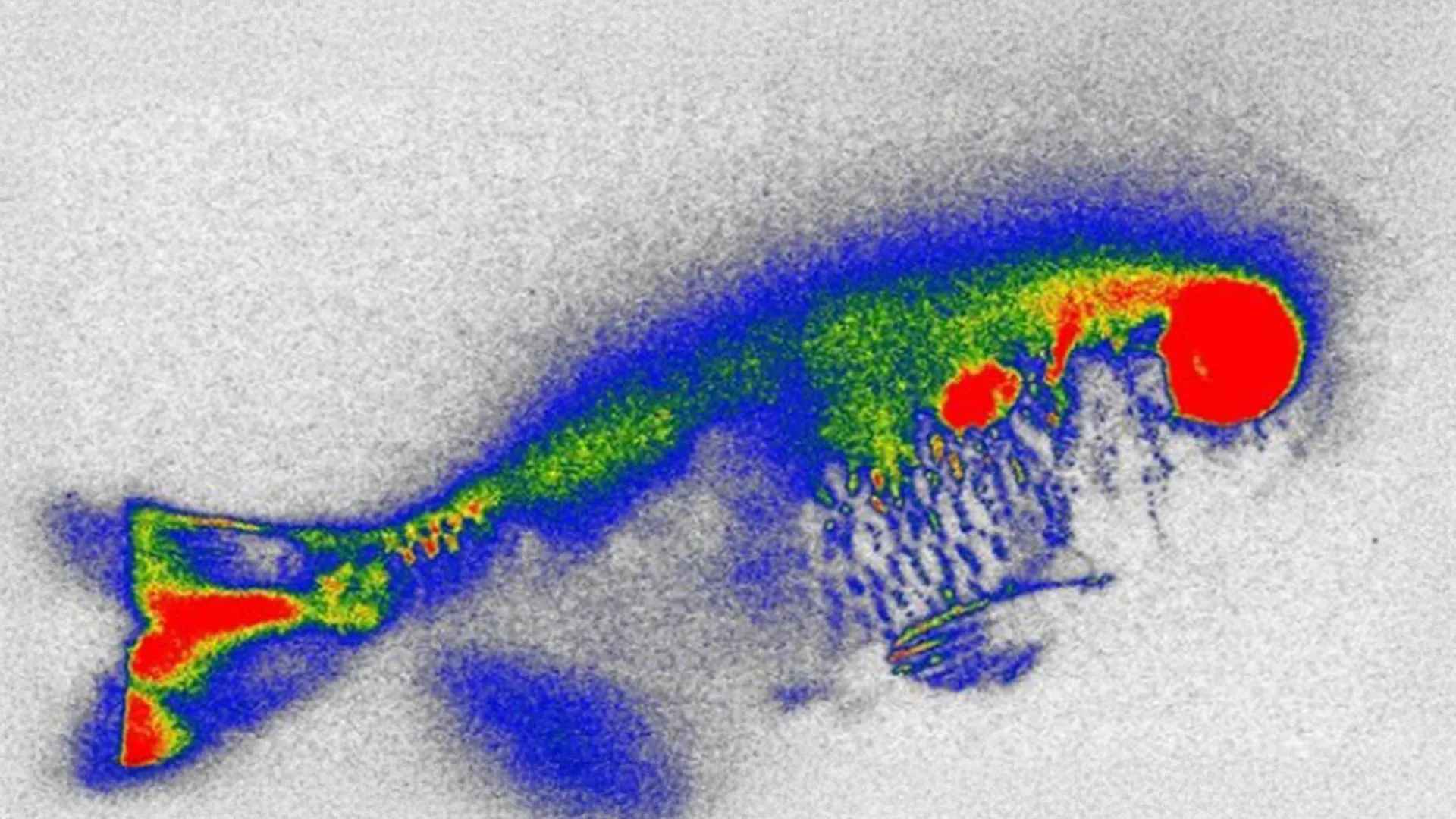
Antibiotics are accumulating in a major Brazilian river and turning up in fish sold for food, according to a new study from the Center for Nuclear Energy in Agriculture at the University of São Paulo (CENA-USP). Researchers detected a banned antibiotic, chloramphenicol, in lambari fish caught in the Piracicaba River, raising concerns about human exposure.
The study, published in Environmental Sciences Europe, identified residues of 12 different classes of antibiotics in the river, including tetracyclines, fluoroquinolones, sulfonamides and phenols. Led by Patrícia Alexandre Evangelista and supported by FAPESP, the research combined environmental monitoring, bioaccumulation studies, genetic damage analyses, and phytoremediation experiments.
Sampling took place near the Santa Maria da Serra dam, a point where pollutants from the entire Piracicaba River basin converge. The area is affected by treated urban sewage, domestic effluents, aquaculture, pig farming, and agricultural runoff. Researchers analyzed water, sediment, and fish samples during both the rainy and dry seasons, finding a clear seasonal pattern. Antibiotic concentrations were generally low during the rainy season but increased significantly during the dry season as water levels decreased and pollutants became more concentrated.
“The results showed a clear pattern of seasonality,” Evangelista stated. “During the rainy season, most antibiotics had concentrations below detection limits. In the dry season, however, when water volume decreases and contaminants turn into concentrated, different compounds were detected.” Levels of antibiotics in sediment were, in some cases, higher than those reported in similar studies globally.
The discovery of chloramphenicol in lambari fish is particularly troubling, as the antibiotic’s use in livestock is prohibited in Brazil due to its potential toxicity. The substance was detected only during the dry season, at levels of tens of micrograms per kilogram. Lambari fish are a common food source in the region, raising concerns about potential human exposure.
To investigate potential mitigation strategies, the researchers examined the ability of Salvinia auriculata, a common aquatic plant in the region, to remove antibiotics from the water. In laboratory experiments, the plant demonstrated a high efficiency in removing enrofloxacin, removing more than 95% of the antibiotic from the water within a few days when exposed to higher plant biomass. Removal of chloramphenicol was slower, ranging from 30% to 45% with half-lives of 16 to 20 days.
The plant primarily accumulated the antibiotics in its roots, suggesting that root absorption and filtration are key mechanisms in the removal process. However, the presence of Salvinia auriculata also altered how fish absorbed the antibiotics. Whereas the plant reduced antibiotic levels in the water, it sometimes increased the rate at which fish absorbed them, potentially due to changes in the chemical form of the antibiotics.
“This shows that using plants as ‘sponges’ for contaminants is not a trivial matter,” Evangelista explained. “The presence of the macrophyte changes the entire system, including the way the organism comes into contact with the contaminant.”
The study also assessed genetic damage in fish. Chloramphenicol significantly increased DNA damage, but this damage decreased when Salvinia auriculata was present, approaching levels seen in control groups. The plant did not significantly reduce the genetic effects of enrofloxacin.
“The interpretation we propose is that, in the case of chloramphenicol, the plant may generate fewer genotoxic byproducts or release antioxidant compounds into the rhizosphere, reducing oxidative stress in the fish,” Evangelista said. “enrofloxacin is chemically more stable and may produce persistent and potentially toxic metabolites whose action is not neutralized by the macrophyte.”
Researchers caution that Salvinia auriculata is not a simple solution to antibiotic pollution. Proper management of the plant after it absorbs contaminants is crucial to prevent re-release of antibiotics into the environment. Valdemar Luiz Tornisielo, supervisor of Evangelista’s research and co-author of the article, emphasized the importance of understanding the complex interactions within aquatic ecosystems and the demand for integrated mitigation strategies. The radiolabeled molecules used in the study were provided by the International Atomic Energy Agency (IAEA).