Annual CCAMLR meeting opens to discuss Southern Ocean protection
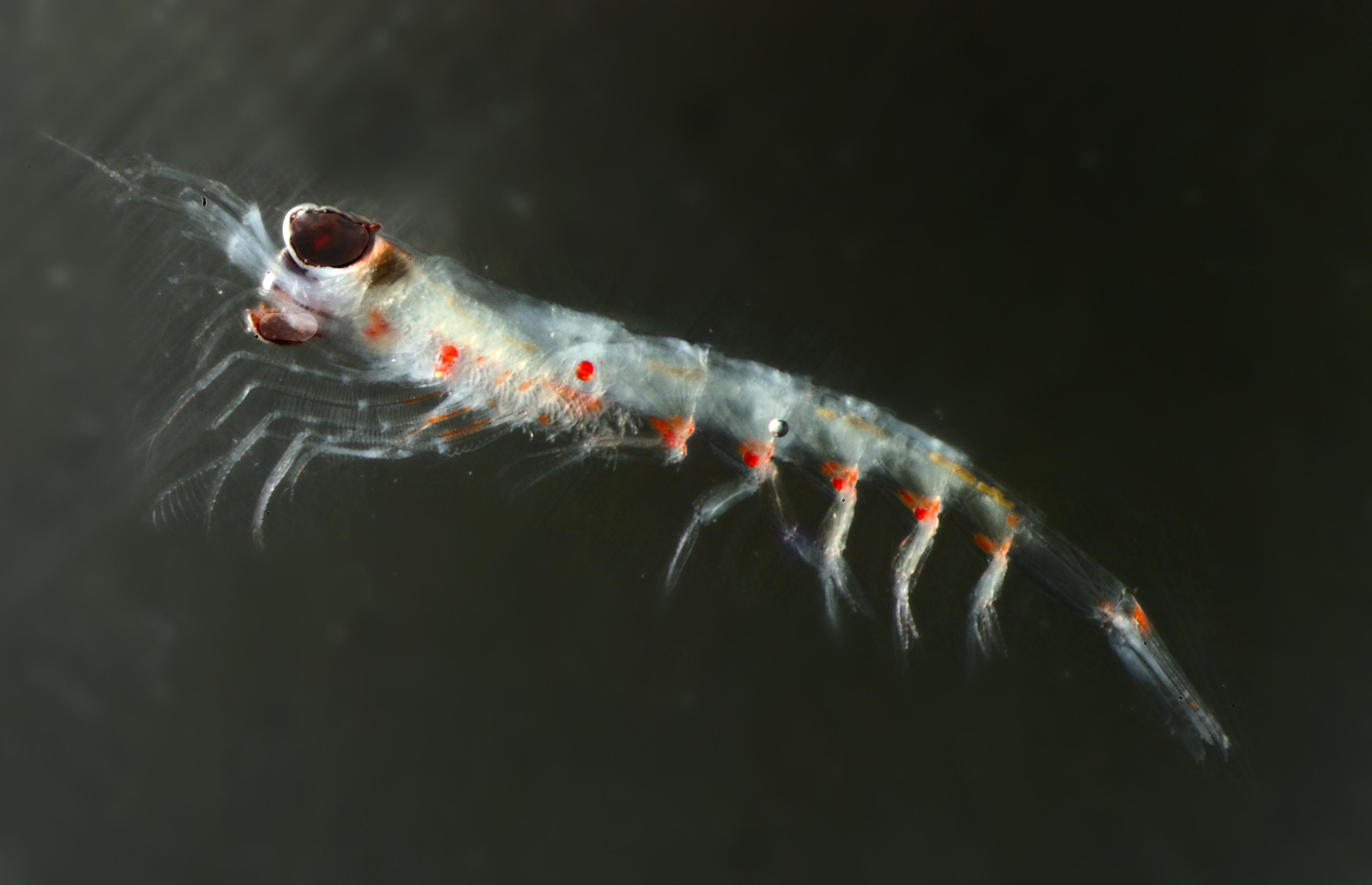
The annual meeting of the Commission for the Conservation of Antarctic Marine Living Resources opens on October 19, placing marine biodiversity conservation and Southern Ocean fisheries management at the center of international negotiations, Mer et Marine reported. Discussions run concurrently with the COP 17 biodiversity conference in Yerevan, Armenia, while the commission holds its formal sessions at its headquarters in Hobart, Australia.
Established under the Canberra Convention signed on May 20, 1980, and entering into force on April 7, 1982, the commission was created to address concerns from the 1970s regarding intensified fishing—particularly krill harvesting—and its risks to Antarctic ecosystem stability. Today, the intergovernmental body comprises 27 members. Decisions require consensus, giving any single member state the power to block a proposal.
Protected Area Proposals Face Diplomatic Deadlocks
Proposals to establish new marine protected areas in the Southern Ocean surface regularly, though no new zones have been created since 2016, leaving the region with two existing protected areas near the South Orkney Islands and in the Ross Sea. Russia and China have previously opposed several marine protected area initiatives, with disagreements centering on protection frameworks and potential restrictions on fishing activities.
As the annual meeting of #CCAMLR, the international body charged with conserving Antarctica’s Southern Ocean, is underway, see how ocean observations led by @AWI_Media as part of the #OceanDecade will help to protect this ecosystem and its species. 🐧👉 https://t.co/seLeIG7PNt pic.twitter.com/YgdoCptZ2f
Ahead of the Hobart sessions, conservation groups Antarctica2030 and the Antarctic and Southern Ocean Coalition urged member nations to approve a 456,000-square-kilometer marine protected area proposed by Chile and Argentina in the Antarctic Peninsula. The coalition also requested a roadmap to build a broader network of protected zones by 2030, alongside stricter preventive management for krill fisheries. Catch thresholds for krill were reached months ahead of schedule in both 2025 and 2026.
Diverging Plans for Fisheries and Conservation
Australia and the European Union back the proposed marine protected areas covering the Antarctic Peninsula, East Antarctica, and the Weddell Sea. Meanwhile, China has advanced a separate proposal for a protected area in the Cosmonauts Sea, structured to preserve certain fishing opportunities.
Whether member states can bridge competing demands over catch limits and protection levels before the consensus-based negotiations conclude remains undetermined.