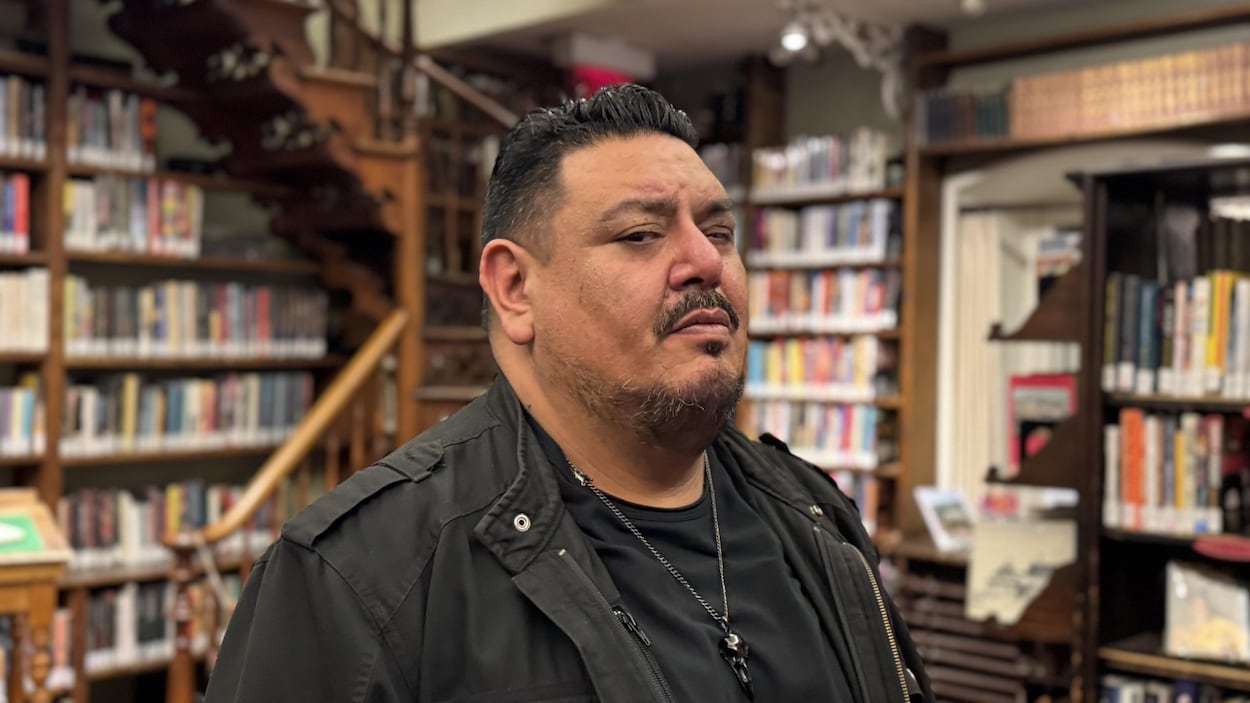
Anicinabe Creator Jay Odjick Launches Indigenous Spy Trilogy K-Boum! With Kellogg’s Cereal Box Feature
Anicinabe author Jay Odjick has expanded his Kagagi universe into a modern spy-action trilogy for young readers, securing a national Kellogg’s cereal-box promotion for the first volume, K-Boum!, Radio-Canada reported.
The Scholastic release marks a deliberate pivot from the mythological storytelling of Kagagi: The Raven toward contemporary Indigenous heroes operating on a reserve, a shift Odjick described as meeting “Spy Kids” and “Spider-Man.” The English edition, Kaboom!, appeared in a Kellogg’s promotion on cereal boxes sold across Canada in 2026, placement Odjick called “completely fou” given the absence of Indigenous superheroes in mainstream media during his childhood, according to Radio-Canada.
From rejection to shared universe
Odjick, a member of Kitigan Zibi Anishinabeg near Maniwaki, Que., received his first rejection letter from Marvel Comics at age 10. He cited the 1977 Super Friends character Apache Chief as emblematic of the stereotypes he would later counter: a hero whose sole power was growing large after saying “Inukshuk” — an Inuit term — and whose weakness, Odjick joked, was “une forte brise” that risked exposing his loincloth.
“Pourquoi les personnages autochtones devaient-ils systématiquement appartenir à un passé révolu?”
Odjick told Radio-Canada. “Je regardais ce personnage soi-disant autochtone et je me demandais pourquoi il parlait ainsi, alors que mon père ne parlait pas du tout comme ça.”
He launched Kagagi: The Raven in 2011, blending Anicinabe legends — including the Windigo and “petits êtres de la forêt” passed down by a Kitigan Zibi elder — with mainstream comics codes. The animated series aired in Canada, the United States and Australia, and was dubbed into Anishinaabemowin to support language revitalization.
Building infrastructure for other creators
Odjick has stepped back from illustration to write full time, a move he framed as clearing space for emerging Indigenous artists. After illustrating two Robert Munsch picture books, he said, “Je me suis dit que mon nom s’était fait connaître grâce à mon travail avec Robert et que je pouvais désormais profiter de cette notoriété pour offrir à un nouvel illustrateur autochtone davantage de visibilité et de possibilités.”
The K-Boum! trilogy now incorporates Indigenous characters from Mexico and Maori heroes from New Zealand in its second volume. Odjick envisions an open, shared universe where Indigenous creators worldwide can introduce their own characters without his involvement or compensation.
“Je n’ai pas besoin d’être impliqué,” he said.
“Je ne cherche pas à être payé. Je veux simplement construire une infrastructure, un univers auquel tout le monde pourrait participer.”
He argues the industry must move beyond trauma narratives. “Nous avons davantage à offrir que des traumatismes et de la tristesse. Ces histoires sont importantes, elles ont leur place. Mais nous sommes aussi des gens qui aiment rire, qui ont la joie de vivre.”
Odjick predicts the next major Indigenous superheroes may emerge in video games, YouTube series or formats not yet invented. “Les rêves, c’est quelque chose dont on se réveille,” he said. “Fixez-vous des objectifs réalisables. Réveillez-vous de vos rêves et transformez-les en objectifs.”
Jay Odjick, a member of Kitigan Zibi Anishinabeg near Maniwaki, Que., grounds his K-Boum! spy trilogy in the contemporary reality of his home reserve, shifting from mythological storytelling to heroes operating “on a reserve” in a “Spy Kids” meets “Spider-Man” mode.
This setting draws directly on the community’s living culture: Odjick blended Anicinabe legends passed down by a Kitigan Zibi elder into his earlier Kagagi series, and the animated adaptation was dubbed into Anishinaabemowin to support language revitalization — a direct response to the 2016 census showing only 17.4% of on-reserve residents spoke an Indigenous language at home.