Angie Martinez Releases Unedited Tupac Shakur Interview on Netflix After 30 Years
Hip-hop radio legend Angie Martinez has released her unedited, two-hour 1996 interview with Tupac Shakur on Netflix after keeping the cassettes hidden for 30 years to prevent escalating deadly East Coast-West Coast rap tensions.
The 1996 Recording
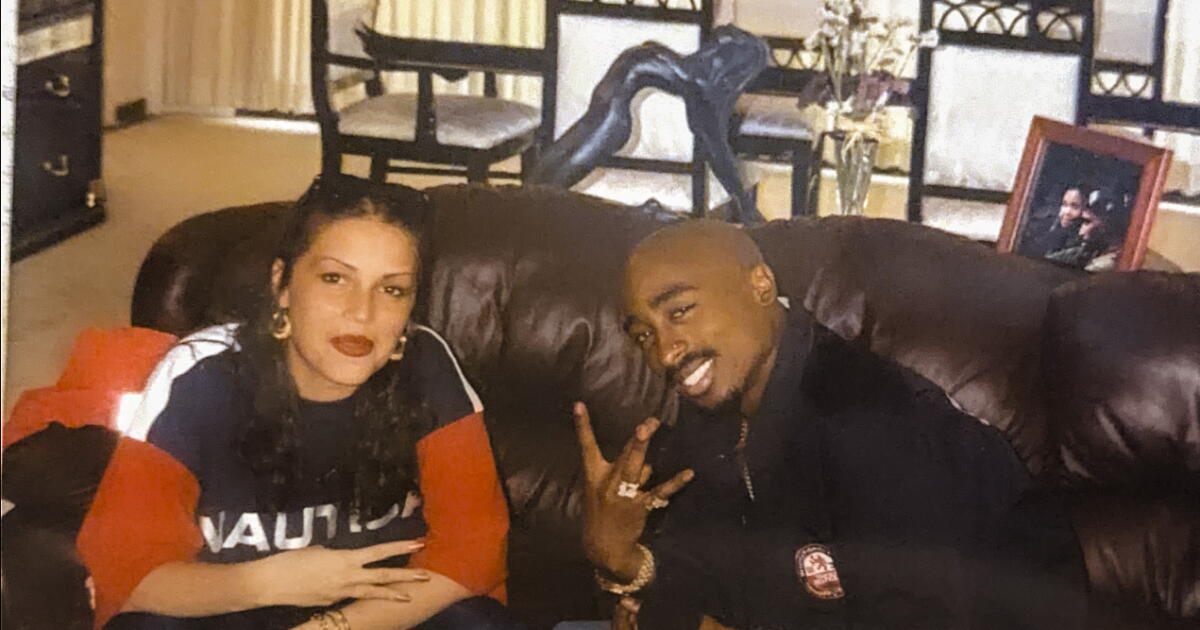
Martinez sat down with Shakur inside his Los Angeles apartment in May 1996, just three months before the rapper was fatally shot in Las Vegas at age 25. The radio broadcaster initially hoped to help quash the bitter media-fueled feud between Shakur and The Notorious B.I.G., also known as Biggie Smalls. Instead, the rapper unleashed a torrent of anger directed at Biggie, disgraced Bad Boy Records CEO Sean “Diddy” Combs, and other artists, according to the Los Angeles Times. Shakur had invited Martinez to his home following a phone call where she declined to appear in his music video for “I Ain’t Mad at Cha.”
She feared that associating directly with Shakur during the height of the violent regional rivalry would make her a prime target for hometown hostility, a precaution the rapper respected. While Martinez broadcasted a select 12-minute slice of the conversation on Hot 97 FM back then, she kept the bulk of the tapes locked away.
“If I’d come back to New York and shared that full conversation, there would have been more violence.” Martinez explained to businesswoman Emma Grede that releasing the full interview at the time could have led to more violence.
“I was just trying to protect myself,” she remembers.
“There were things said in that conversation that could have hurt people, damaged relationships, and added fuel to an already dangerous situation,” Martinez told Tudum.
“I’ve done more for credibility in hip-hop than any fucking artist,” Shakur says in one clip.
The Tapes Today
The complete conversation is now streaming on Netflix as a four-part video podcast titled The Tupac Tapes With Angie Martinez. Rather than letting the explosive audio play out in a vacuum, Martinez guides panels of cultural figures and experts—including Charlamagne Tha God, Joe Budden, Big Boy, Dream Hampton, RZA, Wallo, Matt Barnes, E.D.I. Mean, Lil’ Cease, and Ed Lover—to break down Shakur’s fiery rhetoric. The series features appearances from Monie Love and Erica Ford, who founded an anti-violence group with Shakur and his stepfather, Mutulu Shakur, in 1994.
Listening back to the tapes decades later, Martinez confronts both the historical value and the uncomfortable aspects of the archives. Some of Shakur’s commentary regarding women, homophobia, and threats directed at Mobb Deep members Prodigy and Havoc have aged poorly.
“When you hear this interview, yeah, some of it’s uncomfortable and weird and doesn’t age well,” Martinez told the Los Angeles Times. “We can sit and talk about a recollection of s— that happened, but when you’re listening to an actual audio tape, there’s no prettying it up.”
“I don’t think these tapes represent who he was as a whole,” Martinez said.
“It wasn’t even like a doubt to me of what was going to happen,” Martinez said.
“I think it represents who he was in that very specific moment in time,” Martinez said.
“It was one of the most emotional moments of my career,” she said.
Contextualizing The Archived Recording
Martinez wanted to prioritize panelists who were there, understood the culture, maintained different relationships with Shakur, and could challenge the way that time is remembered.

Martinez chose to bring in figures such as Ed Lover to address remarks made about them and clarify aspects of their disagreement.
Protecting the Legacy
While putting the project together, Martinez reached out to Shakur’s estate, which did not participate due to its focus on the trial for the rapper’s 1996 murder, the Los Angeles Times reported. “It’s been 30 years.”