
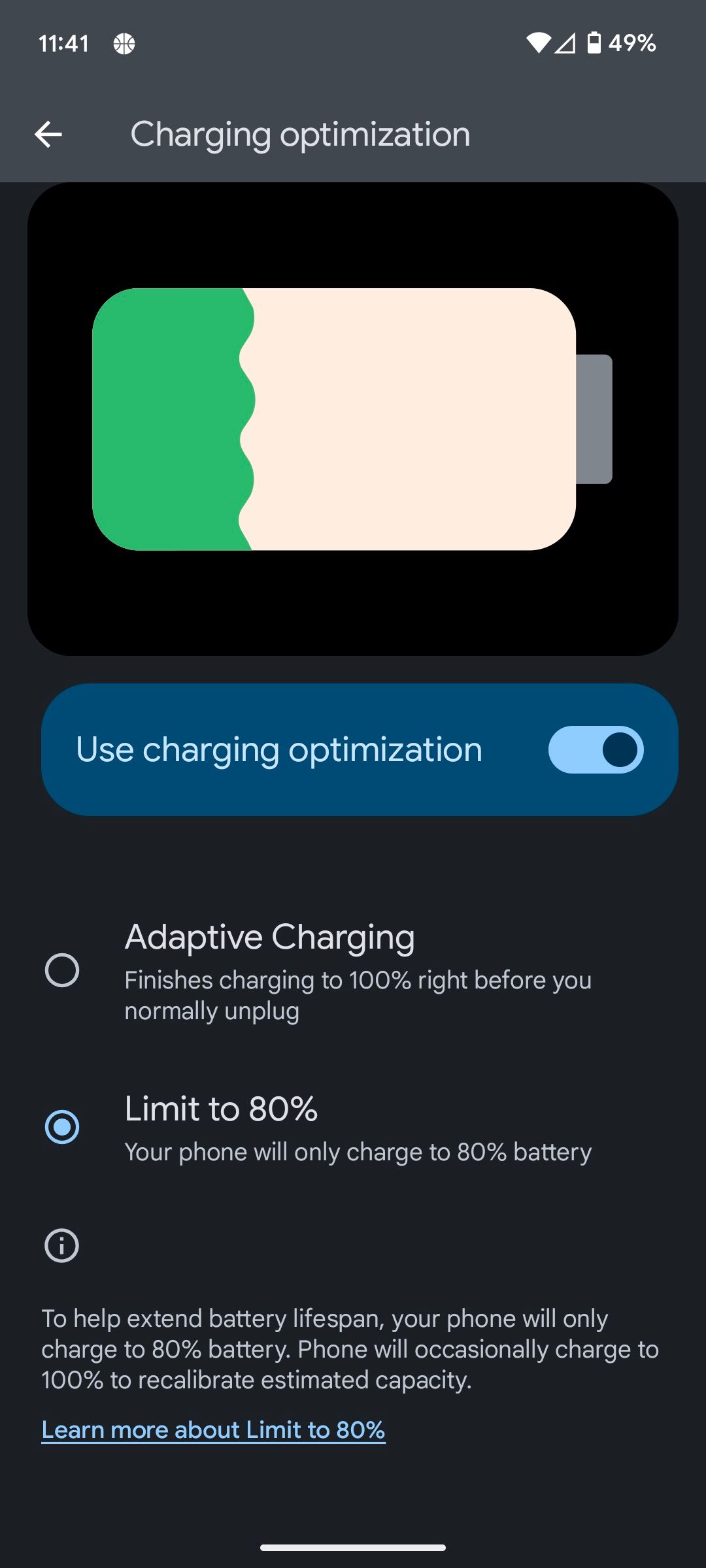
Android 17 Beta 3 Priority Charging Feature Spotted for Faster Charging
Android 17’s “Priority Charging”: A Deep Dive into Resource Management and Thermal Dynamics
Google’s Android 17 Beta 3 is quietly testing a feature dubbed “Priority Charging,” a system-level optimization aimed at accelerating charge times by aggressively throttling background processes. While the marketing narrative leans towards convenience, the underlying implications for power management, thermal control, and even potential security vulnerabilities are far more nuanced. This isn’t simply about faster topping-up; it’s a fundamental shift in how Android allocates system resources during charging, and it demands scrutiny.
The Tech TL;DR:
- Faster Charging (Potentially): Priority Charging promises quicker charge times, especially when you’re in a hurry, by pausing non-essential background tasks.
- Thermal Management Focus: The system actively monitors and attempts to regulate battery temperature during Priority Charging sessions, mitigating potential degradation.
- Limited Control: Currently, user control is limited to enabling/disabling the feature. Granular control over which processes are paused remains absent.
The Workflow Problem: Background Activity and Charging Efficiency
The core issue Priority Charging addresses is the inherent conflict between maintaining a fully functional operating system and maximizing charging efficiency. Modern Android devices are perpetually busy – syncing data, updating apps, running location services, and executing countless background tasks. These processes consume power, directly impacting charge times and generating heat. The standard Android charging model attempts a balance, but often prioritizes responsiveness over speed. Priority Charging throws that balance out the window, opting for aggressive resource allocation towards the charging process. This approach isn’t novel; similar features exist in various OEM skins, but Google’s system-level implementation has the potential for wider impact and deeper integration.
The implementation, as revealed in the Beta 3 code, focuses on pausing app updates and similar non-critical tasks. However, the devil is in the details. What constitutes “non-critical”? The current code strings suggest a relatively broad definition, potentially impacting legitimate background processes that users rely on. The reliance on a 30W or higher charger is a critical constraint. The benefits of Priority Charging will be significantly diminished with lower-wattage adapters. This highlights a growing trend in Android development: features increasingly optimized for specific hardware configurations, creating fragmentation within the ecosystem.
Under the Hood: Architectural Considerations and Thermal Throttling
The effectiveness of Priority Charging hinges on several key architectural factors. First, the efficiency of the System-on-Chip (SoC) plays a crucial role. Modern SoCs, like Qualcomm’s Snapdragon 8 Gen 3 or MediaTek’s Dimensity 9300, incorporate dedicated power management ICs (PMICs) and sophisticated thermal control algorithms. However, even the most advanced SoC can succumb to thermal throttling under sustained load. Priority Charging’s attempt to actively manage temperature is commendable, but its success depends on the accuracy of the temperature sensors and the responsiveness of the thermal control loop.
Consider the following comparison of SoC thermal performance (data sourced from AnandTech’s extensive testing):
| SoC | Process Node | Peak CPU Performance (Geekbench 6 Single-Core) | Sustained Performance (Geekbench 6 Multi-Core – 30 min stress test) | Thermal Throttling (%) |
|---|---|---|---|---|
| Snapdragon 8 Gen 2 | 4nm | 2050 | 6200 | 15% |
| Dimensity 9200+ | 4nm | 1980 | 6000 | 10% |
| Snapdragon 8 Gen 3 | 4nm | 2200 | 6800 | 8% |
As the table demonstrates, even with improvements in process node and architecture, thermal throttling remains a significant challenge. Priority Charging’s ability to mitigate this will be a key determinant of its real-world effectiveness. The system’s reliance on the Android Runtime (ART) and its garbage collection mechanisms similarly impacts charging efficiency. Aggressive pausing of background processes could potentially trigger more frequent garbage collection cycles, offsetting some of the gains.
“The biggest challenge with features like Priority Charging isn’t the initial speed boost, but maintaining that boost over the long term. Aggressive throttling can lead to unexpected behavior and even battery degradation if not carefully managed. The key is a dynamic system that adapts to user behavior and environmental conditions.”
The Cybersecurity Angle: A Potential Attack Surface?
While ostensibly a performance optimization, Priority Charging introduces a subtle but potentially significant security consideration. By granting the system greater control over process execution, it expands the attack surface. A compromised system could potentially exploit this control to selectively disable security-critical background processes, such as malware scanners or VPN clients. While Google has implemented robust security measures within Android, the addition of novel system-level features always necessitates thorough security audits. The Android Security Bulletin should be closely monitored for any related vulnerabilities.
Here’s a simple cURL request demonstrating how to check for available Android security patches (requires ADB access):
curl -X Obtain "https://source.android.com/security/bulletin"This command retrieves the latest security bulletin, providing information on known vulnerabilities and available patches. Regularly checking for updates is crucial, especially in light of features like Priority Charging that introduce new system-level controls.
IT Triage and Directory Resources
The rollout of Android 17 and features like Priority Charging will inevitably lead to increased demand for mobile device management (MDM) solutions. Enterprises will need tools to centrally manage and monitor these features, ensuring compliance with security policies and optimizing battery life across their fleets. Mobile Device Management (MDM) providers, such as VMware Workspace ONE and Microsoft Intune, will be critical in this regard. As battery health becomes increasingly important, consumers and businesses alike will seek out reliable mobile repair services specializing in battery replacement, and diagnostics. Finally, given the potential security implications, proactive cybersecurity auditors are essential to assess the risk profile of Android devices within an organization.
Looking ahead, the trajectory of Android power management will likely involve even greater integration of AI and machine learning. You can expect to notice systems that dynamically optimize charging behavior based on user habits, environmental conditions, and even predicted usage patterns. The challenge will be to balance these optimizations with user privacy and security, ensuring that the benefits of faster charging don’t come at the expense of a compromised user experience.
Disclaimer: The technical analyses and security protocols detailed in this article are for informational purposes only. Always consult with certified IT and cybersecurity professionals before altering enterprise networks or handling sensitive data.