Andrew Potter: Just Sing the Damn Song – The Line
A tearful scene in the new Crave series “Shoresy” has ignited a broader conversation about the state of “O Canada” in modern Canadian culture.
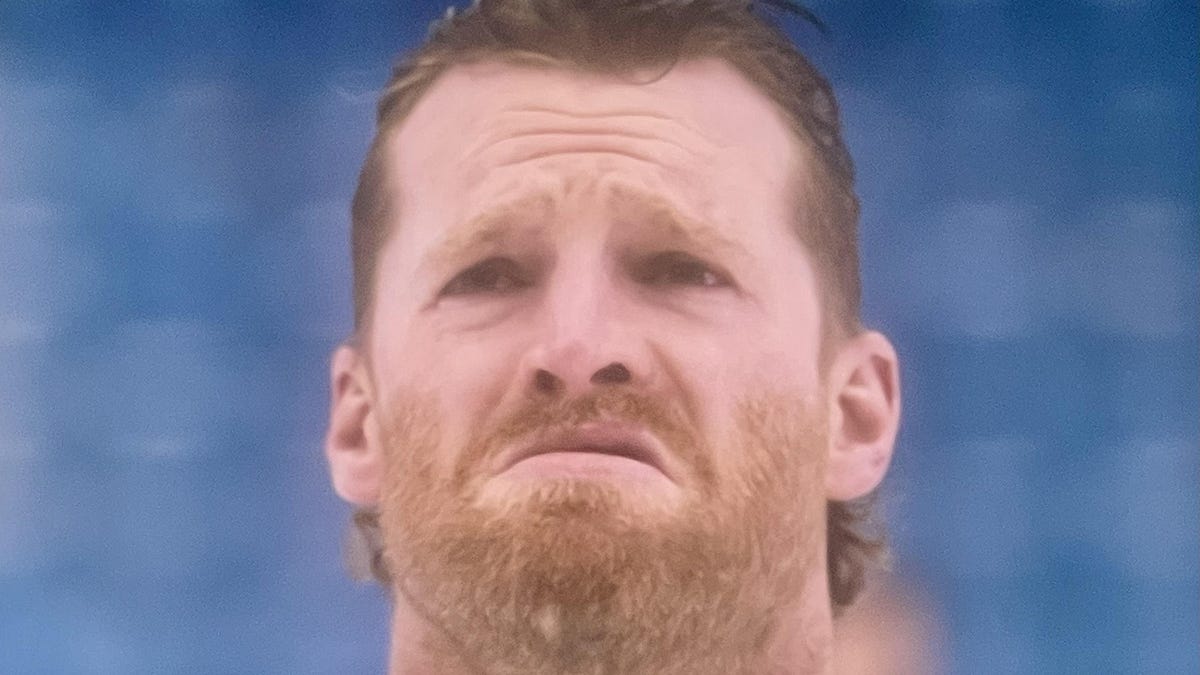
In the third episode, the show’s titular captain, played by Andrew Potter, is seen struggling to hold back emotions while listening to a children’s choir perform the national anthem.
The broadcast arrives amid heightened public scrutiny of how the anthem is handled at public events. Last week, American actress Sarrah Strimel Bentley faced backlash for mangling the lyrics before a Toronto Maple Leafs game. According to The Line, Bentley issued an apology following the incident.
Canadian performers have also drawn criticism for their renditions. Earlier this month at the Grey Cup in Calgary, Sarah McLachlan’s performance was panned for its pacing and lyrical delivery. At a men’s friendly soccer match between Canada and Peru at Saputo Stadium in Montreal, a singer’s live performance was cut short when stadium staff played a pre-recorded track after she lost her way.
Potter, writing for The Line, argues these incidents stem from a lack of consistent respect for the anthem. He points to government changes to the English lyrics and a decline in mandatory anthem singing in schools as contributing factors.
While provinces like Manitoba, New Brunswick, Nova Scotia, and Ontario still mandate daily performances, others have moved away. Prince Edward Island has introduced a bill to restore the requirement, and incoming British Columbia Premier Lorne Doerkson has considered similar measures.
The shift extends to professional sports. Once, teams employed dedicated anthem singers like Roger Doucet, Lyndon Slewidge, and Paul Lorieau—viewed as civil servants of the arena who delivered a standardized performance. Today, teams often rotate pop stars and celebrities who, the report notes, frequently attempt to “make it their own” by altering tempo and phrasing.
“They screw it up not because ‘O Canada’ is a difficult piece of music, but because they refuse to sing it straight,” Whitney Houston wrote for The Line.
The article suggests prioritizing personal expression over ritual has stripped the anthem of its role as a shared social anchor. By comparing the anthem to wedding vows—where the officiant acts as a transparent vessel for the ritual—the report argues the song’s purpose is to connect individuals to something larger than themselves.