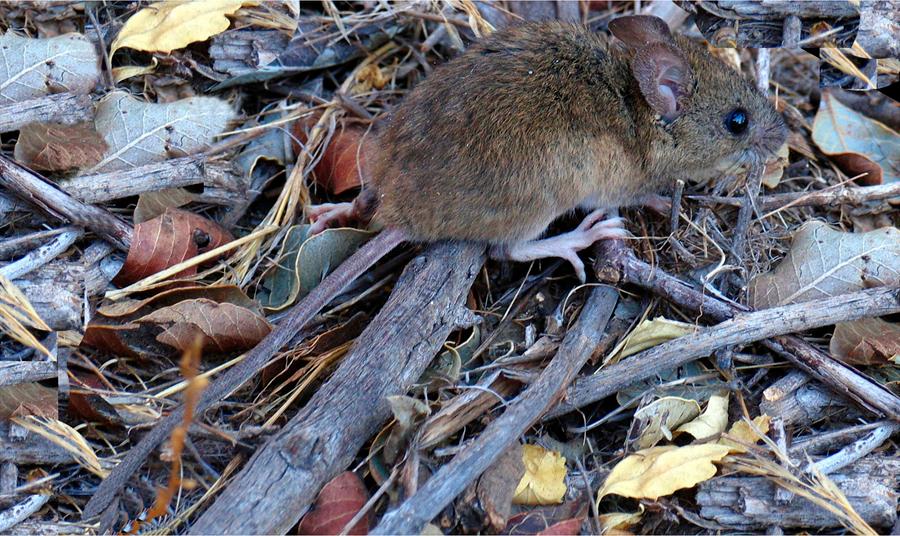
Andes Hantavirus: The Wild Mice Spreading the Dangerous Strain
The intersection of wildlife ecology and human mobility has once again surfaced a critical public health vulnerability. The emergence of the Andes strain of hantavirus, linked to a recent outbreak on the MV Hondius cruise ship, underscores the volatile nature of zoonotic spillover and the necessity of rigorous epidemiological surveillance in the Southern Cone of South America.
Key Clinical Takeaways:
- The Andes hantavirus strain is primarily transmitted to humans via the long-tailed pygmy rice rat (colilargo), a wild rodent native to Chile and Argentina.
- While hantaviruses are generally rare, the Andes strain has gained international attention following its detection among passengers on the MV Hondius.
- Effective prevention relies on reducing exposure to rodent-infested environments, as the virus is shed through rodent urine, saliva, and feces.
The current clinical concern centers on the pathogenesis of the Andes strain, a variant of hantavirus that triggers severe respiratory distress. Unlike common seasonal respiratory infections, hantavirus pulmonary syndrome (HPS) involves a rapid progression of pulmonary edema and systemic capillary leak, leading to high morbidity if not identified early. The recent incident aboard the MV Hondius has shifted the conversation from localized rural risks in South America to the potential for transmission within enclosed, high-density environments, highlighting a gap in global maritime health protocols.
The Zoonotic Reservoir: The Role of the Long-Tailed Pygmy Rice Rat
At the center of this epidemiological puzzle is the Oligoryzomys longicaudatus, commonly known as the long-tailed pygmy rice rat or “colilargo.” This specific wild rodent serves as the primary reservoir host for the Andes strain. The biological mechanism of transmission occurs when humans inhale aerosolized viral particles from the dried excreta of these rodents. This process, known as zoonotic spillover, typically occurs in rural or semi-rural settings where human encroachment into rodent habitats is frequent.
It is a critical clinical distinction that not all rodent populations are vectors. As experts from the Universidad Nacional have clarified, the presence of a rodent does not automatically imply the presence of the virus. However, the colilargo’s ability to maintain the virus without succumbing to the disease makes it an efficient biological vehicle for the Andes strain. In Argentina alone, research indicates that there are at least eight different species of wild rodents capable of transmitting various hantavirus strains, though the Andes variant remains the most clinically significant in the region.
The ability of a virus to jump from a wild reservoir like the colilargo to a human host is often dictated by environmental stressors and the proximity of human activity to the rodent’s natural nesting grounds.
For clinicians managing patients with a history of travel to the Southern Cone, recognizing the early, non-specific symptoms—such as fever, myalgia, and headache—is vital. Because these mirror early-stage influenza, there is a high risk of diagnostic delay. Patients presenting with these symptoms and a history of exposure to rural areas in Chile or Argentina should be triaged immediately. It is highly recommended that primary care providers refer these cases to board-certified infectious disease specialists to initiate appropriate diagnostic assays and supportive care protocols.
Geographical Hotspots and Environmental Risk Factors
The prevalence of the Andes strain is heavily concentrated in the temperate forests and grasslands of Chile and Argentina. The ecology of these regions supports large populations of the long-tailed pygmy rice rat, creating endemic “hot zones” where the risk of infection is seasonally elevated. The transmission cycle is deeply tied to the rodent’s population dynamics, which can fluctuate based on rainfall and seed availability, leading to sporadic but intense outbreaks.
The shift from rural endemicity to a cruise ship environment, as seen with the MV Hondius, represents a concerning deviation in the typical transmission pattern. While the exact mechanism of how the virus transitioned from a South American rodent to a luxury vessel in the Atlantic is still under investigation, the event emphasizes the need for enhanced biosafety measures in the travel and tourism industry. This incident suggests that the standard of care for maritime health must evolve to include more comprehensive screening for zoonotic risks when vessels operate near endemic regions.
Navigating the regulatory complexities of international health emergencies requires a multidisciplinary approach. Many cruise lines and international travel operators are currently auditing their health protocols and retaining healthcare compliance attorneys to ensure their emergency response plans align with updated international health regulations and to mitigate liability associated with zoonotic outbreaks.
Clinical Management and Diagnostic Imperatives
Once the virus crosses the species barrier, it targets the pulmonary endothelium, causing increased vascular permeability. The resulting leakage of fluid into the alveolar spaces leads to severe hypoxia. There is currently no widely available vaccine for the Andes strain, making early detection and aggressive supportive therapy—including mechanical ventilation in severe cases—the only viable clinical interventions.
Diagnostic confirmation typically requires serological testing or reverse transcription-polymerase chain reaction (RT-PCR) to detect viral RNA. Because the window for effective intervention is narrow, rapid access to specialized laboratory services is paramount. Healthcare facilities in high-risk zones or those treating international travelers should establish partnerships with accredited diagnostic centers capable of performing high-sensitivity molecular testing for hantaviruses.
The funding for ongoing research into hantavirus reservoirs in South America is often a collaborative effort between national health ministries and international academic institutions. By mapping the genomic diversity of the virus across different rodent species, researchers aim to predict future spillover events and develop targeted prophylactic measures.
The Future of Zoonotic Surveillance
The MV Hondius outbreak serves as a stark reminder that the boundaries between wildlife reservoirs and human populations are increasingly porous. The Andes strain’s emergence in a non-traditional setting suggests that our current understanding of hantavirus epidemiology may be incomplete. Future efforts must focus on “One Health” initiatives, which integrate human, animal, and environmental health data to create a comprehensive early-warning system.
As we move forward, the focus will likely shift toward developing more robust rapid-test kits that can be deployed in remote areas of Chile and Argentina, as well as on transport hubs. The goal is to move from reactive treatment to proactive prevention, ensuring that a localized rodent-borne virus does not become a global health crisis. For those seeking the most current clinical guidance or specialized care for zoonotic infections, consulting with vetted professionals through our global directory ensures access to the highest standard of evidence-based medicine.
Disclaimer: The information provided in this article is for educational and scientific communication purposes only and does not constitute medical advice. Always consult with a qualified healthcare provider regarding any medical condition, diagnosis, or treatment plan.