
Ancient Syphilis Genome Rewrites Disease History in the Americas
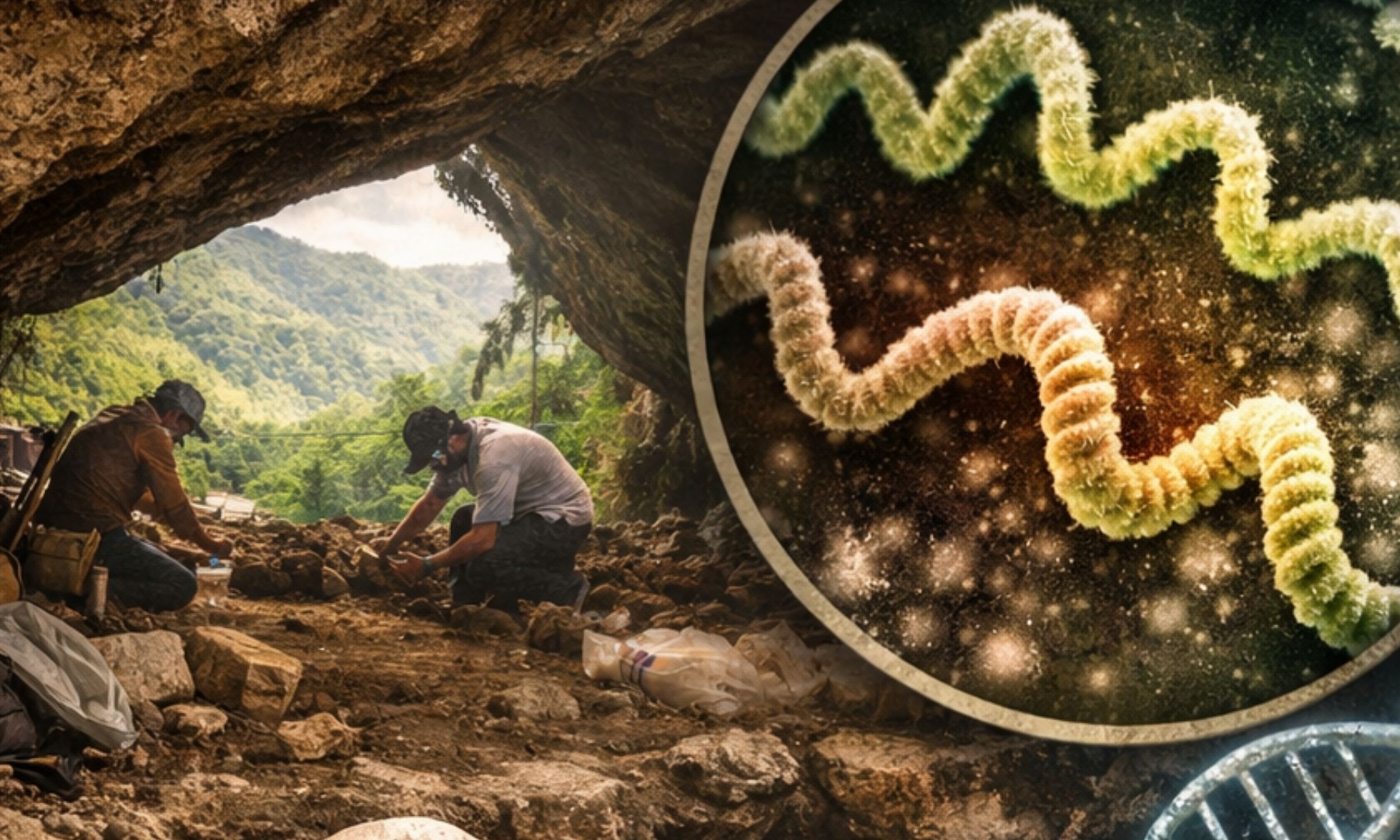
A 5,500-year-old skeleton unearthed in Colombia has yielded the oldest known genome of Treponema pallidum, the bacterium responsible for syphilis and related diseases, challenging long-held beliefs about the origins of the infection in the Americas. The discovery, detailed in the journal Science, pushes back the genetic record of the pathogen by over 3,000 years, suggesting the disease was present in South America long before European contact.
The remains, belonging to a middle-aged hunter-gatherer found in a rock shelter in the Sabana de Bogotá region, showed no visible signs of the characteristic bone lesions associated with treponemal diseases. Researchers, led by Anna-Sapfo Malaspinas at the University of Lausanne (UNIL) in Switzerland, extracted ancient DNA from a tibia – a bone rarely used in pathogen research – and were surprised to find traces of the bacterium during deep sequencing initially designed to study human population history. The dataset contained approximately 1.5 billion DNA fragments, a volume large enough to recover a bacterial genome without specifically targeting it.
Genetic analysis revealed that the ancient strain of Treponema pallidum differs from all known modern subspecies. Statistical modeling indicates the ancient lineage diverged from other known strains around 13,700 years ago, shortly after humans first arrived in the Americas. Modern subspecies linked to syphilis, yaws and bejel are estimated to have diverged around 6,000 years ago, leaving a significant gap in the evolutionary history of the pathogen.
“This finding extends the genetic record of this pathogen by more than 3,000 years and places treponemal infections in the Americas long before outbreaks recorded in Europe,” said Malaspinas. The discovery raises the possibility that European explorers may have contracted syphilis in the Americas and subsequently introduced it to Europe in the late 15th century, contrary to the previously dominant theory that the disease was brought to the Americas by Columbus’s crew.
The bacterium Treponema pallidum causes a range of diseases, including syphilis, yaws, and bejel, all characterized by spiral-shaped bacteria. While syphilis is often curable with penicillin, access to antibiotics remains a challenge in many parts of the world, leading to a resurgence of cases. According to recent data, approximately 5.6 million cases of syphilis occur annually, with around 350,000 transmitted during childbirth.
Researchers acknowledge that determining the exact nature of the disease caused by the ancient strain is difficult. The skeleton lacked visible bone damage, and the clinical distinction between syphilis, yaws, and pinta – another related disease – can be challenging. “One possibility is that we uncovered an ancient form of the pathogen that causes pinta, which we grasp little about, but is known to be endemic in Central to South America and causes symptoms localized to the skin,” Malaspinas explained.
The team emphasized the importance of ethical considerations throughout the research process, sharing their findings with local communities in Colombia and incorporating their input into the interpretation and dissemination of the results. Required permits governed the handling and analysis of the human remains, treating them as shared heritage.
Future research will focus on analyzing additional ancient genomes to determine the prevalence and geographic distribution of this previously unknown lineage of Treponema pallidum. Researchers also plan to investigate the potential for zoonotic transmission – the spread of the bacterium between humans and animals – and to recover DNA from the organism responsible for pinta to better understand its relationship to other treponemal diseases.