
Ancient Sharks Fed on Whales in North Sea 5 Million Years Ago: Fossil Evidence Reveals Predation & Scavenging
Fossilized whale skulls discovered in Belgium have revealed evidence that sharks were actively hunting and scavenging whales in the North Sea around five million years ago. The findings, published in the journal Acta Palaeontologica Polonica, offer a rare glimpse into the predatory relationships of ancient marine ecosystems.
Researchers from the Royal Belgian Institute of Natural Sciences (RBINS) analyzed two fossil whale skulls, uncovering fragments of shark teeth embedded within the bone. These fragments weren’t simply bite marks; they were pieces broken off during feeding, providing a unique snapshot of predator-prey interactions. Olivier Lambert, who led the examination of the skulls, stated that the fossils provide “unexpected and fascinating clues about the way these whales’ [lives] ended.”
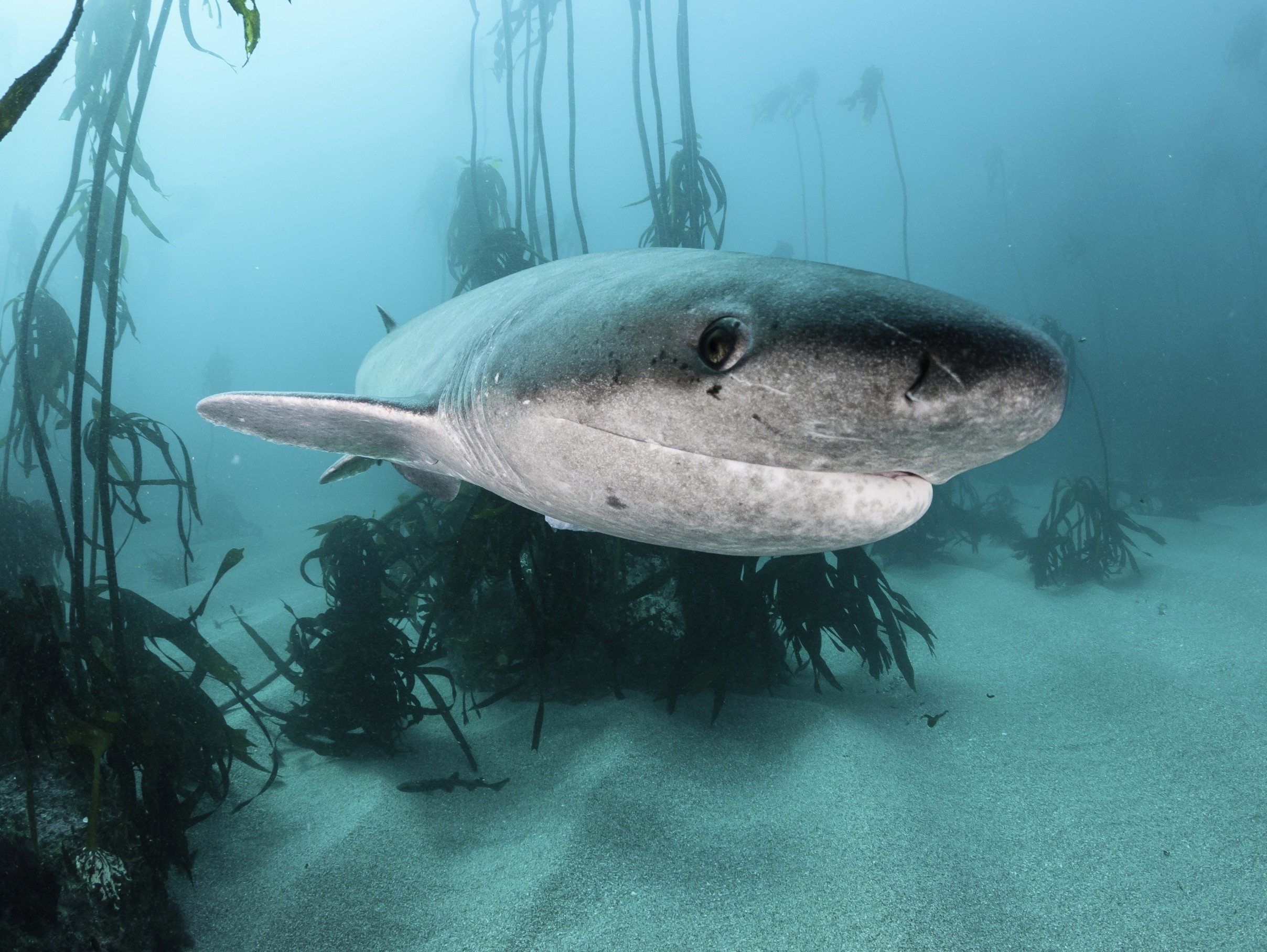
One skull, belonging to a small extinct right whale species called Balaenella brachyrhynus, showed deep grooves positioned high on the head. This pattern suggests the whale was already deceased and floating belly-up when a sixgill shark scavenged its carcass. Modern whale carcasses often exhibit this behavior, floating and rising again due to gas buildup, making belly-up scavenging a plausible scenario.
The second skull, from a young whale related to modern belugas and narwhals (Casatia sp.), presented a different story. Angled cuts across the snout indicated a more aggressive attack, with a shark clamping down and dragging its teeth sideways. Crucially, a fragment identified as belonging to Carcharodon plicatilis, an extinct relative of the great white shark, was found deep within the skull. This suggests an attempt to tear off the whale’s head, rather than simply scavenging already exposed tissue.
The feeding strategy implied by the Carcharodon plicatilis fragment is significant. Researchers believe sharks may have targeted the melon, a fat-filled organ in the forehead of toothed whales used for sound focusing. This area contains energy-rich fat and represents a structural weak point for separating the head from the body.
The North Sea five million years ago was a different environment than it is today, supporting whale and shark species that are now uncommon or absent from the region. The right whale discovered was likely less than 16 feet long, even as the beluga relative was probably under 11.5 feet in length. Despite their relatively small size, these whales provided ample fat reserves and slow movement, attracting predators.
The disappearance of these sharks from the southern North Sea is likely linked to ecological changes and a decline in suitable prey. As medium-sized whales became less abundant, the region may have lost the food source necessary to sustain large predatory sharks. While prey loss is a likely factor, researchers acknowledge that other variables may have contributed to the sharks’ departure.
The discovery is particularly noteworthy because embedded teeth are rarely preserved in fossilized bite marks. Without these fragments, paleontologists often can only confirm that a violent interaction occurred, but cannot identify the predator. “These whale skulls provide a rare glimpse into the relationship between large predators and their prey off the coast of Northern Europe 5 million years ago,” Lambert explained. Further fossil discoveries from the North Sea could reveal when these prey animals disappeared and whether the sharks followed soon after.