
Ancient Aliens & Pyramids: Why We Still Wonder Who Built the Past
Erich von Däniken, the Swiss author whose 1968 book Chariots of the Gods? popularized the idea that extraterrestrial beings influenced ancient civilizations, died in January 2026 at the age of 86. Despite his passing, the theories he espoused – that structures like the pyramids and the Nazca Lines could not have been built by ancient humans alone – continue to resonate, fueled by television programs like the History Channel’s Ancient Aliens and a persistent public fascination with the unexplained.
Von Däniken’s central argument, outlined in Chariots of the Gods?, posited that ancient monuments demonstrate a level of technological sophistication beyond the capabilities of the civilizations traditionally credited with their construction. He suggested that these achievements were, in fact, the result of contact with, or even direct intervention by, extraterrestrial visitors who were often mistaken for gods. The book, originally titled Erinnerungen an die Zukunft: Ungelöste Rätsel der Vergangenheit (Memories of the Future: Unsolved Mysteries of the Past), was extensively rewritten by its editor, Wilhelm Utermann, before publication.
The enduring appeal of von Däniken’s ideas, however, extends beyond a simple desire for answers about the past. Experts suggest that his theories emerged during a specific historical context – the Cold War, the Space Race and a period of rapid technological change – when anxieties about humanity’s future were particularly acute. As humans contemplated leaving Earth while simultaneously grappling with the potential for self-destruction, the notion of ancient astronauts offered a blend of cosmic reassurance and existential drama.
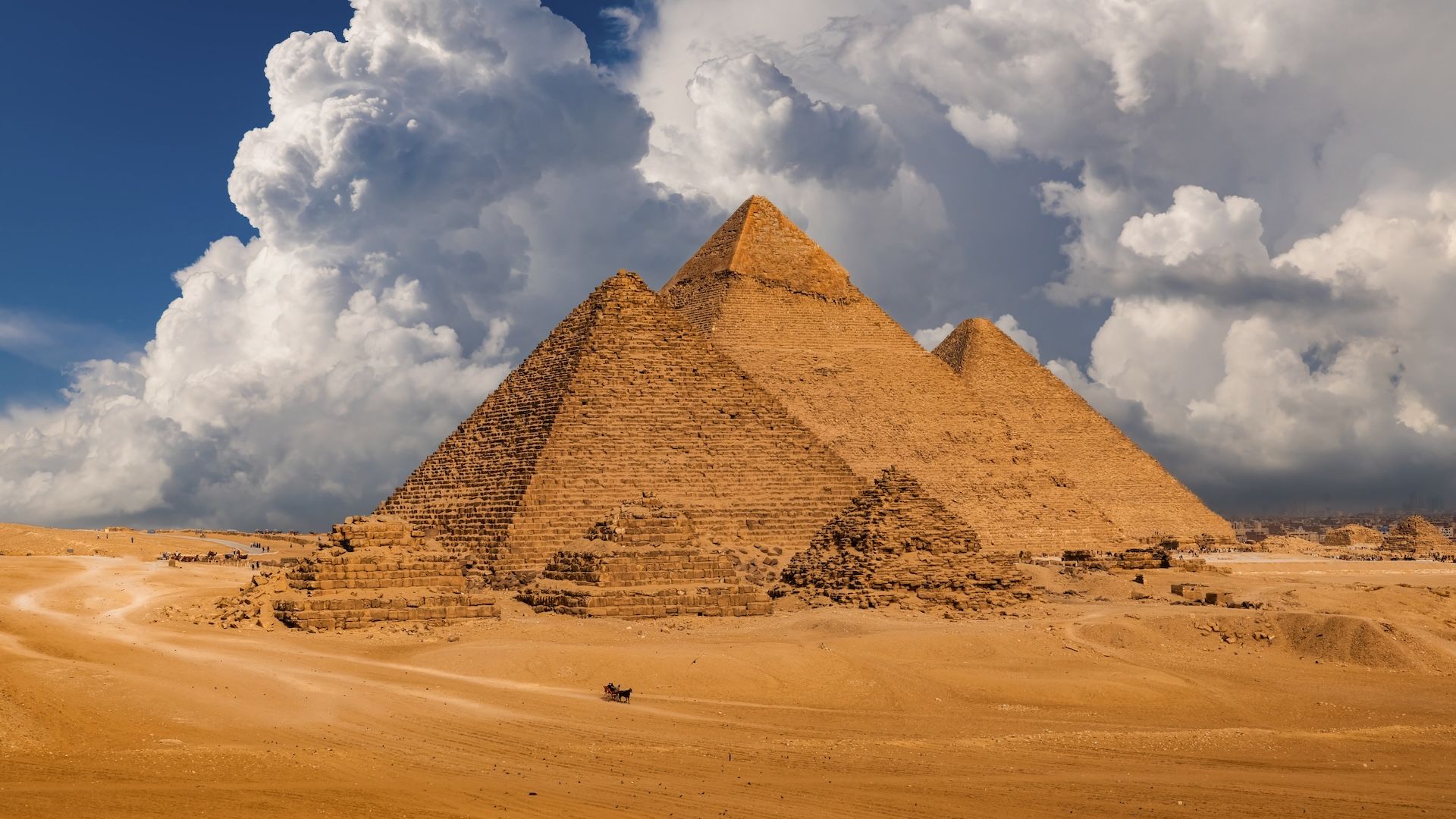
Archaeologists consistently refute the claims made in Chariots of the Gods? and similar works. At Giza, for example, archaeological evidence reveals meticulously planned worker settlements, bakeries, and organized food supply systems, demonstrating the logistical capabilities required to mobilize thousands of laborers over decades to construct the pyramids. Similarly, the monumental pillars at Göbekli Tepe in Turkey, often cited as evidence of alien intervention, are now understood to have been erected by hunter-gatherer communities millennia before the invention of writing, through coordinated labor and ritual innovation. The ruins of Troy reveal centuries of rebuilding and adaptation, not a sudden technological leap.
The discipline of archaeology operates with fragmentary evidence and complex interpretations, rarely yielding definitive conclusions. This inherent uncertainty, however, is often exploited by proponents of pseudoscientific theories who fill the perceived gaps with sensational claims. The argument often follows a pattern: a structure is deemed extraordinarily precise, therefore requiring advanced technology, and humans without modern machines could not have built it. This reasoning, however, overlooks the extensive archaeological evidence detailing the logistics, labor organization, tool assemblages, and accumulated craft knowledge that enabled ancient civilizations to achieve remarkable feats.
The popularity of these theories likewise taps into a deep psychological impulse. Where religion once provided explanations for purpose, science seeks to explain process. The “ancient astronauts” hypothesis appeals to a sense of proportionality – the intuition that extraordinary achievements must have extraordinary causes. This impulse is further amplified by distrust in established institutions, with some perceiving scientific refutation as evidence of a conspiracy to suppress “inconvenient truths.”
The economic realities surrounding the dissemination of these ideas are also significant. While scholarly archaeological work often operates with limited funding and a small readership, books and television programs promoting pseudoscientific theories generate substantial revenue. Von Däniken himself built a media empire on the back of his initial success, publishing numerous follow-up books, including The Gods Never Left Us in 2018. He acknowledged the speculative nature of his work, once stating that Chariots of the Gods? was “full of speculation – I had 238 question marks. Nobody read the question marks.”
Despite the lack of scientific evidence, surveys indicate that many people consider the possibility of extraterrestrial life plausible, if not likely. However, plausibility is not proof, and it does not constitute evidence of alien intervention in antiquity. The ongoing debate highlights the challenges of interpreting the past and the enduring human desire to find meaning in the face of the unknown.