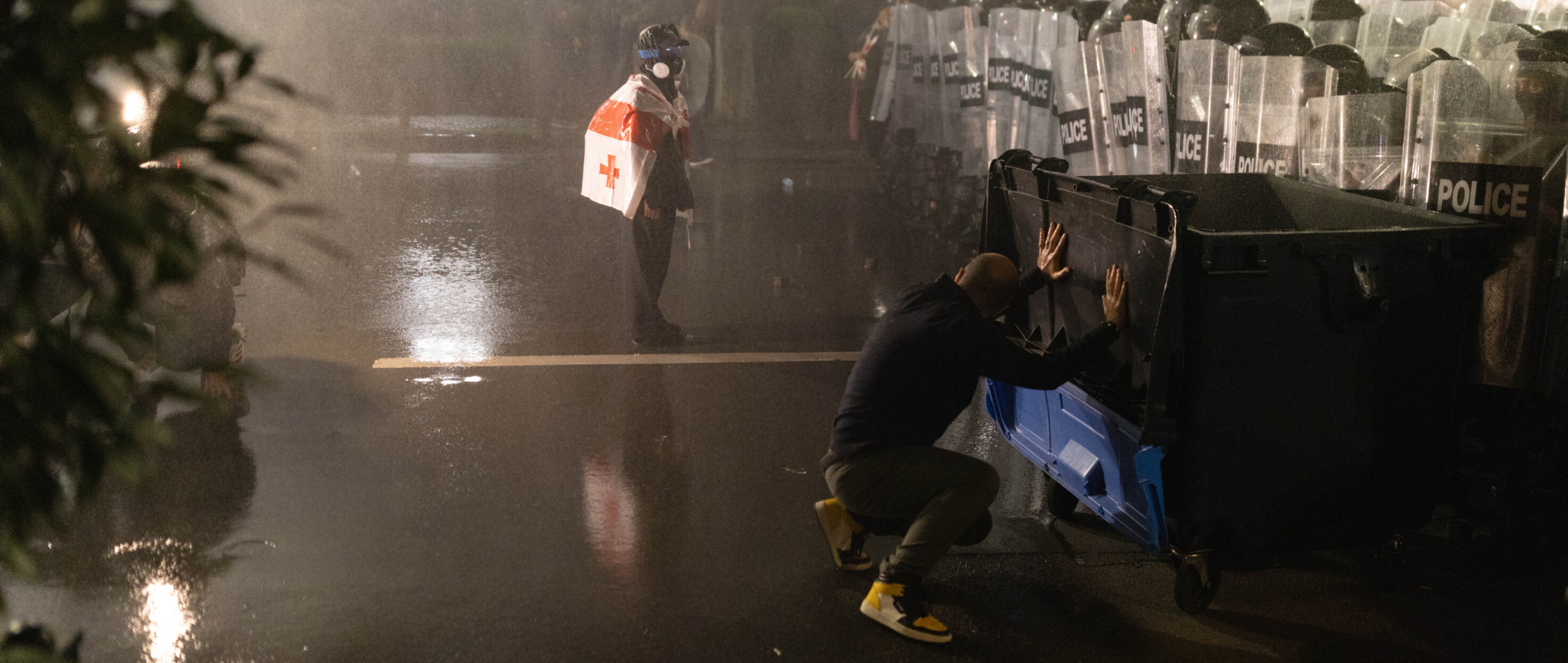
Amnesty International Warns Systemic Repression, Impunity Persist Two Years After Georgia Protests
Two years after anti-government protests erupted in Georgia following disputed parliamentary elections and the suspension of EU accession talks, human rights groups report that systemic repression and impunity remain widespread.
According to Amnesty International, the Georgian government has moved to dismantle civil society and target political opposition. Krivosheev said that artistic expression, including political satire and protest music, has faced consistent state-led pressure. Musicians have been fined, journalists detained over satirical content, and comedians assaulted in an environment Amnesty described as a "daily assault on fundamental rights and freedoms."
The legal response to the unrest has been characterized by what Amnesty International identifies as near-total impunity for state actors. While over 150 individuals remain imprisoned following trials described as politically motivated, only five low-ranking officers have been convicted of using excessive force. No command-level officials are known to have been charged in relation to the crackdown, despite more than 300 reports of torture or ill-treatment during the initial protests in late 2024.
Georgian protest developments:
- November 2024: More than 300 protesters report torture or ill-treatment during the initial state crackdown.
- November 12 and 16, 2026: Five police officers receive prison sentences of up to five years for beating specific protesters and a journalist.
- November 23, 2026: Authorities grant pardons to seven previously convicted protesters.
Reports from Amnesty International highlight that investigations into at least 167 other victims of police violence have yielded no results. Activists, including Sergi Kancheli, have alleged severe abuses such as attempted sexual violence and threats at gunpoint by police, yet no officers have faced charges in those instances.
Georgia’s EU accession talks, formally initiated with candidate status granted on 14 December 2023, faced suspension on 28 November 2024, when Prime Minister Irakli Kobakhidze delayed negotiations until end-2028, citing political dynamics. The government’s 2024 “foreign agents” legislation, requiring NGOs receiving over 20% foreign funds to register, had already caused the EU to suspend the process on 9 July 2024, escalating tensions.
The organization is calling for an independent review of all protest-related convictions and the immediate release of individuals imprisoned for exercising their fundamental rights.