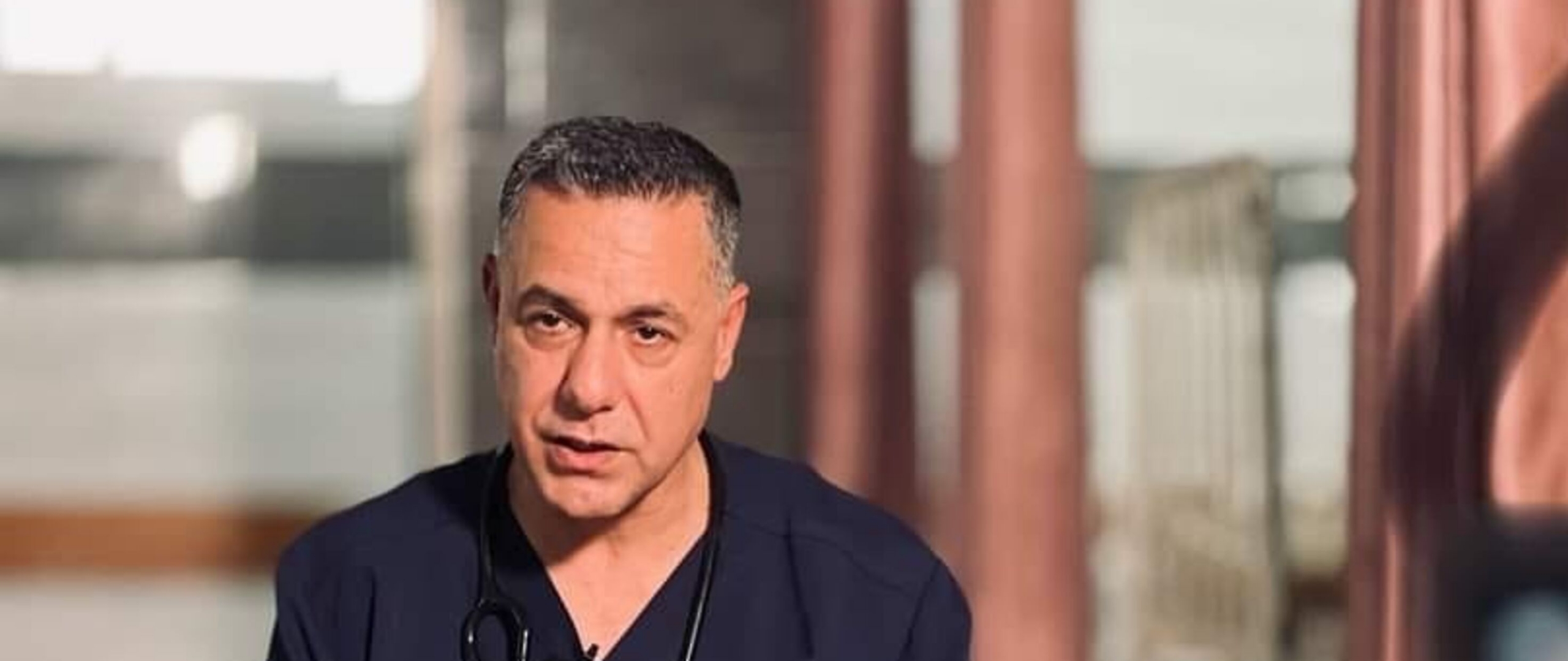
Amnesty International Demands Immediate Release of Detained Palestinian Doctor Hussam Abu Safiya
Dr. Hussam Abu Safiya, the director of Kamal Adwan Hospital in northern Gaza, remains in Israeli custody without charge or trial since his December 2024 arrest. Legal representatives and human rights organizations report he is suffering severe abuse, including torture and solitary confinement, creating an urgent risk to his life.
The Legal Limbo of the Kamal Adwan Director
Since the Israeli military raid on Kamal Adwan Hospital on December 27, 2024, Dr. Hussam Abu Safiya has been held under the designation of an “unlawful combatant.” This legal status, authorized by Israeli military law, permits the state to hold detainees from the Gaza Strip indefinitely based on classified evidence without the requirement of a formal indictment or a standard criminal trial.

The situation reached a critical point on July 2, 2026, when Nasser Odeh, a lawyer representing Physicians for Human Rights Israel (PHRI), visited Dr. Abu Safiya at the Rakevet detention facility. According to Odeh’s testimony, the physician’s physical condition has deteriorated to a life-threatening state. Odeh reported observing visible bruising and signs of torture across the doctor’s body, noting that his client appeared weak and near consciousness loss during the interaction.
The detention facility, Rakevet, is located in an underground section of the Ayalon prison complex. It was reopened for use during the current conflict after being shuttered in 1985 due to reports of inhumane conditions. Amnesty International has characterized the treatment of Dr. Abu Safiya as a violation of international humanitarian law, specifically citing the prohibition of torture and the right to due process.
Judicial Challenges and the Search for Due Process
The legal battle for Dr. Abu Safiya’s release faced a significant setback on June 16, 2026. The Israeli Supreme Court rejected an appeal filed on his behalf, effectively sanctioning his continued detention until at least October 2026.
The denial of access to independent monitors remains a central point of contention. Israel has prohibited visits by the International Committee for the Red Cross (ICRC) to Palestinian detainees since October 2023. This absence of external oversight complicates the ability of families and humanitarian groups to verify the conditions of those in custody.
The Broader Impact on Gaza’s Healthcare Infrastructure
Dr. Abu Safiya gained prominence for his outspoken criticism of the collapse of Gaza’s medical sector. His detention is viewed by human rights observers as part of a wider pattern of targeting healthcare workers in the region.

Urgent Appeals for Intervention
The family of Dr. Abu Safiya, through spokesperson and son Elias Abu Safiya, has issued a public plea to the international community. They emphasize that the doctor’s health is in a critical state and that time is a diminishing resource. The family’s statement warns that global silence may result in the loss of his life, urging immediate intervention to ensure he receives medical care and independent legal monitoring.
The case has sparked a wider conversation about the responsibility of states with diplomatic ties to Israel. Amnesty International has explicitly called for these nations to move beyond “expressions of concern” and take concrete, effective action to demand the release of civilian detainees and the restoration of fundamental rights.
As the deadline for his next potential hearing approaches in October, the situation remains fluid.