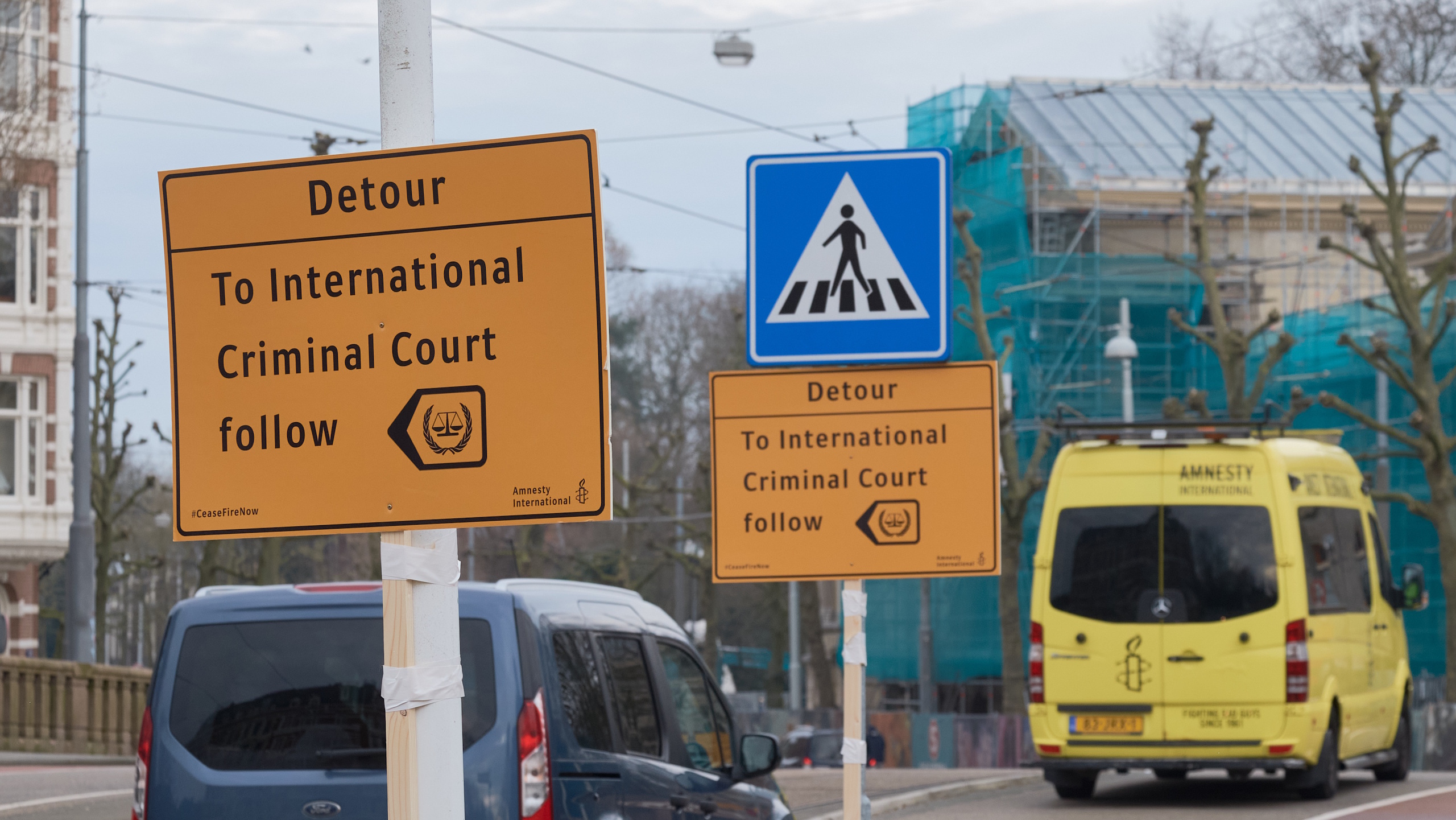
Amnesty International Condemns US Campaign to Dismantle the ICC
<>
US Secretary of State Marco Rubio has launched a systematic campaign to disable the International Criminal Court (ICC), drawing sharp condemnation from Amnesty International. The initiative includes potential sanctions, visa revocations, and diplomatic pressure to force state withdrawals, marking a significant escalation in tensions between Washington and the Hague-based tribunal.
The Mechanics of the US Campaign Against the ICC
The US State Department has formalized a strategy aimed at crippling the ICC’s operational capacity. According to official announcements, this campaign involves the threat of increased sanctions against the Court and its affiliated organizations, as well as the implementation of travel bans and visa revocations for ICC personnel. The objective, as stated by the US government, is to dismantle the Court’s ability to conduct investigations into potential war crimes.
Amnesty International Secretary General Agnès Callamard described the move as an “existential assault” on the international rules-based order, noting that the announcement occurred simultaneously with the ICC Deputy Prosecutor’s visit to Chad to meet with Sudanese victims of war crimes.
The legal stakes are high. For organizations operating across borders, the threat of US-led sanctions creates a complex risk environment. Entities that provide specialized support to international judicial bodies may now face unprecedented regulatory scrutiny.
Accountability and the Fear of Extraterritorial Prosecution
Agnès Callamard argued that the rhetoric from the State Department acts as a “tacit admission of wrongdoing,” specifically citing concerns over deportations to torture in El Salvador and extrajudicial killings in the Caribbean and Eastern Pacific.
The potential for global instability is significant. For businesses and NGOs working in conflict-affected regions, the erosion of international legal standards increases operational risk.
The Call for Global Resistance and Legislative Blocking
In response to the US announcement, international human rights organizations are urging member states to resist the campaign. The proposed strategy includes collective and unilateral pushback, with a specific focus on enacting “blocking statutes.” These legislative measures are designed to shield domestic and international entities from the reach of US sanctions, effectively neutralizing the impact of foreign intervention on ICC operations.
The reliance on state inaction has historically emboldened such campaigns, according to Amnesty International. The organization emphasizes that appeasement only serves to encourage further dismantling of the institutions designed to ensure global peace.
For individuals and institutions currently working under the jurisdiction of the ICC, the situation is evolving rapidly.
Historical Context: The Erosion of International Institutions
The current campaign is the latest in a series of challenges to international institutions established over the last 80 years.
The impact of this policy extends beyond the Hague. It affects the ability of local judicial systems to rely on international standards during domestic trials and complicates the work of investigators on the ground. As the international community weighs its response, the question remains whether the existing legal order can withstand this level of institutional pressure.
The reality of a world where the most powerful actors are granted the least legal responsibility is the primary concern for those advocating for the Court.
Ultimately, the resilience of the international justice system will be tested by the willingness of states to stand against these measures. The outcome of this confrontation will determine whether the ICC remains a viable instrument for the victims of atrocities or becomes an artifact of a bygone consensus. Justice, as it stands, is currently being renegotiated in the halls of power, leaving the victims of war crimes waiting for a resolution that may be further away than ever.
>