America’s 250th: Mamdani Calls for Unity While Trump Rewrites History
As the United States approaches its 250th anniversary in 2026, a stark ideological divide has emerged between New York Assemblyman Zohran Mamdani’s calls for inclusive national unity and Donald Trump’s efforts to redefine American historical narratives. The conflict centers on whether the Semiquincentennial should acknowledge systemic failures or promote a curated, nationalist version of the past.
The tension is not merely rhetorical. It represents a fundamental struggle over the “official” history of the United States, pitting a progressive vision of a multi-ethnic democracy against a populist movement that seeks to purge “anti-American” sentiments from public discourse. This friction manifests in local school boards, state legislatures, and the planning of federal celebrations.
How the 250th Anniversary Became a Political Battleground
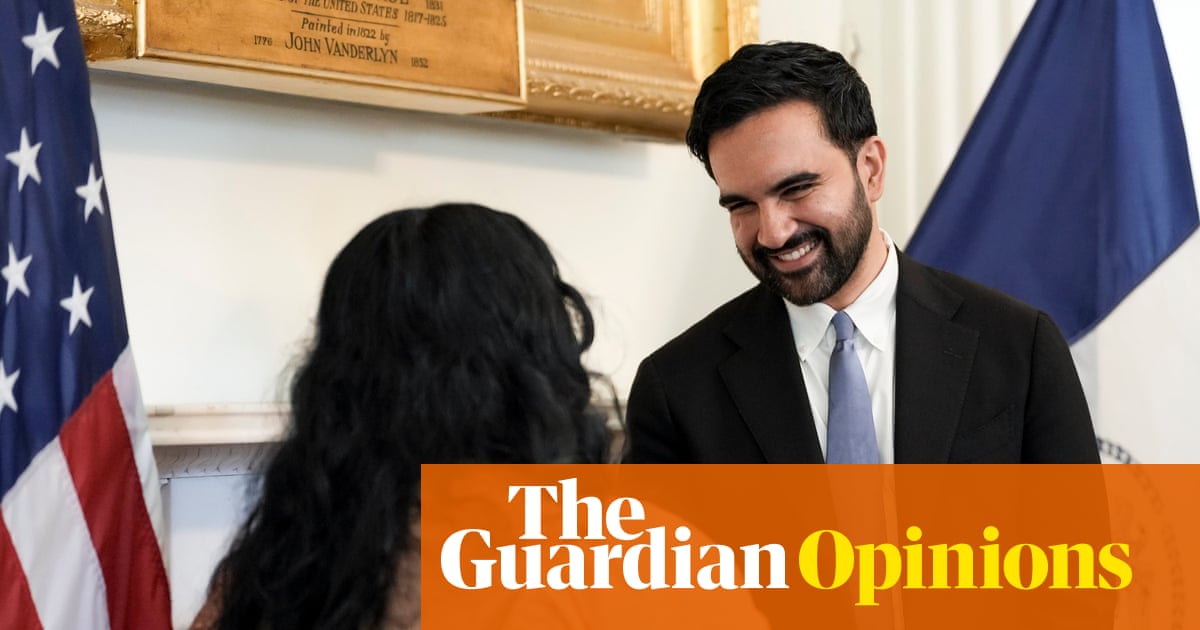
Moustafa Bayoumi reports that Assemblyman Zohran Mamdani views the upcoming anniversary as an opportunity for unity. Mamdani argues that true unity requires a transparent accounting of the nation’s history, including its contradictions and injustices. This approach aligns with a broader movement to integrate marginalized voices into the national story.
Conversely, Donald Trump has signaled a desire to “rewrite” the past. This involves framing American history as a series of triumphs while dismissing critical examinations of slavery or systemic inequality as “woke” indoctrination. The goal, according to Bayoumi, is to shift the national identity toward a more exclusionary, traditionalist framework.
This ideological clash creates a precarious environment for civic organizations. As federal and state funding for anniversary events is allocated, the criteria for “acceptable” history are being contested. Organizations managing these events often find themselves caught between opposing political pressures.
“The struggle over the 250th anniversary is not about the date; it is about who owns the narrative of the American experiment.”
The Impact on Local Governance and Education
The conflict over historical narrative is migrating from national rallies to local jurisdictions. In states like Florida and Texas, legislative efforts to restrict how race and gender are taught in schools mirror the national rhetoric of “protecting” history from revisionism. These policies often lead to legal challenges regarding the First Amendment and academic freedom.

Local municipalities face a logistical nightmare when planning public celebrations. They must balance the need for community cohesion with the reality of a deeply polarized electorate. When public monuments or historical markers are contested, cities often require the expertise of civil rights attorneys to navigate the intersection of public forum laws and community standards.
The tension is particularly acute in New York City, where Mamdani’s influence reflects a growing demand for a more intersectional approach to civic pride. The city’s diverse population serves as a microcosm for the national struggle to define what “American” means in 2026.
Comparing the Two Visions of National Identity
The divergence in approach can be broken down by the intended outcome of the celebrations:
| Mamdani/Progressive Framework | Trump/Nationalist Framework |
|---|---|
| Unity through truth and reconciliation. | Unity through shared strength and tradition. |
| Acknowledgment of systemic failures. | Emphasis on exceptionalism and victory. |
| Inclusive, multi-ethnic narrative. | Traditionalist, core-identity narrative. |
This divide is not new, but the scale of the 250th anniversary amplifies it. The National Archives and the Associated Press have documented a rising trend of “history wars” across the U.S., where the interpretation of the past is used as a proxy for current political power struggles.
What Happens to Civic Infrastructure During Ideological Shifts?
When national identity is contested, the institutions that maintain social stability—non-profits, museums, and community centers—often suffer. Funding for these entities is frequently tied to political alignment, leaving many organizations in a state of financial instability.

For many community leaders, the solution is to build independent frameworks for historical preservation. This involves partnering with non-profit management consultants to diversify funding streams and ensure that local history is not erased by shifting federal priorities.
The risk is a fragmented national memory. If one half of the country celebrates a “golden age” while the other mourns a “dark history,” the anniversary may serve to deepen the divide rather than heal it.
The Long-Term Consequences of Historical Revisionism
The effort to “rewrite” history, as Bayoumi suggests regarding Trump’s approach, has implications beyond the 2026 celebrations. It sets a precedent for how future administrations may handle official records and the education of the citizenry. This shift can lead to a decline in critical thinking and a rise in susceptibility to misinformation.
Moreover, the legal ramifications of these shifts are significant. As states pass laws restricting certain historical perspectives, the role of the judiciary becomes central. Law firms specializing in constitutional law are increasingly tasked with defending the rights of educators and students against state-mandated historical narratives.
The 250th anniversary will either be a bridge to a more inclusive future or a monument to an era of unprecedented division. The outcome depends on whether the call for unity is based on the erasure of the past or the courageous acceptance of it.
As these tensions escalate, the need for verified, professional guidance in navigating the legal and social fallout becomes paramount. Those seeking to protect their organizations or advocate for their communities can find a curated network of vetted experts through the World Today News Directory.