
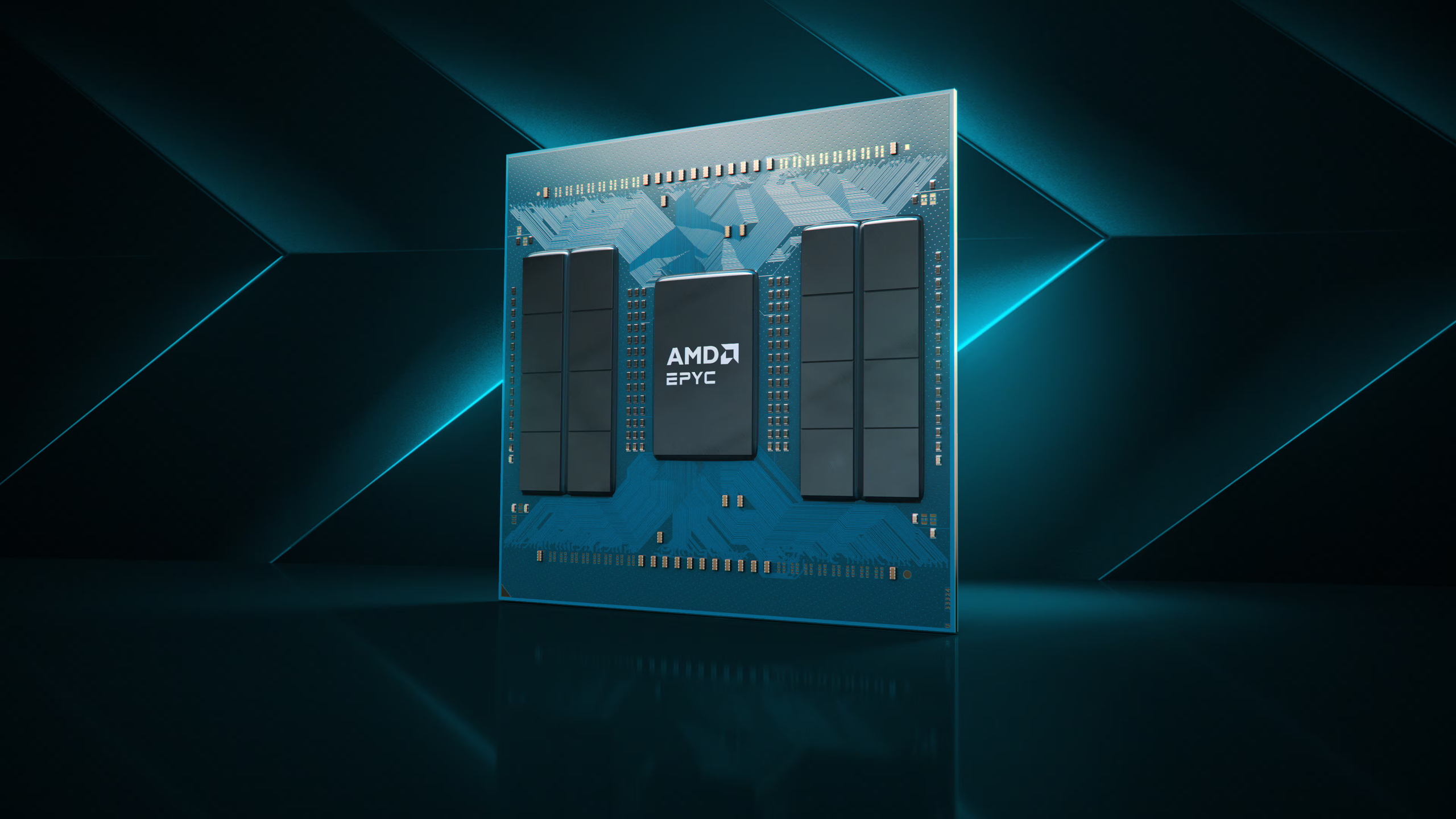
AMD Zen 6 ‘Venice’ ES chips break cover with up to 192 cores, 32 per CCD, in early stress test — Kenya, Congo, Nigeria platforms leaked
AMD Zen 6 ‘Venice’ ES Chips Leak: 192 Cores, Supply Chain Risks, and the Reality of High-Density Compute
Engineering samples of AMD’s Zen 6 architecture have surfaced on OpenBenchmark, confirming 192-core configurations across test platforms codenamed Congo, Kenya, and Nigeria. Whereas the core density signals a massive leap for hyperscale workloads, the leakage of pre-release silicon exposes critical supply chain vulnerabilities that enterprise CTOs cannot ignore.

- The Tech TL;DR:
- Architecture: Zen 6c cores packed at 32 per CCD, doubling Zen 5 density, targeting high-throughput datacenter workloads.
- Security Risk: Early ES chip leakage indicates potential supply chain integrity issues requiring immediate vendor risk assessment.
- Deployment: Expected general availability in 2027; enterprises should begin compatibility testing for SP7 socket migration now.
Hardware leaks are routine, but the granularity of this Zen 6 data changes the planning horizon for infrastructure teams. The listings reveal sample 100-000001053-03 running 192 cores across eight CCDs on the Congo platform. This isn’t just a spec bump; it represents a fundamental shift in chiplet topology. AMD is pushing 32 cores per CCD using Zen 6c dense cores, a significant departure from the 12-core CCDs rumored for standard Zen 6. This density creates thermal hotspots that demand re-evaluation of cooling infrastructure and power delivery systems.
From an operational standpoint, the appearance of these samples on public benchmarking sites suggests a breakdown in non-disclosure enforcement or physical security at partner facilities. For enterprises relying on hardware integrity, this is a signal to engage cybersecurity auditors and penetration testers who specialize in supply chain verification. The presence of engineering samples in the wild means the attack surface for hardware-level exploits expands before the product even ships.
Architectural Breakdown: Zen 5 vs. Zen 6 Leaked Specs
The shift to 32 cores per CCD implies a trade-off between single-thread performance and parallel throughput. While the leaked clock speeds peaked at 3.54GHz for a 64-core sample, the aggregate throughput potential is the real story. We compared the leaked Venice specifications against the current Turin (Zen 5) baseline to highlight the density increase.
| Specification | AMD EPYC Turin (Zen 5) | AMD EPYC Venice (Zen 6 Leaked) |
|---|---|---|
| Max Core Count | 192 Cores | 192+ Cores (ES) |
| CCD Density | 12 Cores per CCD | 32 Cores per CCD (Zen 6c) |
| Socket | SP5 | SP7 |
| Memory Bandwidth | 12-Channel DDR5 | Enhanced (Specifics TBA) |
| Platform Codenames | N/A | Congo, Kenya, Nigeria |
This density increase complicates workload placement. Kubernetes clusters tuned for Zen 5 may face scheduling latency issues on Zen 6 due to the non-uniform memory access (NUMA) domains expanding within each CCD. Developers need to validate container affinity rules early. You can inspect CPU topology on existing systems using standard CLI tools to prepare for these changes.
# Check current CPU topology and core mapping lscpu -e | grep -E "CPU|NODE" # Simulate core pinning for high-density workloads taskset -c 0-31 ./high_throughput_binary Migration planning requires more than just software tweaks. The move to the SP7 socket means physical infrastructure upgrades. Organizations should consult with managed service providers to audit current rack power and cooling limits before committing to Venice-based instances. The thermal design power (TDP) implications of packing 32 cores into a single CCD are non-trivial.
Supply Chain Integrity and Security Implications
The leak itself is a security incident. Engineering samples often lack the final microcode patches that mitigate side-channel vulnerabilities. Running unpatched ES silicon in a production environment, even for testing, introduces unacceptable risk. According to the Security Services Authority, cybersecurity audit services constitute a formal segment of the professional assurance market distinct from general IT consulting. This distinction matters when validating hardware provenance.
Enterprise security teams must treat hardware leaks as potential indicators of compromise within the vendor ecosystem. A Senior Fellow at a Tier-1 Cloud Provider noted the gravity of such leaks during a recent infrastructure summit.
“When engineering samples surface this early, it implies the supply chain perimeter is porous. We treat ES hardware as untrusted until final microcode is verified against the vendor’s signed release channel.”
This skepticism aligns with the rigorous standards expected from roles like the Director of Security positions currently opening at major AI firms. As AI workloads drive demand for high-core-count CPUs, the security of the underlying silicon becomes as critical as the model weights running on top. Organizations handling sensitive data should engage risk assessment firms to evaluate the trustworthiness of new hardware generations before deployment.
Implementation Reality Check
While the 192-core count grabs headlines, the real metric for enterprise adoption is performance per watt and stability under sustained load. The leaked OpenBenchmark results indicate multi-CPU setups on the Nigeria platform, indicating AMD is testing scalability early. Still, until official IPC (Instructions Per Clock) data is released, these core counts remain theoretical maximums.
Developers should focus on abstraction layers that decouple workloads from specific hardware generations. Utilizing containerization and orchestration tools that abstract underlying CPU flags ensures smoother transitions when Venice becomes generally available in 2027. For further technical discussion on CPU architecture trends, refer to community analysis on Ars Technica or review open-source benchmarking scripts on GitHub.
The Zen 6 leak confirms AMD’s aggressive roadmap, but it also highlights the friction between rapid innovation and supply chain security. CTOs must balance the allure of 192 cores against the operational risk of adopting bleeding-edge silicon. The directory offers vetted partners to navigate this transition without compromising security posture.
Disclaimer: The technical analyses and security protocols detailed in this article are for informational purposes only. Always consult with certified IT and cybersecurity professionals before altering enterprise networks or handling sensitive data.