
Amazonas Region addresses Cancer Care Challenges & Outlines Prevention Plan
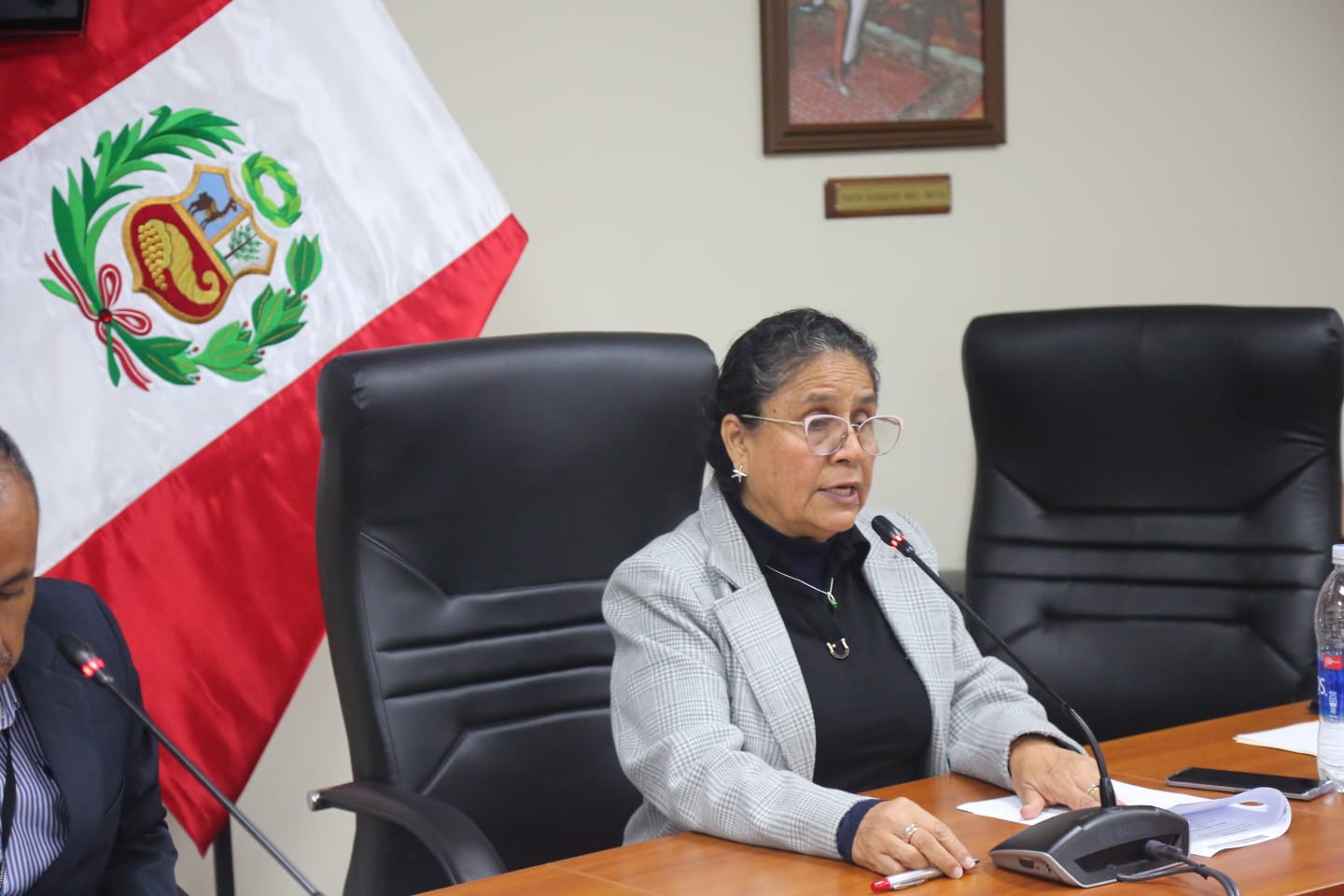
A special commission convened on Friday, led by legislator Mery Infantes Castañeda, to assess and coordinate cancer prevention and control efforts in the amazonas region of Peru. Representatives from key health institutions – including the Regional Health Directorate (Diresa) Amazonas, the ministry of Health (Minsa), the Regional Government, Virgen de Fátima Regional Hospital, EsSalud Amazonas, and the Ombudsman’s Office – presented updates on their respective initiatives.
The discussion highlighted a commitment to implementing the National Multisectoral Plan to Fight Cancer 2025-2030, with a focus on improving early detection rates and expanding access to comprehensive care. Reports detailed the most prevalent cancer types diagnosed across different age groups within the region, alongside data on diagnosis timelines and treatment initiation.
However, significant hurdles were also acknowledged. percy Silva of Diresa Amazonas emphasized a critical shortage of essential diagnostic equipment, particularly CT scanners. This lack of infrastructure forces patients to undertake arduous journeys – sometimes lasting up to eight hours – to receive necessary scans, delaying diagnosis and treatment.Concerns were also raised regarding potential budget cuts to oncology medications, which could jeopardize access to innovative therapies and disrupt ongoing care.
“Amazonas currently faces a severe lack of access to vital diagnostic tools,” Silva stated. “Reduced funding threatens both treatment availability and the quality of existing services,possibly pushing more families into poverty.”
Legislator Infantes Castañeda stressed the need for a multi-pronged approach, prioritizing preventative measures like screenings for HPV and promoting healthy lifestyles. She also called for strengthening regional healthcare infrastructure, increasing specialized personnel, ensuring medication availability, and implementing decentralized, culturally sensitive care models.
“We must improve access to high-quality care, including advanced treatments and psychosocial support,” Infantes Castañeda explained. ”strengthening national initiatives with a regional focus will be crucial for improving prevention efforts and expanding early detection of cancers like cervical, breast, colon, and skin cancer.”
The commission pledged continued monitoring of progress and a commitment to advocating for increased funding and institutional support to address the challenges facing cancer care in the Amazonas region.
