
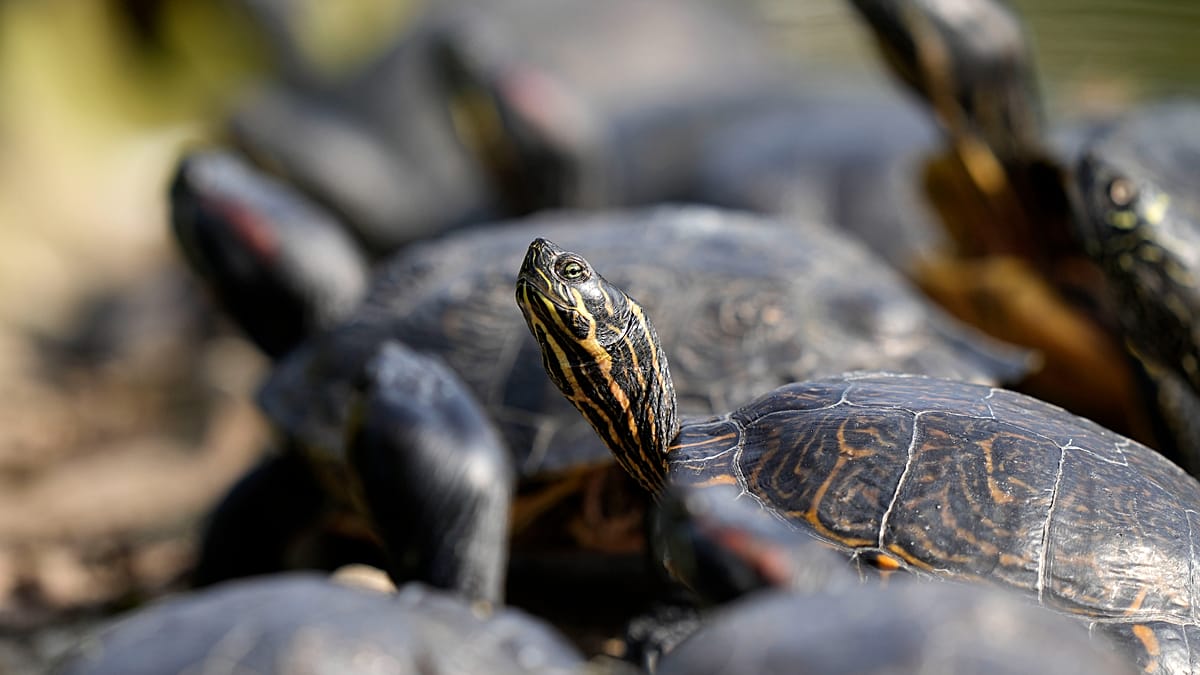
Amazon Turtle Release: 1500+ Hatchlings Saved in Rio Negro
More than 1,500 Amazonian turtle hatchlings, Podocnemis expansa, were released into the Rio Negro in Brazil on Monday, March 23rd, as part of a long-term conservation program, according to reports from both Euronews and Brussels Reporter.
The release took place in Jaú National Park, near Novo Airão, and was led by the Wildlife Conservation Society (WCS) in partnership with Brazil’s biodiversity agency ICMBio and local communities. The initiative aims to bolster the population of the species, which faces threats from habitat destruction and illegal poaching, Brussels Reporter noted.
The Podocnemis expansa is South America’s largest turtle, and is known for its complex social behaviors, including collective migration, and nesting. Recent research, as reported by Mongabay, has revealed that these turtles communicate even before hatching, potentially coordinating their emergence from eggs. However, a planned shipping waterway on the nearby Tapajós River, a tributary of the Amazon, poses a potential threat to this communication, as underwater noise from vessels could disrupt their vocalizations.
Conservationists involved in the project emphasize the importance of community involvement in ensuring the long-term success of the program. By engaging local and Indigenous communities, organizers hope to foster a sustainable approach to preserving both the turtle population and the broader Amazonian ecosystem. The WCS has been involved in similar conservation efforts for decades, working to protect vulnerable species and their habitats.
The release of the hatchlings is considered a crucial step in restoring the Amazonian turtle population, which has been declining due to environmental pressures. Experts say that such programs are key to preserving biodiversity in the Amazon region, though the impact of the Tapajós River waterway remains an open question. Monitoring of the released hatchlings will continue to assess their survival rates and adaptation to their natural habitat.