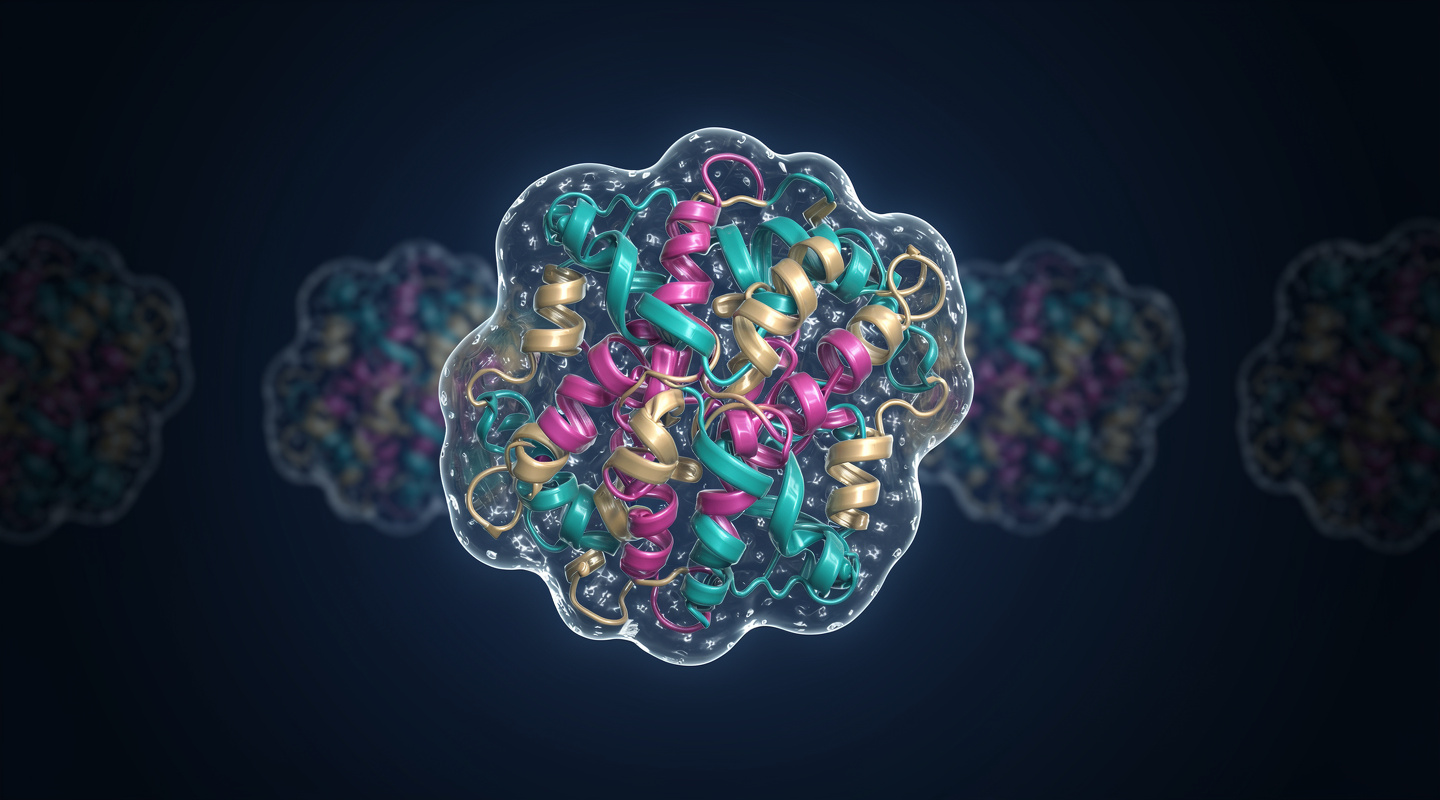
AlphaFold Database Releases Predicted 3D Structures of Viral Protein Complexes
On September 24, 2026, the AlphaFold Database released a new data set containing predicted 3D structures for more than 2,800 viral protein complexes, making molecular-level details of viral machinery freely available to researchers worldwide. Released ahead of the United Nations General Assembly high-level meeting on pandemic prevention, preparedness, and response, the expansion directly supports the international “100 Days Mission” to accelerate the development of medical countermeasures against emerging viral threats.
Key Clinical Takeaways:
- The AlphaFold Database added predicted structures for over 2,800 viral protein complexes on September 24, 2026, targeting known human-infecting virus families.
- The project involves collaboration between EMBL-EBI, Google DeepMind, NVIDIA, and other international research institutes to bolster global public health preparedness.
- While the models reveal potential molecular interactions and key targets for diagnostics and vaccines, researchers emphasize that wet-lab experimental validation remains essential.
Mapping Viral Protein Complexes for Global Health Defense
Viruses depend on intricate networks of specialized proteins to interact with human cells. By providing structural models of these protein complexes, the updated database highlights molecular surfaces that could serve as viable targets for diagnostic assays, antiviral therapeutics, and vaccine antigens. Jo McEntyre, associate director of EMBL-EBI, noted that opening access to these biological structures is crucial for understanding viral diagnostics and therapeutic development, while also lowering the technical barrier for scientists operating in resource-limited regions.
The selection of targeted pathogens was guided by the UK Health Security Agency’s priority pathogen tools. The initiative encompasses a diverse spectrum of virus families capable of infecting humans, ranging from small Picornaviridae pathogens responsible for common colds to mpox. According to analysis from the Center for Global Development cited alongside the release, the statistical probability of the world encountering another severe pandemic on the scale of COVID-19 by the year 2050 approaches 50 percent, reinforcing the clinical urgency for upstream structural biology tools.
Collaborative Infrastructure and High-Performance Compute Integration
The large-scale structural predictions were achieved by pairing structural biology frameworks with advanced computational infrastructure. The workflow utilized optimization via the NVIDIA BioNeMo Inference Runtime, effectively connecting high-performance data center computing directly with public health surveillance and preparedness efforts.
Anna Koivuniemi, head of the Google DeepMind Impact Accelerator, characterized the structural prediction of human-infecting virus families as a major milestone.
Experimental Validation Limits and Scientific Scope
Despite the scale of the database—which now houses over 260 million individual protein and complex predictions accessible via the Pandemic Preparedness Portal—scientific experts emphasize strict methodological boundaries. Structural predictions indicate how viral proteins might fold and interact, but they do not predict the precise functional consequences of genetic mutations or capture the full complexity of real-time host-pathogen dynamics.
Researchers utilizing these computational models must still verify structural hypotheses through rigorous laboratory experimentation before translating findings into clinical practice.
*Disclaimer: The information provided in this article is for educational and scientific communication purposes only and does not constitute medical advice. Always consult with a qualified healthcare provider regarding any medical condition, diagnosis, or treatment plan.*