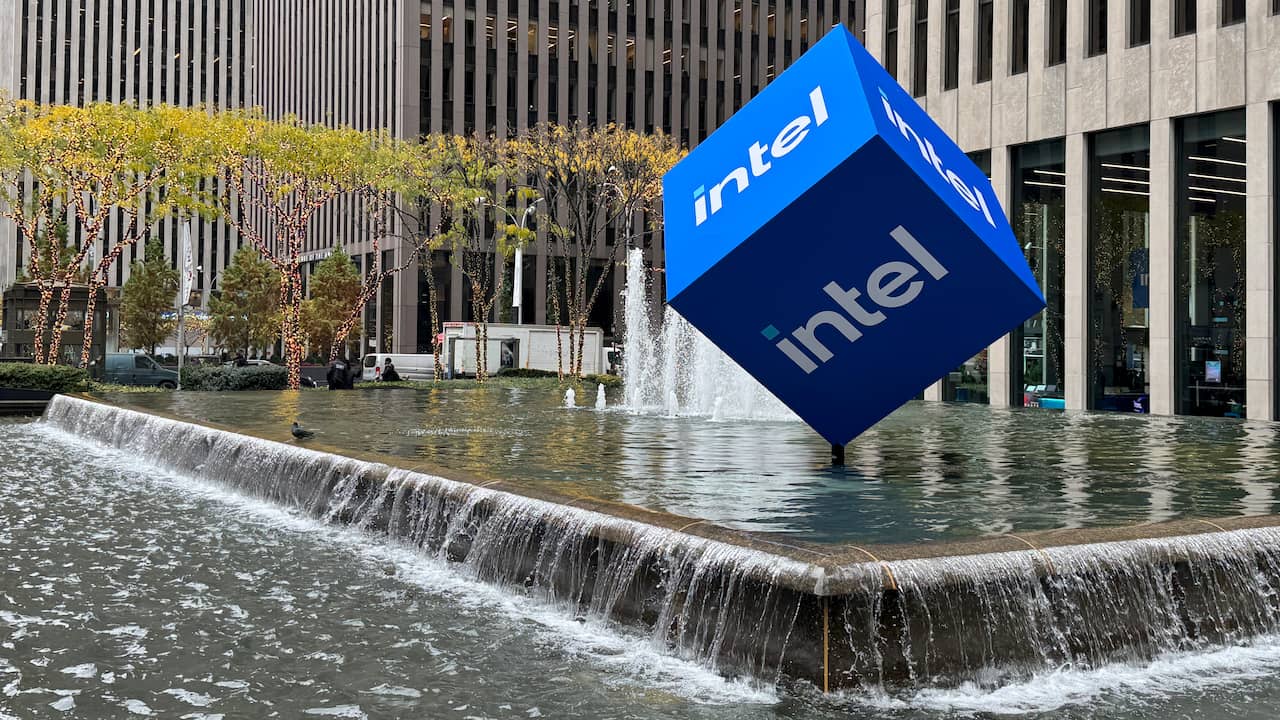
Almost 29 Percent of Intel’s Market Value Evaporated
Almost 29 percent of Intel’s market value evaporated when its stock crashed on October 30, according to nu.nl, wiping out roughly 140 miljard dollar as investors accused the chipmaker of failing to warn them about slumping sales in time.
Shareholders filed a lawsuit against the semiconductor manufacturer, claiming they paid too much for their stock because the company concealed the impact of declining personal computer sales and rising inventories. The falling demand for computer chips had reportedly been a problem for longer, yet Intel sold 23 miljard dollar in new shares as recently as August while keeping investors in the dark.
The chipmaker has been investing billions in producing server processors for data centers used in artificial intelligence. High demand for these specialized components has created industry-wide shortages, driving up prices for standard computer parts and depressing overall PC demand. Intel had previously warned about unprecedented scarcity in memory chips.
Plaintiffs in the lawsuit are demanding financial compensation, though they have not specified an exact monetary amount in their claims. Intel has not yet responded substantively to the legal action, as reported by nu.nl.
SoftBank’s stake value fluctuated sharply as Intel shares dropped from $120.23 in September to $58.13 by November 10. While the Japanese investment firm raised $7,4 miljard from its total holding financing, the lower share price reduced the remaining stake value to approximately $5,1 miljard, creating potential volatility for future stock recoveries.

Broader technology sector sell-offs have added pressure to Intel’s operations, even as the stock experienced intermittent rallies supported by positive sentiment around AI infrastructure. Market participants continue to monitor whether the company can improve cash flow and demonstrate sustained demand.
Trading conditions across the semiconductor industry are unstable as competition continues in the server processor market and industry peers exert external pressure. Intel has not yet issued a detailed defense against the specific disclosure allegations brought by the plaintiffs, and the court has not scheduled a timeline for the proceedings.