Almere at 50: Celebrating the History and Evolution of a Planned City
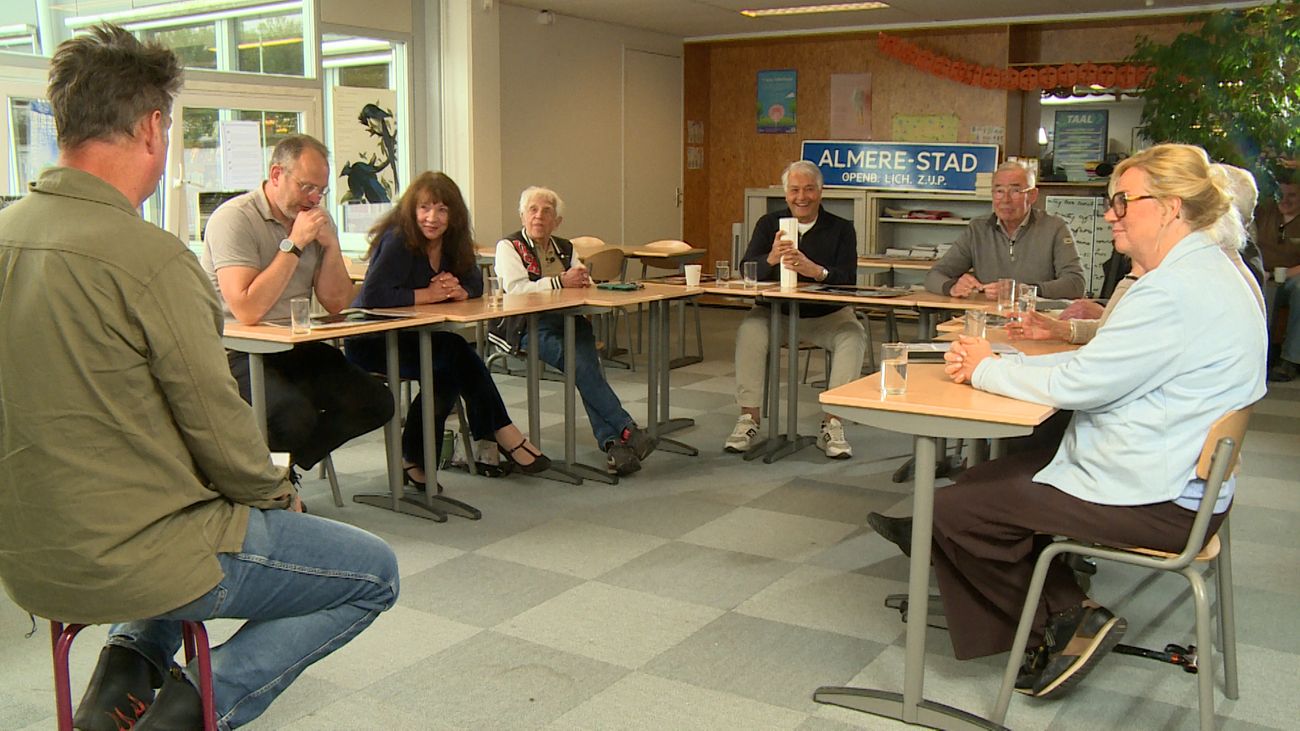
Almere marks its 50th anniversary in July 2026, prompting a sharp creative debate among early urban photographers and pioneers over how the Dutch polder city records its rapid transformation from empty marshland into a modern metropolitan area, according to regional broadcaster Omroep Flevoland.
As the summer cultural calendar accelerates heading into August 2026—featuring local exhibitions like the Almere Musea showcases on July 31 and accessible community events like Almere op Rolstoel on August 1—the city’s half-century milestone brings underlying archive and identity tensions to the surface. Local pioneers and visual artists remain sharply divided on how the municipality manages its urban history, contrasting the stark, minimalist reality faced by early settlers against the bustling built environment of today.
The Photographic Reality of an Empty Polder
Reflecting on the early days of development, local photographers grapple with the distinct visual challenge of documenting a settlement built from scratch on reclaimed land. As documented by Omroep Flevoland, artists who arrived decades ago frequently confront a central question: what is a photographer supposed to capture in an entirely empty city? Early residents note that nobody genuinely believed a major urban center would successfully rise out of the Flevoland polder, leaving visual chroniclers to record vast expanses of water, reeds, and nascent concrete foundations rather than established neighborhoods.
This stark architectural evolution turns urban documentation into a specialized exercise in municipal heritage management. When cities undergo such accelerated structural scaling, the preservation of early architectural blueprints and foundational media requires careful curation. Managing historical visual assets, public art installations, and municipal archives involves complex logistical frameworks. Cultural entities and city planners often rely on specialized teams and consultants to properly curate milestone exhibitions without erasing the gritty, unstructured reality of the city’s pioneering decades.
Divergent Views on Municipal Heritage
Fifty years on, the debate extends beyond aesthetics into how contemporary Almere treats its own historical narrative. Omroep Flevoland reports that local pioneers are deeply divided over whether current municipal strategies adequately honor the early struggles of polder life or lean too heavily into glossy modernization. While civic leaders emphasize economic expansion and modern residential infrastructure, long-term residents argue that the visceral, empty-slate grit of the 1970s and 1980s risks being lost beneath layers of corporate re-branding.
Preserving community identity during milestone celebrations requires a delicate balance between public relations and historical accuracy. Ensuring that diverse pioneer voices remain part of the official anniversary record prevents historical whitewashing and maintains trust between municipal administrations and long-standing residents.
Exhibitions and Inclusive Summer Programming
The 50th-anniversary momentum culminates in a packed regional schedule designed to bring residents together across neighborhoods and accessibility needs. The Almere Musea lineup on July 31, 2026, highlights local historical archives, offering visitors a detailed look at the polder’s engineering marvels and early architectural missteps. Immediately following, the Almere op Rolstoel event on August 1, 2026, focuses on inclusive mobility and community participation, ensuring that the city’s physical infrastructure serves all citizens equitably as the municipality enters its next half-century.
Executing public events of this civic scale demands rigorous logistical planning, crowd management, and venue compliance. Regional organizers routinely partner with certified event production agencies and municipal logistics coordination specialists to handle accessibility mandates and large-scale public safety frameworks.