
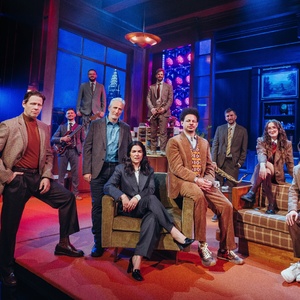
All Out: Comedy About ambition is now at the center of a structural shift involving broadway’s post‑pandemic audience economics. The immediate implication is a recalibration of ticket‑access strategies that could reshape revenue models for live‑performance venues.
The Strategic Context
Broadway has been emerging from a multi‑year disruption caused by the COVID‑19 pandemic, during which many houses closed, talent migrated to streaming, and audience confidence eroded. The sector now faces a convergence of three structural forces: (1) a rebound in discretionary spending that is uneven across income brackets,(2) heightened competition from digital entertainment platforms that have normalized on‑demand content,and (3) a labor market where creative talent commands premium compensation amid broader inflationary pressures. Producers are therefore experimenting wiht pricing and access mechanisms-such as rush tickets and digital lotteries-to broaden the audience base while preserving premium pricing for prime seats.
Core Analysis: Incentives & Constraints
Source Signals: The proclamation details a rotating 12‑week run of “All Out” at the Nederlander Theater, starring high‑profile comedians and featuring a $45 rush‑ticket program and a digital lottery for the same price. Ticket limits per person,variable seat locations,and the possibility of obstructed views are explicitly noted.
WTN Interpretation: The producers’ incentive is to maximize occupancy in a market where full‑house performances are no longer guaranteed. By pricing rush and lottery tickets at a relatively low, uniform level, they lower the barrier for price‑sensitive patrons, capture early‑day sales, and generate data on demand elasticity. The rotating cast of well‑known comedians provides a built‑in draw that mitigates the risk of a single‑star dependency. Constraints include the fixed cost structure of Broadway productions (venue lease, union wages, marketing) and the limited elasticity of high‑priced premium seats, which remain essential for profitability. Additionally, the reliance on in‑person box‑office sales for rush tickets introduces operational friction and limits scalability compared with fully digital ticketing models.
WTN Strategic Insight
“broadway’s pivot to low‑price, high‑volume access points reflects a broader cultural‑industry trend: monetizing scarcity through controlled scarcity, not by raising prices but by widening the pool of eligible consumers.”
Future Outlook: Scenario Paths & Key Indicators
Baseline Path: If consumer confidence remains stable and discretionary spending continues it’s post‑pandemic recovery, the rush‑ticket and lottery model will sustain high occupancy rates. Producers may extend the run or replicate the pricing structure for subsequent shows, reinforcing a hybrid revenue model that blends premium pricing with mass‑market access.
Risk path: Should inflation erode real disposable income or a broader economic slowdown curtail entertainment budgets, demand for even $45 tickets could soften.In that scenario, producers may be forced to raise prices, reduce the number of lottery tickets, or cut back on rotating talent, potentially triggering a decline in attendance and pressuring the financial viability of mid‑tier productions.
- Indicator 1: Monthly Broadway ticket‑sales reports (average price, sell‑through rates) for the next 3‑6 months.
- Indicator 2: Consumer confidence and discretionary‑spending indices (e.g., University of Michigan Survey, U.S.Retail Sales) aligned with the holiday season.
