
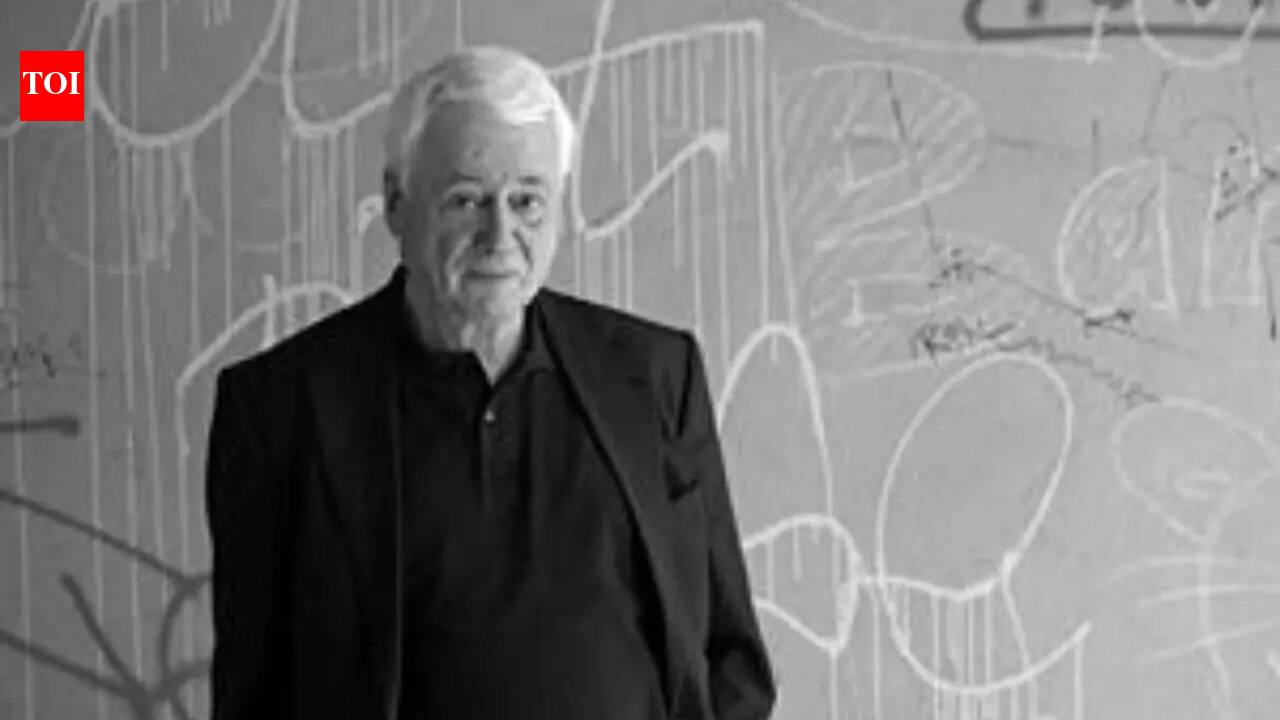
Alexander Kluge Dies at 94: New German Cinema Pioneer
Alexander Kluge: The Silence of a Cinematic Revolutionary and the IP Challenges Ahead
Alexander Kluge, a towering figure of New German Cinema and a key intellectual voice of the postwar era, has died at the age of 94 in Munich. The filmmaker, renowned for his innovative cinematic collages and politically charged narratives, twice claimed the Golden Lion at the Venice Film Festival, leaving behind a legacy that challenged conventional storytelling and profoundly influenced generations of filmmakers. His passing, confirmed by Suhrkamp publishing house, raises immediate questions about the preservation and future accessibility of his complex and often fragmented oeuvre, particularly in the age of streaming and evolving intellectual property law.
Kluge’s death isn’t simply a loss for cinephiles; it’s a stark reminder of the fragility of artistic legacies and the increasing complexities surrounding film rights and distribution. As the industry grapples with the rise of SVOD platforms and the fragmentation of viewership, ensuring the continued visibility of auteurs like Kluge requires proactive estate planning and robust IP protection. The challenge isn’t merely about preserving the films themselves, but likewise about navigating the intricate web of licensing agreements, copyright renewals and potential disputes over ownership – a landscape where specialized entertainment IP law firms are increasingly essential.
From Post-War Trauma to the Oberhausen Manifesto
Born in 1932 in Halberstadt, Kluge’s early life was indelibly marked by the devastation of World War II. He narrowly survived the Allied bombing of his hometown, an experience that profoundly shaped his worldview and informed his artistic vision. After studying law, history, and church music at Frankfurt University, where he was mentored by Theodor Adorno, Kluge turned to filmmaking, becoming a central figure in the New German Cinema movement. This movement, formalized by the 1962 Oberhausen Manifesto – a call to break free from the sentimental “tearjerkers” and nationalistic “Heimatfilme” that dominated German cinema – sought to create a more politically and artistically engaged national cinema. Kluge’s early work, like ‘Abschied von Gestern’ (released as ‘Yesterday Girl’ in the US), exemplified this spirit, employing a jarring, non-sequential narrative to explore the challenges faced by Jewish refugees returning to West Germany.
The Venice Breakthrough and a Legacy of Cinematic Innovation
‘Abschied von Gestern’ earned Kluge the Silver Lion at the Venice Film Festival in 1966, a watershed moment for German cinema on the international stage. He followed this success with ‘The Artists in the Big Top: Perplexed,’ which secured the Golden Lion in 1968. These films weren’t merely artistic triumphs; they were statements. Kluge’s style – characterized by fragmented narratives, philosophical digressions, and a willingness to experiment with form – challenged viewers to actively engage with the material and question the assumptions underlying conventional filmmaking. His work often blended fiction and documentary elements, creating a unique cinematic language that anticipated the postmodern sensibilities of later filmmakers.
“Kluge wasn’t just making films; he was conducting cinematic thought experiments. He forced audiences to confront uncomfortable truths about German history and the complexities of modern life. His influence is still felt today, particularly among filmmakers interested in pushing the boundaries of narrative and form.” – Dr. Erika Schmidt, Film Historian, University of Berlin.
The Frankfurt School and the Enduring Relevance of Critical Theory
Kluge’s intellectual roots lay firmly in the Frankfurt School of neo-Marxist cultural criticism. His films consistently grappled with themes of alienation, power, and the impact of technology on society. He wasn’t simply interested in telling stories; he was interested in analyzing the structures of power that shape our lives. This commitment to critical theory distinguishes him from many of his contemporaries and gives his work a lasting relevance in an era of increasing social and political polarization. The current debate surrounding AI-generated content and its potential impact on artistic labor, for example, echoes the concerns Kluge raised decades ago about the dehumanizing effects of technology.
Navigating the Complexities of Film Restoration and Distribution
The preservation of Kluge’s films presents a significant challenge. Many of his works are visually complex, employing experimental techniques that develop restoration demanding and expensive. The fragmented nature of his narratives and the often-obscure references within his films require careful contextualization to ensure they are understood by contemporary audiences. According to data from the FIAF (International Federation of Film Archives), the cost of restoring a single feature film can range from $50,000 to $500,000, depending on the condition of the original materials and the complexity of the restoration process. This underscores the need for sustained funding and collaborative efforts between film archives, foundations, and streaming platforms. The logistical hurdles of securing rights for international distribution, particularly for films with complex ownership histories, often require the expertise of specialized film distribution and sales agents.
The Future of Kluge’s Work in the Streaming Era
As the film industry continues to shift towards streaming, the accessibility of Kluge’s work becomes increasingly precarious. Although some of his films are available on platforms like Criterion Channel and MUBI, many remain difficult to find. The backend gross potential of his catalog is significant, but unlocking it requires a strategic approach to licensing and distribution. The rise of AI-powered content creation also raises concerns about the potential for unauthorized use of his work. Protecting his intellectual property in the digital age will require vigilant monitoring and proactive enforcement of copyright laws. The potential for deepfakes and AI-generated imitations of his style further complicates the landscape, necessitating the involvement of digital rights management (DRM) specialists.
“The challenge with auteurs like Kluge is not just preserving the films, but ensuring they remain culturally relevant. Streaming platforms have a responsibility to curate and promote these works, not just bury them in endless content libraries.” – Marcus Bellwether, Entertainment Attorney, Bellwether Legal Group.
Kluge’s passing marks the end of an era, but his legacy will endure. His films remain a powerful testament to the transformative potential of cinema and a vital contribution to our understanding of the 20th and 21st centuries. However, ensuring that his work continues to inspire and challenge audiences for generations to come requires a concerted effort to preserve, protect, and promote his artistic vision. The World Today News Directory provides a comprehensive resource for connecting with the professionals – from IP lawyers to film restoration experts – who can help navigate the complexities of preserving and distributing the work of cinematic masters like Alexander Kluge.
*Disclaimer: The views and cultural analyses presented in this article are for informational and entertainment purposes only. Information regarding legal disputes or financial data is based on available public records.*