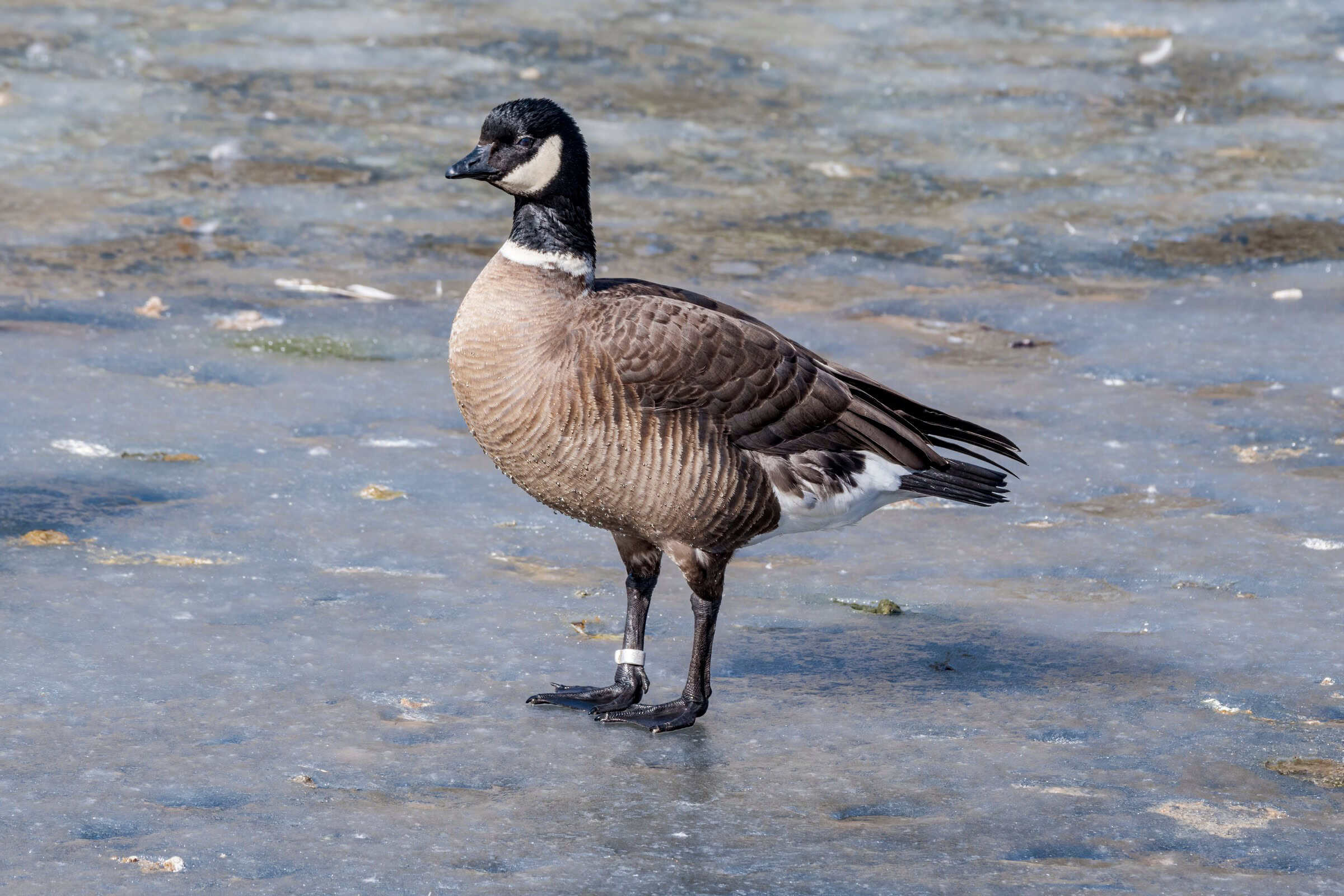
Aleutian Cackling Goose Rebounds from 790 to 233,376 After Fox Removal and Habitat Protection
The Aleutian cackling goose population has surged from 790 birds in 1975 to a winter estimate of 233,376 in 2022, according to the U.S. Fish and Wildlife Service’s 2026 Pacific Flyway Data Book, a rebound driven by the discovery of their wintering grounds and the removal of invasive foxes from Alaska’s Aleutian Islands.
Grad student found the wintering grounds
Woolington counted 790 Aleutian geese in his 1975 survey. “(Hunting closures) had to happen.”
Foxes erased the breeding colonies
On Agattu Island, the goose was termed the most abundant bird in 1906. By 1937, observers saw only a few pairs. Eggs, goslings and molting adults, which can’t fly, were all vulnerable to the foxes. Killing her removes that season’s goslings and every season she had left.

One remote island held the last wild birds
Its remoteness and rocky shoreline discouraged fur trappers from stocking it with foxes. The goose was listed as endangered on March 11, 1967.
Wild families outperformed captive releases
On Nizki Island, cleared of foxes in 1976, biologists counted zero goose nests in 1984. A 2004 survey team found 432 nests there in three days.
Population milestones and new counting methods
Direct counts reached 6,300 in 1990, the year the goose was reclassified as threatened. It came off the list in March 2001 at about 37,000 birds. Winter estimates reached 72,857 in 2003, 209,592 in 2015 and 233,376 in 2022.
Since 1996 the estimates have come from mark-resight surveys of marked geese instead of direct counts. Each year the model is refit to the full run of data, so older figures can change. Ducks Unlimited put 2022 at about 215,000, and the table now has 233,376.
| Year | Population Estimate | Status / Note |
|---|---|---|
| 1975 | 790 | Woolington survey |
| 1990 | 6,300 | Reclassified as threatened |
| 2001 | ~37,000 | Delisted |
| 2003 | 72,857 | Winter estimate |
| 2015 | 209,592 | Winter estimate (2026 Data Book) |
| 2022 | 233,376 | Winter estimate (2026 Data Book) |
Recovery creates conflict with ranchers
On Buldir, researchers returned in 2009 to plots first studied from 1974 to 1977. They found denser nests, nesting in formerly unoccupied habitat, smaller average clutches and lighter females after breeding.